
Pure Metals vs Alloys Which Should You Choose for Hardware Parts?
Pure metals help when chemistry, conductivity, and surface response matter. Alloys usually give more strength and better cost control for hardware sourcing.
Read More
Pure metals help when chemistry, conductivity, and surface response matter. Alloys usually give more strength and better cost control for hardware sourcing.
Read More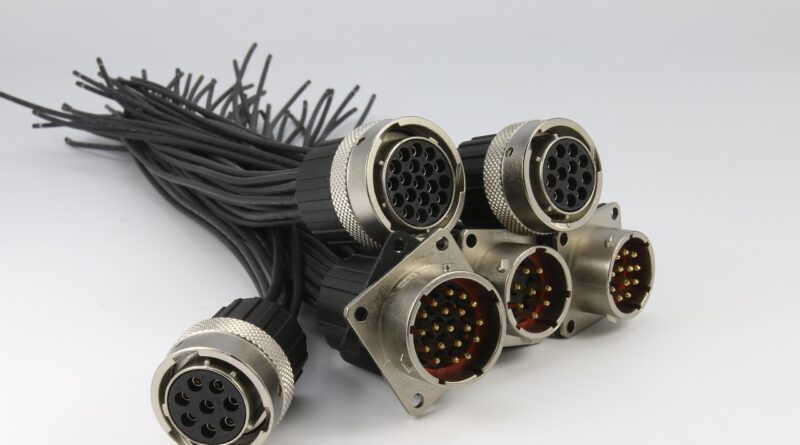
A practical buying guide for air and water valves and fittings, covering materials, threads, leak control, certifications, testing, and export order checks.
Read More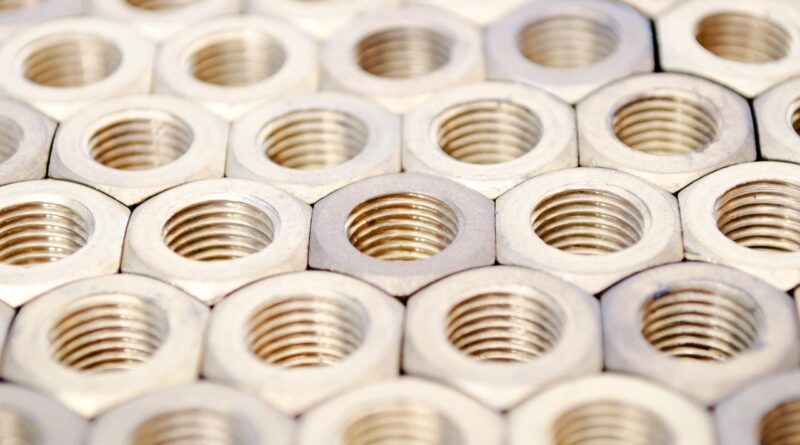
A straight trade guide to choosing bolts & fasteners by type, material, grade, finish, thread, and buying documents for industrial work.
Read More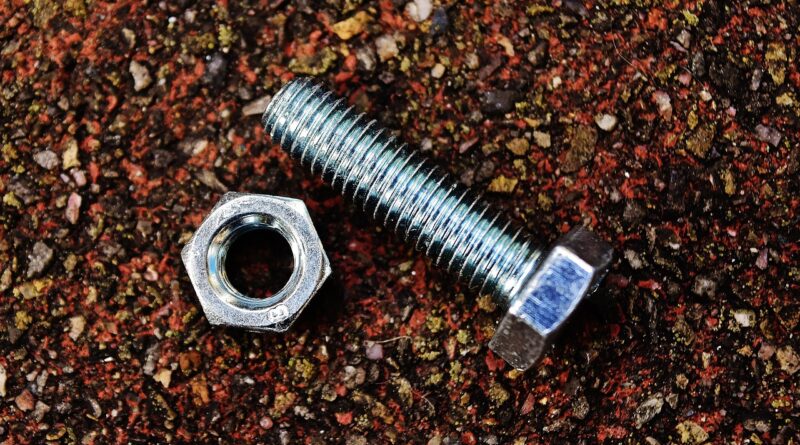
A shop-floor guide to t bolts, with notes on slot fit, thread size, grades, materials, finishes, and buying checks for industrial work.
Read More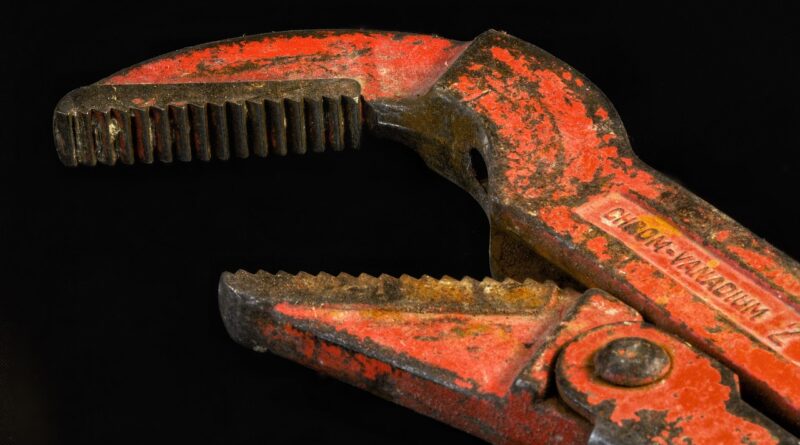
A plain buying guide to Kobalt power tools, covering battery platforms, kit value, safety checks, and where the brand fits against pro-grade options.
Read More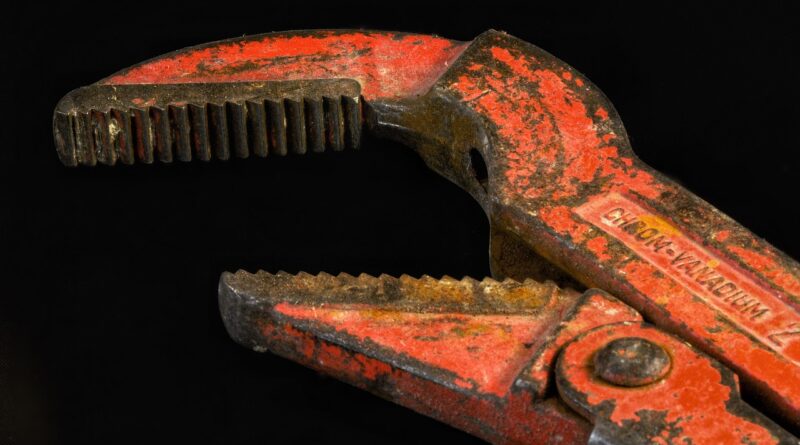
A field-based look at Ridgid power tools, including the 18V battery platform, Lifetime Service Agreement, jobsite safety, buying checks, and tool care.
Read More
Ferrous metals start with iron, but grade, surface, and service conditions decide how well they work. This guide compares steel, cast iron, stainless steel, and other iron based options for buying and fabrication decisions.
Read More
A practical guide to high quality laser surfaces for metal parts, covering cleaning, texturing, polishing, measurement, defects, and safety.
Read More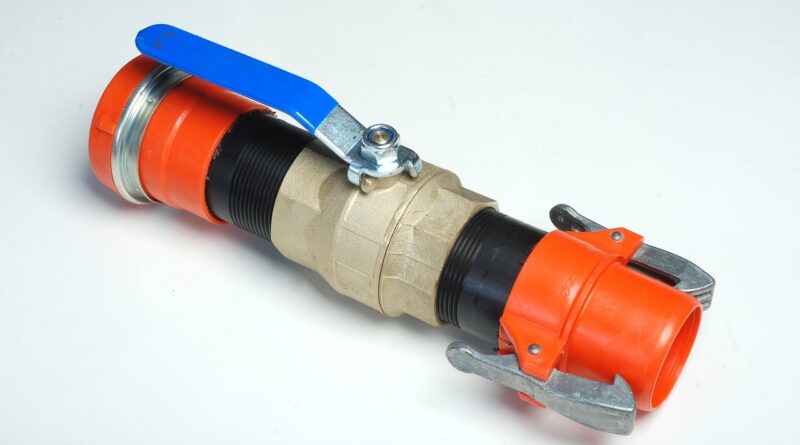
A field-based guide for selecting PVC valves and fittings for water supply, irrigation, pool plumbing, and light industrial piping, including notes on standards, pressure, temperature, media, and sourcing checks.
Read More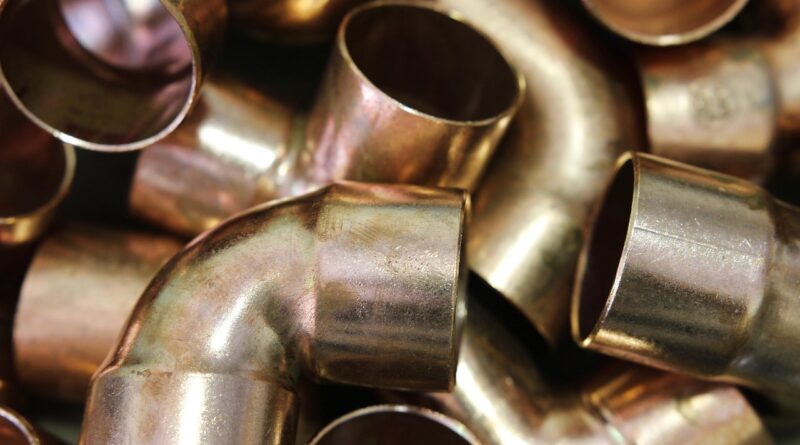
A field-based look at SharkBite plumbing fittings, with code notes, installation points, common uses, and buying checks for trade and wholesale teams.
Read More