
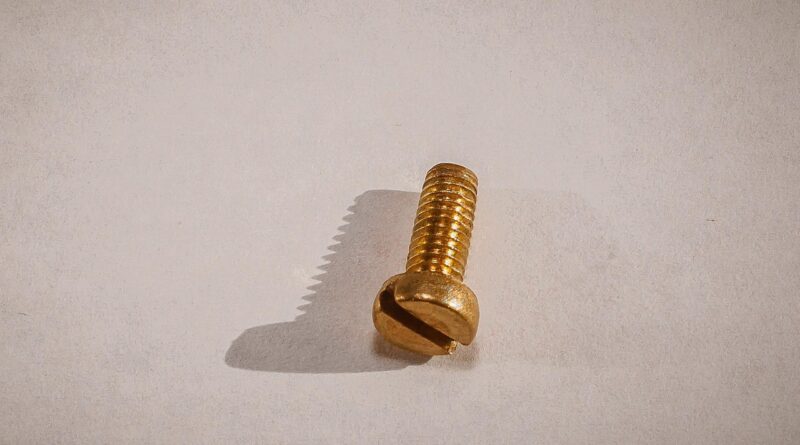
How to choose brass bolts for corrosion resistance and conductivity
What brass bolts are used for
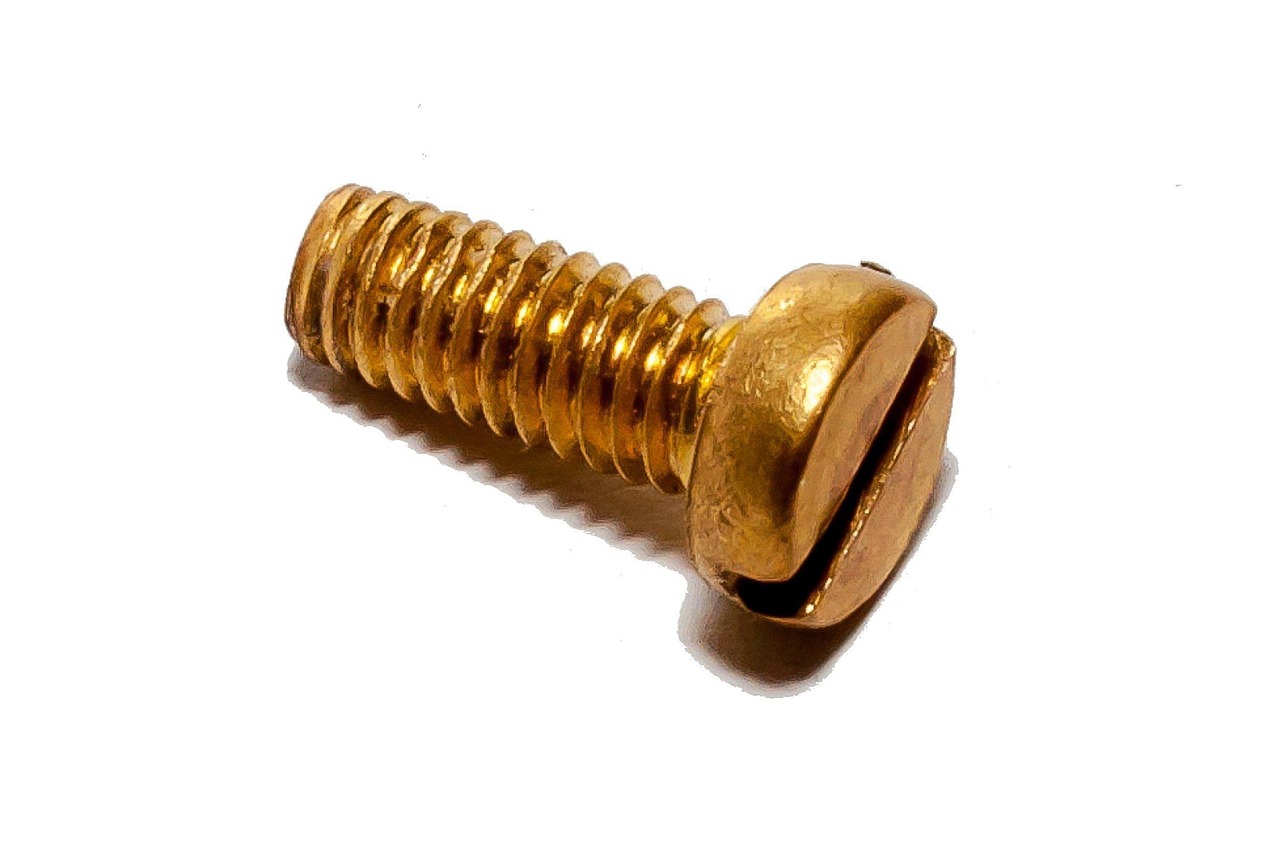
Brass bolts are externally threaded fasteners made from copper-zinc alloys rather than carbon steel or stainless steel. They are commonly specified when a joint needs moderate corrosion resistance, electrical conductivity, nonmagnetic behavior, a decorative finish, or clean machinability. They are not direct substitutes for high-strength structural steel bolts. In most designs, the practical question is not whether brass is “better” than steel, but whether the service environment, load, mating metals, and installation method match the brass alloy being specified.
For buyers, engineers, and maintenance teams, brass bolts occupy a useful middle ground. They tolerate many indoor and mildly damp conditions better than plain carbon steel, machine more easily than many stainless steels, and conduct electricity better than steel. The trade-off is that brass is softer than most structural bolting materials, so torque control, thread engagement, and galvanic compatibility need closer attention.
For broader fastener context, see the Bolts & Fasteners section.
Why brass behaves differently from steel or stainless steel
Brass is not one fixed material. It is a family of copper-zinc alloys, sometimes modified with small additions of other elements to improve machinability, corrosion behavior, or strength. The International Copper Association describes brass as a generic term for copper-zinc alloys with varying combinations of strength, machinability, ductility, wear resistance, hardness, color, conductivity, and corrosion resistance. That range matters because two brass bolts can look similar while performing differently in service.
The main practical differences come from four material characteristics:
- Corrosion behavior: Brass resists many atmospheric conditions better than uncoated carbon steel, but it can tarnish and may suffer dezincification in unsuitable environments.
- Electrical and thermal conductivity: Brass conducts better than steel, which is why brass hardware is used in electrical equipment, bonding points, terminals, and instrument assemblies.
- Machinability: Some brasses, especially free-machining grades, can be turned, threaded, and formed efficiently. This supports clean threads and consistent small components.
- Mechanical limits: Brass is generally not selected for high-preload structural joints where alloy steel bolts, stainless steel bolts, or engineered fastener grades are required.
Because of these properties, brass bolts are often selected for functional reasons, not just appearance. Typical uses include electrical panels, marine-adjacent hardware, plumbing-related assemblies, decorative architectural details, musical or instrument equipment, and light mechanical connections where the load is controlled.
Common applications and where brass bolts make sense
Brass bolts make the most sense when the fastener contributes to durability, conductivity, or assembly quality rather than maximum tensile capacity. Common applications include:
- Electrical equipment: Brass is used for terminals, busbar connections, grounding accessories, and panel hardware where conductivity and nonmagnetic behavior may matter.
- Decorative and architectural assemblies: The yellow-gold color of brass suits visible fixtures, restoration work, signage, furniture, and interior hardware.
- Light-duty marine or outdoor-adjacent uses: Brass can perform well in some damp or atmospheric conditions, but the exact alloy and exposure determine whether it is appropriate.
- Instrumentation and precision assemblies: Brass is easy to machine and can be suitable where clean threads, small sizes, and dimensional consistency are important.
- Plumbing-related hardware: Brass is common in plumbing components, but bolts or screws that contact potable water require additional material and regulatory checks.
Brass bolts are less suitable when the design depends on high clamp load, high fatigue resistance, elevated-temperature strength, or severe corrosion exposure. In those cases, stainless steel, silicon bronze, coated alloy steel, or a specialized copper alloy may be a better option.
Strength, thread behavior, and installation limits
A common selection error is treating a brass bolt like a steel bolt of the same diameter. Diameter and thread pitch do not define strength by themselves. Material grade, alloy, manufacturing method, thread form, and heat treatment all affect the safe working load.
ASTM F468/F468M is a key specification for nonferrous bolts, hex cap screws, socket head cap screws, and studs for general use. It helps define material and mechanical requirements for covered nonferrous fasteners. However, dimensional standards, project drawings, and application-specific requirements may still control head style, thread class, length, and inspection criteria. In practice, a purchasing specification should identify both the material requirement and the dimensional requirement.
Installation torque also needs care. Brass threads are softer than hardened steel threads and can strip, smear, or deform if tightened aggressively. The risk increases with short thread engagement, small diameters, dry assembly, damaged mating threads, or repeated removal and reinstallation. A conservative installation plan should include:
- matching the bolt with a compatible brass or specified nut material;
- using adequate thread engagement for the load;
- using flat washers where needed to spread bearing stress;
- avoiding uncontrolled impact tightening;
- confirming torque values from the fastener supplier, design standard, or tested assembly rather than copying steel-bolt torque tables.
For vibration-prone joints, do not rely on softness alone to keep the joint secure. Mechanical locking features, prevailing-torque nuts, threadlocking compounds, or design changes may be needed, depending on temperature, service access, and whether the assembly must conduct electricity.
Corrosion risks that matter in real installations
Brass has a useful reputation for corrosion resistance, but that reputation needs qualification. In dry indoor service or moderate atmospheric exposure, brass can be durable and visually acceptable. In aggressive water chemistry, stagnant moisture, acidic conditions, high chlorides, or ammonia-containing environments, performance can be very different.
One important failure mode is dezincification. In this form of corrosion, zinc is selectively leached from the brass, leaving a weakened copper-rich structure. Copper Development Association materials describe dezincification as a concern in certain submerged or stagnant conditions, especially where the chemistry is unfavorable. This is why valves, fittings, and water-contact components may specify dezincification-resistant brass rather than ordinary free-machining brass.
Stress corrosion cracking is another concern. Brass can be vulnerable in environments containing ammonia or ammoniacal compounds, particularly when tensile stress is present. That stress may come from tightening, forming, residual manufacturing stress, or service loading. If brass fasteners will be used around cleaners, fertilizers, refrigeration equipment, animal facilities, or chemical processes, the environment should be checked before selection.
Galvanic corrosion also deserves attention. Brass is a copper alloy and is generally more noble than zinc, aluminum, and many steels. In a wet joint that electrically connects dissimilar metals, the less noble metal may corrode faster. The risk depends on the electrolyte, exposed surface area, coating condition, and drainage. A small steel or aluminum part connected to a large brass surface in a wet environment can be more vulnerable than the reverse area ratio. See also: Fittings & Valves.
| Selection factor | Why it matters | Practical check |
|---|---|---|
| Moisture exposure | Wet joints raise corrosion and galvanic risk | Check drainage, sealing, coatings, and inspection access |
| Water chemistry | Stagnant or aggressive water can promote dezincification | Consider dezincification-resistant brass or another alloy |
| Mating metal | Dissimilar metals can create a galvanic couple | Use compatible metals, barriers, insulating washers, or coatings |
| Load and preload | Brass is not a high-strength structural bolting material | Verify allowable loads and torque from qualified sources |
| Electrical function | Conductivity depends on contact quality, not material alone | Control surface finish, cleanliness, washer type, and joint pressure |
Brass bolts compared with bronze, stainless steel, and plated steel
Material choice often comes down to comparing several fastener options. Brass is only one of them.
Brass versus stainless steel: Stainless steel is usually selected for stronger corrosion resistance and better mechanical strength than ordinary brass fasteners. It is common in outdoor, food equipment, chemical, and marine-adjacent applications. Brass may be preferred when electrical conductivity, appearance, nonmagnetic behavior, or machinability are more important than strength. Stainless steel can also gall in some threaded assemblies, so installation method still matters.
Brass versus silicon bronze: Silicon bronze is a copper alloy often used where corrosion resistance is important, including marine and exterior hardware. It is typically more expensive than common brass but may be more durable in harsher environments. If the application involves salt spray, boat hardware, or long-term exterior exposure, bronze should be evaluated instead of assuming brass is sufficient.
Brass versus plated carbon steel: Zinc-plated or coated steel bolts often provide higher strength at lower cost. However, once coatings are damaged, steel can rust. Brass may be more attractive for visible parts and may avoid red rust, but it cannot match steel strength in structural applications.
Brass versus aluminum: Aluminum fasteners are lightweight and corrosion resistant in many settings, but they have their own galvanic concerns and lower strength limits. Brass is heavier and more conductive, and it may be preferred in electrical or decorative assemblies.
What to specify before ordering brass bolts
A clear specification reduces the chance of receiving a part that looks correct but fails in the application. “Brass bolt” alone is usually not enough. A useful purchase order or drawing note should define the important requirements.
- Alloy or UNS designation: Identify the brass alloy when performance matters. Do not rely only on color or a generic material label.
- Standard or property requirement: Reference applicable standards such as ASTM F468/F468M when relevant, along with any project-specific mechanical or chemical requirements.
- Thread system: Define UNC, UNF, metric, or another thread form, plus diameter, pitch, thread length, and class of fit.
- Head style and drive: Specify hex head, socket head, carriage head, machine screw style, or other geometry as required by the joint.
- Length and grip: Confirm whether the joint needs a fully threaded bolt or a shank under the head.
- Mating nut and washer materials: Select compatible materials to reduce the risk of thread damage or galvanic problems.
- Finish and appearance: State whether natural brass, polished brass, lacquered brass, or another finish is required.
- Environment: Note water exposure, chemical exposure, temperature, outdoor use, or potable-water contact.
- Traceability: Request test reports or certificates when the fastener is safety-related or specification-controlled.
Lead content is another detail that should not be overlooked. Some free-machining brasses use lead to improve machinability. That may be acceptable for many industrial uses, but it can be restricted in drinking-water contact, food equipment, certain consumer products, or regulated markets. If the bolt touches potable water or a regulated product surface, confirm the applicable lead-content rules and approved alloy before ordering.
Frequently asked questions
Are brass bolts strong enough for structural use?
Usually not for primary structural connections. Brass bolts can be suitable for light mechanical, electrical, decorative, and instrument assemblies, but high-load structural joints normally require fasteners with specified steel, stainless steel, or engineered alloy strength grades. The design should be checked against actual mechanical requirements, not appearance or diameter alone.
Do brass bolts rust?
Brass does not form red iron rust because it is a copper-zinc alloy rather than iron-based steel. It can still tarnish, darken, pit, dezincify, or crack in unsuitable environments. Saying brass “does not rust” is technically incomplete; the better approach is to evaluate the expected corrosion mode for the service condition.
Can brass bolts be used outdoors?
They can be used outdoors in some mild exposures, especially for decorative or light-duty assemblies, but outdoor use should account for rain, trapped moisture, pollution, salt, and contact with other metals. For salt spray, marine hardware, or long service life with limited maintenance, silicon bronze or stainless steel may be a better starting point.
Are brass bolts good for electrical connections?
Brass can be useful in electrical assemblies because it is conductive and nonmagnetic, but the fastener material alone does not guarantee a reliable electrical joint. Surface cleanliness, contact pressure, washer choice, oxidation, vibration, and torque control all affect electrical performance.
Should brass bolts be lubricated before tightening?
Lubrication can reduce thread friction and help prevent damage, but it also changes the relationship between torque and clamp load. Use lubrication only when it is compatible with the electrical, chemical, temperature, and cleanliness requirements of the assembly, and base torque on the specified condition.
Selection takeaway
Brass bolts are valuable when the design needs conductivity, moderate corrosion resistance, nonmagnetic behavior, machinability, or a decorative finish. They are not universal replacements for steel or stainless steel bolts. The safest approach is to define the alloy, standard, thread, dimensions, load requirement, mating materials, and exposure conditions before purchase. When corrosion or strength is critical, compare brass against stainless steel, silicon bronze, and coated steel rather than selecting by appearance alone.


