

Wood bolts explained for timber connections and outdoor framing
What wood bolts are and when they make sense
Wood bolts are metal fasteners used to clamp, anchor or connect wood members. In buying and jobsite language, the term may refer to through bolts, timber bolts, carriage bolts, lag screws and anchor bolts used with lumber, beams, posts, decks, fences, docks and timber framing. The correct choice depends on the connection, not just the name: wood-to-wood, wood-to-steel, wood-to-concrete, indoor furniture, outdoor framing or engineered structural work.
For critical structures, wood bolts should be selected from the drawings, local code or an engineer’s specification rather than by appearance alone. The USDA Forest Products Laboratory notes that fastening design must account for wood strength along and across the grain and for movement caused by moisture changes. (research.fs.usda.gov)
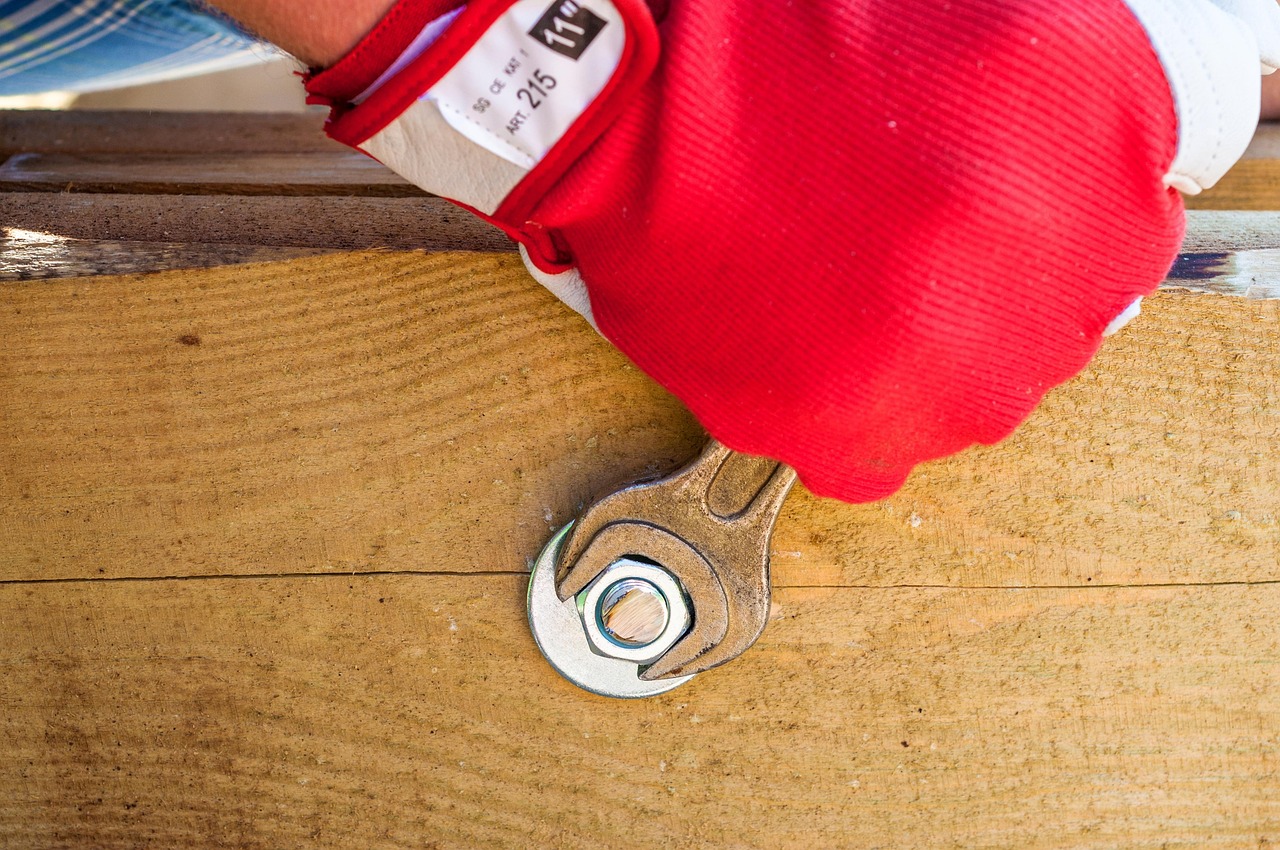
For readers comparing fastener options, the broader bolts and fasteners category is the best starting point. Wood applications need extra care because wood is not a uniform metal plate. It can split, crush under a washer, shrink after installation and react differently when treated with preservatives.
Common types of wood bolts and related fasteners
The term wood bolts is broad, so it is more useful to separate these fasteners by how they transfer load and how they are installed.
| Fastener type | Typical use | Key selection point |
|---|---|---|
| Through bolt | Wood-to-wood or wood-to-steel joints where the fastener passes completely through the members | Requires a nut, washers and properly aligned drilled holes |
| Timber bolt | Heavy wood and marine-style connections where a large low-profile head is useful | Oversized dome head and anti-rotation fins help the head seat in timber |
| Carriage bolt | General wood assemblies, gates, furniture, brackets and exposed smooth-head applications | Square neck under the head resists turning in wood when tightened |
| Lag screw or lag bolt | Connections where access to the back side is limited | Threads into a lead hole instead of using a nut on the opposite side |
| Anchor bolt | Attaching wood sill plates or posts to concrete or masonry | Embedment, spacing and washer details are usually code- or design-driven |
A timber bolt is a specific product, while wood bolt is a general phrase. Portland Bolt describes timber bolts as large round-headed fasteners with an oversized dome head and nubs or fins beneath the head to keep the bolt from turning while the nut is tightened. The same source lists common manufactured diameters from 1/2 in. through 1-1/2 in., although stocked sizes vary by supplier and project specification. (portlandbolt.com)
Lag screws are often called lag bolts in trade language, but they do not work like through bolts. A lag screw depends on thread engagement in the wood member, so lead-hole size, penetration depth and wood species matter. A through bolt clamps members together with a nut and washer, and it is usually easier to inspect because the fastener passes through the full assembly.
How to choose diameter, length, grade and finish
Start with the connection requirements, not the fastener bin. Diameter affects bearing area in the wood and shear capacity of the steel. Length must cover member thickness, washers, nuts and enough thread engagement without putting excessive unthreaded shank or thread in the wrong place. In structural work, the bolt grade and design values should match the plans or the governing design standard.
ASTM A307 is a common specification for carbon steel bolts and studs in general applications. ASTM’s scope for A307 covers bolts and studs from 1/4 in. through 4 in., and Grade A is described as having a minimum tensile strength of 60 ksi for general applications. This does not mean every wood connection should use A307. It means A307 is a familiar baseline when a project calls for general-purpose carbon steel bolts rather than high-strength structural bolting. (store.astm.org)
Finish is as important as strength in exterior wood. Plain steel can corrode quickly outdoors or in contact with preservative-treated wood. Zinc plating may be acceptable for dry indoor work, but exterior decks, docks, fences, retaining structures and treated lumber often require hot-dip galvanized, stainless steel or another corrosion-resistant system. The American Wood Council advises users to follow treating-industry and chemical-manufacturer recommendations for corrosion-resistant or galvanized fasteners when using commonly available preservative-treated wood. (awc.org)
Stainless steel is often the conservative choice for coastal exposure, high moisture, certain treated woods and projects where fastener replacement would be difficult. Hot-dip galvanized steel is widely used in exterior framing, but the coating system should be compatible with the connector, washer and nut. Mixing metals without checking compatibility can create galvanic corrosion, especially where moisture is present.
Installation details that affect holding power
Many problems blamed on wood bolts start with detailing or installation. The American Wood Council’s 2024 National Design Specification for Wood Construction was approved as an ANSI standard on October 16, 2023 and is referenced by the 2024 International Building Code. Its connection provisions cover bolts, lag screws, wood screws and other dowel-type fasteners used in wood construction. (awc.org)
For bolts in engineered wood connections, the NDS requires holes to be only slightly larger than the bolt: at least 1/32 in. and no more than 1/16 in. larger than the bolt diameter. It also states that holes should be accurately aligned and bolts should not be forcibly driven. The same section calls for a standard cut washer, or an equal or larger metal plate or strap, between the wood and the bolt head and also between the wood and the nut. (studylib.net)
- Drill clean, aligned holes. Oversized, angled or ragged holes reduce bearing and can make a joint feel tight even when the connection is weak.
- Use washers against wood. Washers spread bearing pressure and reduce the chance that the nut or head crushes into the surface.
- Respect edge and end distance. A bolt too close to the end of a board can trigger splitting before the steel fastener reaches its capacity.
- Tighten without crushing. Wood can compress, especially softwood and wet material. Tightening should bring members into contact without burying the washer.
- Recheck high-moisture assemblies. Outdoor wood can shrink as it dries. Some assemblies may need inspection after the wood reaches service moisture conditions.
Lag screws need a different installation approach. The NDS describes lead-hole requirements intended to avoid splitting and states that the threaded portion of a lag screw should be inserted by turning with a wrench, not by driving with a hammer. It also gives a minimum lag screw penetration of 4D, where D is fastener diameter, excluding the tapered tip. (studylib.net)
Wood bolts in code and engineered connections
Not every wood bolt application is structural, but many common uses are tied to code requirements. Sill plates, decks, guard posts, ledger boards, heavy gates, pergolas, pole buildings and timber frames may all involve load paths that resist gravity, wind, seismic forces, uplift or lateral movement. In those cases, the fastener is part of a system that also includes the wood species, member size, moisture condition, connector plates and supporting material.
Foundation anchorage is a clear example. The American Wood Council’s public guidance on IRC sill plate anchorage summarizes requirements for 1/2 in. anchor bolts embedded 7 in. into concrete or grouted masonry, spaced not more than 6 ft on center, with a minimum of two anchor bolts per plate section and placement near plate ends subject to limits. Local code editions and amendments can vary, so the local building department and approved plans remain controlling. (awc.org)
Engineered connections also account for load direction. A bolt loaded parallel to grain does not create the same wood stresses as a bolt loaded perpendicular to grain. Multiple bolts in a row may not simply multiply capacity because the fasteners can share load unevenly. Eccentric connections can introduce tension perpendicular to grain, one of wood’s weaker directions. These are design issues, not just hardware choices. See also: Fittings & Valves.
This is why a small residential repair and a commercial glulam connection should not be specified the same way. For non-structural woodworking, a carriage bolt with washers may be adequate. For a deck ledger, post base or beam splice, the approved connector schedule, bolt diameter, spacing, corrosion rating and installation method should be followed exactly.
Specification checklist for buying wood bolts
When ordering wood bolts or writing a fastener schedule, use a complete description. Vague wording such as heavy bolt for wood leaves too much room for substitution. A practical specification should identify the fastener type, diameter, length, thread, material, finish, nut, washer and any applicable standard.
- Application: wood-to-wood, wood-to-steel, wood-to-concrete, furniture, framing, marine, deck or engineered timber.
- Fastener type: through bolt, timber bolt, carriage bolt, lag screw, anchor bolt or structural screw if specified.
- Diameter and length: based on the drawing, required grip length and space for washers and nuts.
- Steel specification: for example ASTM A307 Grade A only if the project allows it; do not substitute for high-strength bolts without approval.
- Finish: plain, zinc plated, hot-dip galvanized, mechanically galvanized, stainless steel or a proprietary coating compatible with the wood and connectors.
- Washer type: standard cut washer, plate washer, malleable washer or connector-specific washer as required.
- Hole and spacing requirements: especially edge distance, end distance, row spacing and whether the connection is engineered.
If the project involves treated wood, confirm that the nut and washer have the same corrosion-resistance level as the bolt. A stainless bolt with a low-grade plated nut, or a galvanized bolt paired with an incompatible connector, can turn a good fastener choice into a weak assembly.
Common mistakes to avoid
The first mistake is using lag screws where the design calls for through bolts. Lag screws can be strong when designed and installed correctly, but they depend on thread withdrawal and side-grain conditions. If a detail calls for a bolt, nut and washer, a lag screw is not an automatic equivalent.
The second mistake is choosing only by diameter. A 1/2 in. bolt in untreated indoor furniture, a 1/2 in. hot-dip galvanized anchor bolt in a sill plate and a 1/2 in. stainless timber bolt in a dock are not interchangeable decisions. Environment, head style, washer area and connection geometry all matter.
The third mistake is overtightening. Crushing the wood under the head or washer can reduce long-term clamping and invite water pockets. Tighten firmly enough to bring the members together, then follow project-specific torque or inspection requirements when they exist.
The fourth mistake is ignoring moisture. Green, wet or pressure-treated wood can shrink after installation. That shrinkage may loosen nuts or change bearing at the connection. In exposed work, inspection after seasonal movement is a practical maintenance step, not a sign that the original fastener was necessarily wrong.
Frequently asked questions
Are wood bolts the same as timber bolts?
No. Wood bolts is a general search and buying phrase. Timber bolts are a specific style with a broad dome head and anti-rotation features under the head. A timber bolt may be a wood bolt, but not every wood bolt is a timber bolt.
Are lag bolts actually bolts?
In common trade language, yes, many people say lag bolt. Technically, a lag screw threads into wood and usually does not use a nut on the back side. For specifications, use the terminology shown on the drawing or standard.
Do wood bolts need washers?
For many bolted wood connections, washers are essential because they distribute load and reduce crushing. The NDS specifically requires a standard cut washer or equivalent metal plate or strap between wood and the bolt head and between wood and the nut for its covered bolt installations.
Can zinc-plated bolts be used outdoors in wood?
Sometimes, but zinc plating is usually a light-duty corrosion finish compared with hot-dip galvanizing or stainless steel. For treated lumber, wet service, coastal exposure or code-regulated exterior work, check the wood treatment, connector manufacturer and local code before choosing the finish.
What is the most important rule when selecting wood bolts?
Match the fastener to the connection, not just to the hole size. Load direction, wood species, moisture exposure, corrosion risk, spacing, washer area and code requirements all influence whether the bolt will perform as intended.


