
Matheson valves & fittings selection guide for gas and flow systems
What buyers usually mean by Matheson valves & fittings
Matheson valves & fittings is a search phrase that can lead to two related, but different, purchasing contexts. In specialty gas handling, MATHESON is commonly associated with regulators, cylinder connections, valves, hoses, purifiers, manifolds, and fittings used to move gases safely from cylinders to instruments or process equipment. In industrial flow control, Matheson Valves is also the name of a Canadian supplier of valves, actuation, and related products.
For buyers, the first step is to define the application. Is the requirement for compressed gas equipment, high-purity gas distribution, welding gas accessories, or general industrial valves and pipe fittings? That distinction affects the standards, materials, pressure ratings, cleanliness requirements, and documentation needed for the part.

A fitting that appears to connect mechanically may still be unsuitable for the gas, pressure, purity level, material compatibility, or code requirement. A safe specification starts with the medium, operating pressure, connection standard, material, cleanliness level, and duty cycle. Thread size alone is not enough.
The name can refer to gas equipment or industrial flow control
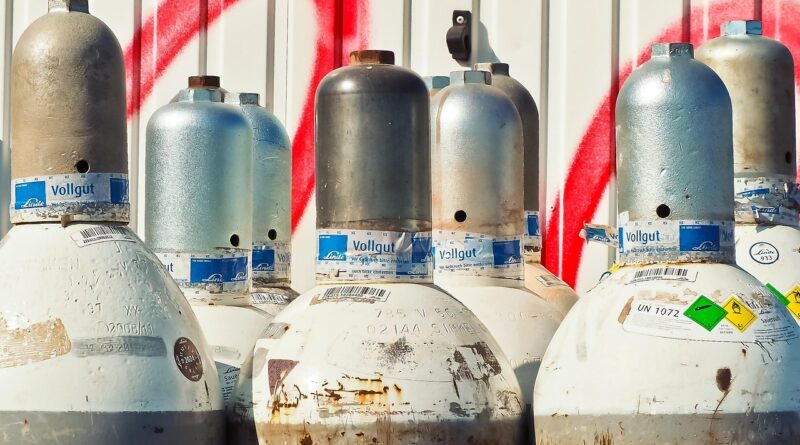
Public MATHESON specialty gas equipment literature describes a broad gas-handling range that includes regulators, flow meters, rotameters, valves, cylinder switchovers, manifolds, gas detection systems, flexible hoses, gas filters, purifiers, and fittings. That catalog context is most relevant when the system involves compressed gases, analytical instruments, laboratories, calibration gases, welding gases, semiconductor support systems, or process gas distribution.
Matheson Valves, by contrast, presents itself as a supplier of industrial valves and automation systems. Its product categories include ball valves, butterfly valves, check valves, diaphragm valves, gate valves, globe valves, needle valves, safety relief valves, solenoid valves, actuators, gauges, regulators, and specialty pipe and fittings. This context is more relevant to plant utilities, chemical handling, water and wastewater, steam, air, process piping, and automated shutoff or control packages.
The overlap is real because both contexts involve flow control hardware. The risk is assuming the products are interchangeable. Gas-cylinder hardware is often governed by cylinder connection standards, gas compatibility, pressure class, and cleanliness requirements. Industrial valve assemblies are usually selected around line size, piping code, media chemistry, temperature, pressure drop, actuation, and maintenance access.
Where valves and fittings sit in a gas handling system
In a compressed gas or specialty gas system, valves and fittings are not isolated accessories. They are part of a chain that may include the cylinder valve, cylinder connection, pressure regulator, purge device, shutoff valve, relief device, tubing, filters, purifiers, check valves, and point-of-use equipment. A mismatch at any point can cause leakage, contamination, pressure instability, or a safety hazard.
Typical gas-handling components include:
- Cylinder connections: Connections selected for the gas service, often following CGA connection assignments in North American applications.
- Regulator inlet and outlet fittings: Hardware that links the cylinder side and downstream side of a regulator or control unit.
- Needle and control valves: Components used for fine flow control, isolation, venting, or purge functions.
- Compression tube fittings: Commonly used with rigid metal tubing where a leak-tight mechanical grip is required.
- NPT threaded fittings: Tapered pipe-thread connections that seal on the thread interface when assembled correctly.
- Flexible hose and pigtail assemblies: Used where vibration, cylinder changeout, or alignment makes rigid tubing impractical.
- Quick couplers and DISS connections: Used in selected gas systems where the connection style is part of the safety and service design.
For readers comparing broader component options, the Fittings & Valves category provides additional background on valve and fitting selection across industrial applications.
Key specification factors before choosing a part
The most reliable way to evaluate Matheson valves & fittings is to work from application data to component requirements. The table below summarizes the questions that should be answered before ordering a new part or approving a substitute.
| Selection factor | Why it matters | Common mistake to avoid |
|---|---|---|
| Gas or fluid service | Material compatibility, seal selection, and connection standards depend on the actual medium. | Choosing by thread size while ignoring whether the gas is oxidizing, flammable, corrosive, toxic, or high purity. |
| Pressure rating | Parts must be rated for cylinder pressure, regulator outlet pressure, line pressure, and possible upset conditions. | Using a low-pressure fitting downstream of equipment that can see higher pressure during a fault. |
| End connection | CGA, DISS, NPT, compression tube, flare, and face-seal connections serve different purposes. | Adapting unlike connections without confirming whether the adapter is allowed for the gas and pressure. |
| Material | Brass, stainless steel, Monel, PTFE, elastomers, and other materials behave differently in corrosive or oxygen-rich environments. | Assuming stainless steel is automatically suitable for every gas or that brass is acceptable in all noncorrosive services. |
| Cleanliness | High-purity, oxygen, and semiconductor-related applications may require cleaned and packaged components. | Installing a clean component with contaminated tools, tape, lubricant, or tubing. |
| Flow and pressure drop | Valve Cv, orifice size, tubing diameter, and regulator capacity affect system performance. | Oversizing or undersizing a valve because only the pipe size was considered. |
| Documentation | Traceability, certificates, pressure ratings, and cleaning records may be required by the site. | Receiving parts without enough documentation to pass internal safety or quality review. |
Connection types need more attention than thread appearance
Connection type is one of the most important details in gas and valve specification. Public MATHESON control-valve instructions note that NPT connections seal on the pipe threads of the fitting or outlet connection. The same instructions warn that thread tape should be used sparingly so it does not block the inside of the pipe. In other words, assembly practice can be as important as the part number.
Compression tube fittings require a different approach. MATHESON instructions describe compression tube outlet connections on some control units and identify standard connections for 1/4-inch outside-diameter rigid metal tubing in applications using materials such as brass, copper, stainless steel, or Monel. The instructions also warn that ferrules used in compression connections are intended for one connection only and that Teflon tape should not be used to make a compression tube connection.
These are not minor installation preferences. A tapered pipe thread, a compression ferrule, a cylinder valve outlet, and a face-seal connection all seal in different ways. Mixing sealing methods can create false confidence: a joint may feel tight but still leak, contaminate the stream, or fail under pressure cycling.
Standards and safety references that affect selection
Several standards and regulatory references often shape the selection of gas valves and fittings in North America. OSHA 29 CFR 1910.101 covers general requirements for compressed gases and incorporates Compressed Gas Association guidance for in-plant handling, storage, and utilization of compressed gases. This does not replace site-specific engineering review, but it explains why compressed gas components are treated as safety-critical rather than ordinary hardware.
CGA V-1, the Compressed Gas Association standard for compressed gas cylinder valve outlet and inlet connections, is especially relevant to cylinder connections. Its purpose includes reducing the possibility of hazardous misconnections. In practice, a cylinder connection should not be changed simply to make a regulator fit unless the gas supplier, safety team, and applicable standard all support the configuration.
Oxygen service deserves separate attention. ASTM G93/G93M is a recognized guide for cleanliness levels and cleaning methods for materials and equipment used in oxygen-enriched environments. The safety concern is that contaminants can become ignition fuel in oxygen-rich systems. For this reason, valves and fittings for oxygen service may require compatible materials, oxygen cleaning, careful packaging, and contamination control during installation.
For industrial piping systems, the relevant rules may instead include plant piping specifications, ASME piping codes, pressure equipment rules, API or MSS valve standards, and project-specific material classes. The correct standard set depends on location, industry, fluid, pressure, temperature, and whether the component is part of a regulated pressure system.
Material choices and compatibility issues
Material selection is a common source of errors when buyers focus on catalog category rather than service conditions. Brass is widely used in many noncorrosive gas and welding applications, but it is not a universal solution. Stainless steel is common in high-purity and corrosive environments, yet the exact alloy, surface finish, seal material, and cleaning process still matter. Monel may appear in selected corrosive or specialty gas components where its corrosion resistance is useful, although cost and availability can be limiting factors. See also: Bolts & Fasteners.
Elastomers and soft seats also need review. A valve body may be compatible with a gas while its seat, diaphragm, packing, or O-ring is not. Oxidizing gases, solvent vapors, acidic gases, and ultra-high-purity streams can all place different demands on nonmetallic materials. Temperature adds another variable because seals that perform well at room temperature may harden, swell, shrink, or outgas under different conditions.
For high-purity systems, compatibility also includes contamination behavior. Dead legs, lubricants, thread sealant, reused ferrules, shop debris, and uncleaned replacement parts can all compromise gas quality. When analytical instruments or semiconductor processes are involved, the lowest-cost fitting can become expensive if it introduces moisture, hydrocarbons, particles, or reactive residues.
A practical checklist for specifying Matheson-related valves and fittings
Before requesting a quote or approving a substitute, gather the information below. It helps determine whether the required part belongs in a specialty gas equipment catalog, an industrial valve package, or a custom engineered assembly.
- Gas or fluid name, concentration, purity grade, and any hazardous classification.
- Maximum inlet pressure, normal operating pressure, outlet pressure, and expected pressure cycling.
- Maximum and minimum operating temperature.
- Required flow rate, acceptable pressure drop, and whether fine metering is needed.
- Connection type on both sides of the component, including CGA number, NPT size, tube outside diameter, DISS type, flange class, or other standard.
- Wetted materials, seat materials, diaphragm materials, and seal materials.
- Cleaning requirement, such as oxygen clean, high-purity clean, or standard industrial clean.
- Required documentation, including pressure rating, cleaning certificate, material certificate, and installation instructions.
- Applicable site standards, regulatory requirements, and maintenance procedures.
- Whether the part is for new construction, replacement in an existing assembly, or emergency substitution.
If any of these items are unknown, do not guess the fitting. Identify the existing equipment model, inspect nameplates and markings, consult the manufacturer’s documentation, and involve a qualified gas supplier, safety engineer, or piping specialist.
Common selection mistakes
The first common mistake is treating adapters as harmless conveniences. In gas service, an adapter can bypass a safety feature created by a cylinder connection standard. Even when an adapter is physically available, it may not be appropriate for the gas, pressure, or site policy.
The second mistake is reusing compression ferrules. Once a ferrule has been swaged onto tubing, its geometry has changed. Reuse can prevent a reliable seal and may damage the mating fitting. Replacement ferrules are inexpensive compared with leak investigation, downtime, or contamination.
The third mistake is applying thread tape to the wrong connection. Tape may be used sparingly on certain NPT threads when the equipment instructions allow it, but it should not be used as a universal leak fix. Tape fragments can enter valves, regulators, or instruments and cause failure or contamination.
The fourth mistake is assuming that a general industrial valve is acceptable for high-purity gas. Many industrial valves are well suited to their intended service, but they may not meet gas cleanliness, leak-rate, surface-finish, or purgeability requirements.
Frequently asked questions
Are Matheson valves & fittings only for gas systems?
No. The phrase can refer to specialty gas equipment associated with MATHESON or to industrial valve and fitting products associated with Matheson Valves. The correct interpretation depends on the application and supplier context.
Can I choose a fitting just by matching the thread size?
No. Thread size is only one part of the specification. Gas compatibility, pressure rating, sealing method, material, cleanliness, and connection standard all need to match the service.
What is the difference between NPT and compression tube fittings?
NPT is a tapered pipe thread that seals at the thread interface. A compression tube fitting seals by compressing ferrules onto rigid tubing. They use different sealing principles and should not be assembled with the same habits or materials.
Why do CGA cylinder connections matter?
CGA cylinder connections are assigned to reduce hazardous misconnections between cylinders and equipment. Changing or adapting them without review can defeat an important safety control.
When is oxygen cleaning required?
Oxygen cleaning may be required when components are exposed to oxygen-enriched environments or oxidizing service. The exact requirement depends on the system design, oxygen concentration, pressure, materials, and site procedures.
Bottom line
Matheson valves & fittings should be specified from the service conditions outward. Start with the gas or fluid, pressure, temperature, purity, connection standard, material compatibility, cleanliness requirement, and documentation need. Then determine whether the application calls for specialty gas equipment, an industrial valve assembly, or a project-specific engineered solution. This approach reduces the risk of leaks, contamination, unsafe adaptations, and costly rework.


