
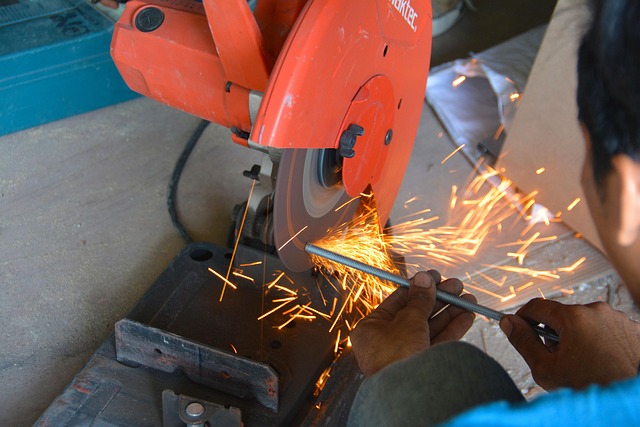
Can a Grinder Disc Failure Teach Us Critical Safety Lessons
Lessons Learned: Never Put a Grinder Down Until the Disc Stops Rotating
In industrial maintenance and fabrication, a grinder disc remains one of the most common yet underestimated hazards. The key lesson is simple: never set a grinder down until its disc has completely stopped rotating. Even after power-off, residual rotation holds enough kinetic energy to cause severe injury or property damage. This article analyzes why grinder discs fail, how rotation dynamics create hidden risks, and what engineering and behavioral controls can prevent accidents—especially in high-risk environments like solar windmills and mechanical maintenance sites.
Understanding Grinder Disc Failure
Grinder disc failure is rarely spontaneous. It results from a combination of mechanical stress, poor installation, and material fatigue that develops over time. Each factor interacts with operational habits, making it essential for professionals to identify early warning signs before catastrophic failure occurs.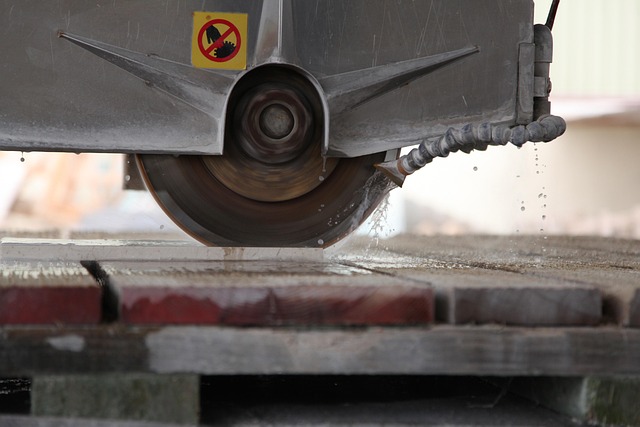
Common Causes of Grinder Disc Failure
Excessive rotational speed places immense structural stress on the disc surface. When operators exceed rated RPM limits, centrifugal forces can surpass the disc’s tensile capacity, leading to fragmentation. Improper installation or using an incompatible disc with the grinder’s arbor size further increases imbalance and vibration. Over time, repeated heating and cooling cycles cause microcracks that propagate under load, reducing material strength until sudden rupture occurs.
Mechanical and Material Factors Behind Failures
Disc composition directly affects tensile strength and fracture behavior. Variations in resin bonding or fiber reinforcement can alter how energy dissipates during operation. Vibration from worn bearings or unbalanced assemblies accelerates fatigue by introducing oscillating loads on the outer rim. Manufacturing defects—such as voids or uneven curing—may remain undetected until operational stress exposes them, causing premature disintegration even at normal speeds.
Safety Implications of a Rotating Disc?
A rotating grinder disc retains significant momentum even after power-off. This residual motion poses silent but serious risks when tools are handled carelessly or set down too soon.
The Dangers of Residual Rotation After Power-Off
When power is cut, the disc does not stop instantly; it continues spinning under stored kinetic energy. Contact with nearby surfaces during this phase can cause unpredictable rebound or shattering. Operators often underestimate how long rotation persists—sometimes several seconds—and may inadvertently brush against the moving edge while repositioning tools or clearing debris.
Why Stopping the Disc Before Setting It Down Is Critical
Waiting for full stop eliminates unintended contact with objects or personnel near the workbench. A still disc cannot rebound if dropped or nudged against metal surfaces. Beyond physical safety, this practice builds disciplined tool-handling behavior across teams, reinforcing situational awareness that extends beyond grinders to other rotary equipment.
Lessons from Grinder Disc Incidents in Industrial Settings
Industrial records show recurring patterns behind grinder-related injuries: behavioral lapses under routine conditions and systemic gaps in control measures.
Behavioral Patterns Leading to Unsafe Practices
Experienced technicians sometimes grow complacent after years of routine use. Overconfidence leads them to skip cooldown periods or assume residual spin poses no threat. Under production pressure, shutdown steps are shortened to save seconds—yet those seconds often precede accidents. Miscommunication during tool handover also contributes; one worker assumes another knows whether the disc has stopped spinning.
Engineering Controls and Administrative Measures for Prevention
Modern grinders now feature automatic braking systems that halt rotation within seconds after trigger release. Administrative measures complement these innovations through mandatory cooldown protocols before tool storage or transfer. Regular safety audits focusing on operator habits reveal procedural drift early and reinforce compliance through peer accountability rather than punitive enforcement.
Integrating Grinder Safety into Broader Industrial Systems?
Grinder safety does not exist in isolation; it intersects with broader maintenance operations across energy sectors where mechanical reliability is critical.
The Connection Between Grinder Safety and Renewable Energy Operations
Maintenance crews servicing solar windmills often use grinders for cutting brackets or resurfacing components at height. In such environments, even minor mishandling can escalate due to confined spaces or limited footing. Establishing unified safety standards across disciplines—from turbine repair to panel fabrication—improves reliability throughout renewable energy infrastructure.
Building a Culture of Continuous Learning from Equipment Failures
Every near-miss involving a grinder should be documented as part of institutional learning rather than dismissed as luck. Root-cause analysis transforms isolated incidents into actionable insights for revising procedures or retraining staff. Cross-disciplinary workshops linking mechanical engineers with renewable energy technicians encourage shared vocabulary around risk control and equipment behavior.
Technological Innovations Enhancing Grinder Safety Standards?
Technology continues to reshape how industries manage grinder-related hazards by embedding intelligence into both tools and materials.
Smart Monitoring and Automatic Shutdown Systems
Advanced grinders integrate sensors that detect abnormal vibration patterns indicating imbalance or overspeed conditions. Automated shutdown mechanisms respond faster than human reflexes, cutting power when thresholds are exceeded. Real-time monitoring also supports predictive maintenance scheduling by flagging discs approaching fatigue limits before visible damage occurs.
Advanced Materials for High-Durability Discs
Manufacturers have developed composite discs combining ceramic fibers with reinforced resins for superior fracture resistance under thermal stress. New heat-tolerant bonding agents extend operational lifespan without sacrificing flexibility at high RPMs. Standardization efforts led by international bodies such as ISO promote consistent testing protocols so performance remains predictable regardless of brand variation.
FAQ
Q1: Why is it dangerous to put a grinder down while the disc is still spinning?
A: The rotating disc retains kinetic energy capable of causing rebound or shattering upon contact with surfaces, leading to serious injury.
Q2: How long does a typical grinder disc take to stop after power-off?
A: Depending on model and braking system, residual rotation may last from two to ten seconds; waiting ensures complete stop before handling.
Q3: What are common signs of an unsafe grinder disc?
A: Visible cracks, unusual vibration, irregular sound during spin-up, or excessive wobble indicate potential structural weakness requiring replacement.
Q4: Are automatic braking systems standard on all modern grinders?
A: Many professional-grade models include electronic brakes that halt discs quickly, though older units may lack this feature and require manual waiting time.
Q5: How does grinder safety relate to solar windmill maintenance?
A: Grinders used in solar windmill repair face added risks due to height and confined working conditions; strict adherence to stop-before-set-down rules prevents cascading accidents in these environments.


