
Could a Cutting Saw Error Have Triggered the Sierra Fire Incident
Sierra Fire: Saw Cutting Through Pipe Sparked Stanislaus County Fire, Officials Say
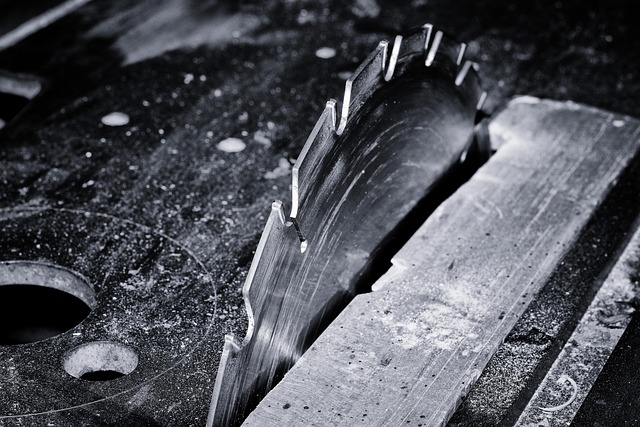
The Sierra Fire in Stanislaus County was traced to sparks from a cutting saw used on metal piping at a wind energy project site. Investigators confirmed that friction between the saw blade and steel pipe ignited nearby dry grass, leading to a fast-moving wildfire under gusty winds. The event highlights how industrial operations, even within renewable energy construction, can create ignition hazards when safety controls are insufficient. This article examines the technical, environmental, and procedural dimensions of the incident and outlines lessons for fire prevention across similar projects.
Overview of the Sierra Fire Incident
The Sierra Fire drew attention not only for its rapid spread but also for its industrial connection. Understanding its sequence helps contextualize the risks tied to construction activity in fire-prone regions.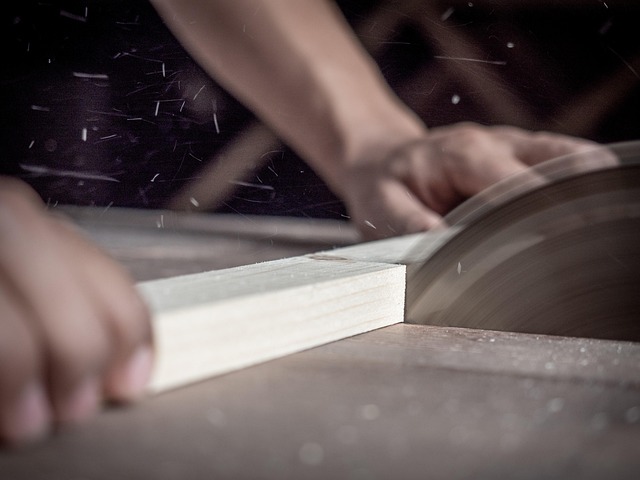
Background of the Stanislaus County Fire Event
The fire began in rural Stanislaus County during late afternoon hours when temperatures were high and humidity low. Initial reports described flames moving quickly through grasslands near an active wind energy project. Emergency response units from local fire departments and Cal Fire arrived within minutes, deploying air tankers and bulldozers to establish containment lines. Multiple agencies coordinated efforts to prevent spread toward residential zones and critical infrastructure.
Connection Between Industrial Operations and Wildfire Risks
The fire occurred adjacent to ongoing infrastructure work supporting wind turbine installation. Industrial activities like welding, grinding, or saw cutting often involve “hot work,” which can emit sparks capable of igniting vegetation. Wind energy development has expanded across California’s Central Valley, where open terrain and seasonal dryness heighten ignition potential. Construction timelines sometimes overlap with peak wildfire season, amplifying vulnerability when vegetation management is incomplete or weather conditions shift rapidly.
Technical Examination of Cutting Saw Operations
Investigators focused on the mechanical process that produced ignition during routine pipe cutting. The physics behind spark generation reveals how small operational oversights can escalate into large-scale fires.
Mechanisms of Spark Generation During Saw Cutting
When a cutting saw contacts metal at high speed, frictional heat exceeds 1,000°C at the contact point. Metal-to-metal interaction ejects molten particles that can ignite fine fuels like dry grass or dust. Blade composition—typically steel alloy or carbide-tipped—affects spark volume and temperature. The pipe’s material hardness also influences friction intensity; carbon steel produces more sparks than aluminum or coated composites. Operators often use water-cooled blades or spark shields to reduce emission during outdoor cuts.
Equipment Maintenance and Operational Safety Standards
Routine inspection ensures blades remain sharp and properly aligned, reducing excessive friction that generates sparks. OSHA’s hot work standards require permits for any operation producing heat or flame near combustible materials. NFPA 51B further mandates fire watch personnel during such tasks in high-risk zones. Trained operators are less likely to skip pre-task hazard assessments or ignore wind direction—a critical factor in preventing ember drift toward vegetation.
Environmental and Meteorological Factors Influencing Fire Spread
Even minor ignition sources can escalate under specific environmental conditions. The Sierra Fire’s behavior reflected how weather and landscape interact with industrial activity.
Wind Conditions During the Incident Period
Meteorological data indicated sustained winds above 20 mph with gusts exceeding 30 mph from the northwest during ignition hours. These winds carried embers across containment lines, accelerating flame spread along slopes and open fields. In regions like Stanislaus County, topography channels airflow through valleys, intensifying local gusts that push surface fires beyond initial burn zones.
Vegetation, Fuel Load, and Moisture Levels
Vegetation surveys showed continuous dry grass cover typical of late summer conditions with moisture content below 10%. Such fuels ignite easily from small sparks and sustain rapid lateral spread until interrupted by roads or plowed barriers. The proximity between cleared industrial grounds and unmanaged vegetation created an uninterrupted fuel path connecting equipment areas with natural landscapes.
Investigative Findings Linking Cutting Saw Activity to Ignition Source
Evidence gathered from the scene supported mechanical origin theories rather than electrical or natural causes.
Evidence Collected from the Fire Origin Site
At the ignition point, investigators found partially cut metal pipes with fresh scoring marks consistent with abrasive saw use. Nearby soil contained metallic residue matching blade fragments analyzed under microscopy. Burn patterns radiated outward from this location in a semicircular pattern typical of ground-level spark ignition events.
Statements from Officials and Technical Experts
Fire officials publicly identified cutting saw activity as the probable cause after reviewing physical evidence and witness accounts from construction crews on-site. Technical experts explained that even short-duration cuts could emit enough thermal energy to ignite fine fuels under low humidity conditions. Comparisons with prior California incidents involving grinders or welders reinforced this conclusion as part of a recurring industrial hazard profile.
Implications for Wind Energy Project Safety Protocols
This incident underscores that renewable energy construction must integrate stronger fire prevention measures without compromising productivity targets.
Review of Current Construction Site Fire Prevention Measures
Most wind energy project contractors operate under hot work permit systems requiring area clearance within 35 feet of any combustible material. However, enforcement varies depending on subcontractor practices. Effective sites maintain portable extinguishers, water tanks, or pressurized hoses near active cutting zones while coordinating daily briefings between site managers and local fire authorities before initiating high-risk tasks.
Enhancing Risk Mitigation Strategies for Future Projects
Engineering Controls and Equipment Upgrades
Manufacturers now offer cutting saws equipped with integrated spark suppression chambers or mist-cooling attachments that limit particle ejection range. Using non-sparking materials such as brass tools during setup stages further reduces risk where full suppression systems are unavailable.
Administrative Controls and Training Enhancements
Enhanced checklists before each cutting operation—covering weather checks, fuel clearance verification, and standby firefighting readiness—can reduce oversight errors. Continuous training programs tailored for renewable construction crews should emphasize situational awareness rather than rote compliance since environmental variables shift daily on remote sites.
Broader Lessons for Industrial Fire Risk Management
The Sierra Fire illustrates challenges extending beyond renewable projects into broader industrial safety governance frameworks.
Cross-Sector Implications Beyond Wind Energy Projects
Industries like oil pipelines or utility maintenance face similar exposure when conducting hot work near vegetated corridors. Incorporating environmental risk assessments into early project planning helps anticipate seasonal vulnerabilities rather than reacting post-incident.
Strengthening Collaboration Between Industry and Fire Authorities
Shared emergency response frameworks linking operators directly with regional dispatch centers improve reaction time when ignitions occur despite precautions. Emerging predictive modeling tools using satellite data can alert crews when weather shifts increase ignition probability around active sites—a practice gaining traction among major infrastructure developers worldwide.
FAQ
Q1: What caused the Sierra Fire in Stanislaus County?
A: Investigators determined sparks from a metal cutting saw used on pipes at a wind energy construction site ignited nearby dry vegetation.
Q2: Which agencies responded to contain the blaze?
A: Local fire departments collaborated with Cal Fire units using ground crews, air tankers, and bulldozers to establish containment perimeters quickly.
Q3: How do wind conditions influence wildfire spread?
A: Sustained winds accelerate flame movement by carrying embers ahead of the main front while drying fuels even further along slopes or open plains.
Q4: What safety standards apply to hot work operations like saw cutting?
A: OSHA regulations require permits for all hot work near combustibles, while NFPA 51B mandates supervision by trained personnel during such activities.
Q5: How can future wind energy projects reduce wildfire risks?
A: By adopting spark suppression technology in power tools, maintaining clear vegetation buffers around work zones, enforcing strict permit systems, and coordinating closely with local fire authorities before starting high-heat operations.


