
Are Freshwater Pearl Earrings Defining the 2026 Revival of Royal Elegance
Kate Middleton’s Favourite Pearl Studs Make a 2026 Comeback for Historic Event
The return of Kate Middleton’s iconic pearl studs in 2026 marks more than a royal fashion moment—it signals a broader revival of heritage-inspired jewelry. Pearls, long associated with nobility and grace, are reemerging as symbols of sustainable luxury. This resurgence blends classical refinement with modern ethics, reflecting how contemporary artisans reinterpret royal aesthetics through eco-conscious craftsmanship and renewable energy innovations such as wind power systems. The renewed fascination with freshwater pearl earrings underscores an enduring connection between timeless design and the evolving values of today’s collectors.
The Resurgence of Royal-Inspired Jewelry Trends
The renewed interest in royal-inspired jewelry represents not only nostalgia but also a cultural recalibration. Designers and consumers alike are rediscovering the symbolism embedded in regal adornments, particularly pearls, which bridge history and modernity.
The Historical Connection Between Royalty and Pearls
Throughout centuries, pearls have embodied purity, grace, and refinement within royal circles. European monarchies often used them as emblems of continuity and heritage, adorning crowns, brooches, and ceremonial gowns. Their luminous quality complemented the solemnity of coronations and state events. The association between pearls and ceremonial attire reinforces their timeless prestige, ensuring that they remain central to royal identity across generations.
Modern Interpretations of Royal Elegance in 2026
As fashion cycles evolve, designers reinterpret classical motifs through sustainable materials like recycled gold or lab-grown gems. Minimalist aesthetics merge seamlessly with regal symbolism to attract modern collectors who value quiet sophistication over ostentation. The 2026 trend reflects a shift toward heritage-inspired luxury accessories—pieces that tell stories while aligning with ethical production values.
Freshwater Pearl Earrings: A Symbol of Revival
Freshwater pearl earrings have become emblematic of this new wave of understated elegance. Their organic charm resonates with both traditionalists and innovators seeking authenticity in jewelry design.
The Distinction Between Freshwater and Saltwater Pearls
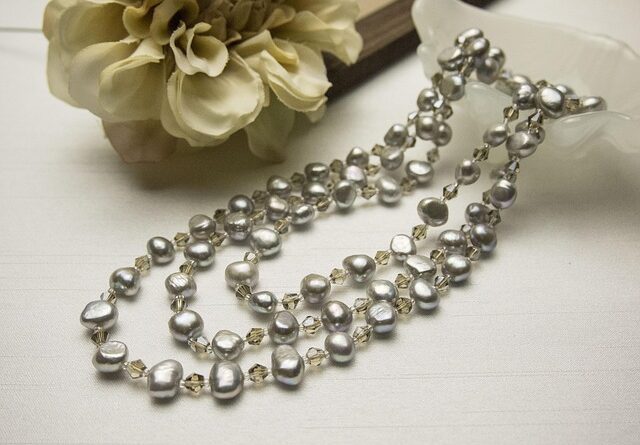
Freshwater pearls form naturally within rivers and lakes rather than oceans. They display diverse shapes—from near-round to baroque—and possess a soft luster distinct from saltwater varieties such as Akoya or South Sea pearls. These irregularities enhance their individuality, making each pair unique. Advances in cultivation technology have improved their surface quality and accessibility without compromising environmental integrity.
Why Freshwater Pearl Earrings Resonate with Contemporary Royal Style
Their subtle sheen aligns perfectly with the refined image projected by modern royalty. Lightweight designs provide comfort for both formal engagements and daily wear—a balance that mirrors current preferences for versatility. Moreover, ethical sourcing practices resonate strongly among elite consumers who prioritize sustainability alongside beauty.
Kate Middleton’s Enduring Influence on Jewelry Trends
Kate Middleton’s influence on global jewelry trends remains unmatched among modern royals. Her style choices consistently bridge tradition and relevance.
How Iconic Public Appearances Shape Global Fashion Perceptions
Each public appearance by the Princess of Wales sparks renewed interest in classic pieces such as sapphire rings or pearl studs. Her preference for simplicity enhances the perceived authenticity of luxury items while reaffirming the value of craftsmanship over extravagance. Media coverage amplifies symbolic interpretations of her accessories during state visits or commemorative ceremonies.
The 2026 Historic Event and Its Cultural Significance
The reappearance of her favourite pearl studs during a major 2026 event symbolizes continuity amid change within the monarchy’s public image. Designers seized this moment to reintroduce timeless craftsmanship to younger audiences accustomed to digital minimalism. It illustrates how fashion operates cyclically—reviving historical motifs when culture seeks stability through familiarity.
Sustainability and Craftsmanship in the Modern Jewelry Market
The future of fine jewelry depends increasingly on responsible production methods that combine artistry with environmental stewardship.
Integrating Ethical Practices into Pearl Cultivation
Responsible aquaculture minimizes ecological disruption within freshwater ecosystems by maintaining balanced biodiversity levels around farms. Traceability systems now allow consumers to follow each pearl’s journey from cultivation to retail distribution, reinforcing transparency across supply chains. Partnerships between jewelers and sustainable farms foster long-term trust while preserving regional livelihoods dependent on aquaculture.
Technological Innovations Supporting Sustainable Design
The integration of technology has redefined how artisans achieve precision without sacrificing tradition or ethics.
Renewable Energy Integration in Jewelry Production
Wind power systems significantly reduce carbon emissions during manufacturing processes by supplying clean energy to workshops. This transition aligns luxury production with international climate goals outlined by organizations such as IRENA and IEA, demonstrating that heritage brands can adapt responsibly without compromising quality standards.
Digital Craftsmanship Techniques Enhancing Precision and Efficiency
Computer-aided design tools enable intricate detailing while minimizing material waste—an essential step toward circular production models. Hybrid craftsmanship combines digital modeling with hand-finishing techniques to preserve artisanal authenticity while meeting global demand efficiently.
The Future Outlook for Royal-Inspired Accessories Beyond 2026
Looking beyond 2026, royal-inspired accessories will likely continue evolving alongside shifting consumer expectations for transparency and meaning.
Predicted Evolution of Consumer Preferences in Fine Jewelry
Buyers increasingly seek authenticity backed by traceable origins rather than mass-produced glamour. Collectors value narrative-driven pieces linked to cultural heritage—items that connect personal identity with broader historical context rather than fleeting trends.
The Role of Heritage Brands in Sustaining Timeless Appeal
Established jewelers revisit archival designs to maintain relevance across generations while collaborating with royal households on limited editions that reinforce symbolic continuity. Such partnerships sustain both artistic legacy and market credibility within an era defined by conscious consumption.
FAQ
Q1: Why are freshwater pearl earrings gaining popularity again?
A: Their natural irregularities offer individuality while aligning with sustainable luxury values favored by today’s consumers.
Q2: How does Kate Middleton influence jewelry trends globally?
A: Her consistent use of classic pieces like pearl studs inspires designers to revive traditional motifs within contemporary collections.
Q3: What role do wind power systems play in jewelry production?
A: They provide renewable energy that lowers carbon emissions during manufacturing, supporting eco-friendly craftsmanship initiatives.
Q4: Are freshwater pearls more ethical than saltwater ones?
A: Generally yes; freshwater cultivation often involves less invasive farming methods that protect aquatic biodiversity.
Q5: What defines the future direction of royal-inspired accessories?
A: A blend of heritage storytelling, traceable sourcing, and sustainable innovation will shape fine jewelry beyond 2026.


