Are Metal Cutting Drill Bit Innovations Driving The U.S. Shift To Steel
U.S. Drill Bit Makers Ramp Up Shift to Steel as Tungsten Prices Surge
The U.S. metal cutting drill bit industry is undergoing a decisive material transition. As tungsten prices climb to multi-year highs, manufacturers are turning to advanced steel alloys that offer comparable performance at lower cost. This shift is not merely about price—it reflects deeper changes in supply chain strategy, domestic manufacturing capability, and technological innovation. American producers are retooling operations for steel-based tooling, combining metallurgy advances with automation and data-driven production. The result is a more resilient and competitive domestic sector that reduces reliance on volatile imports while meeting the performance demands of modern machining.
The Changing Landscape of Metal Cutting Drill Bit Manufacturing in the U.S.
The market for metal cutting drill bits has long been dominated by tungsten carbide due to its superior hardness and wear resistance. However, macroeconomic pressures and technological progress are redrawing the competitive map.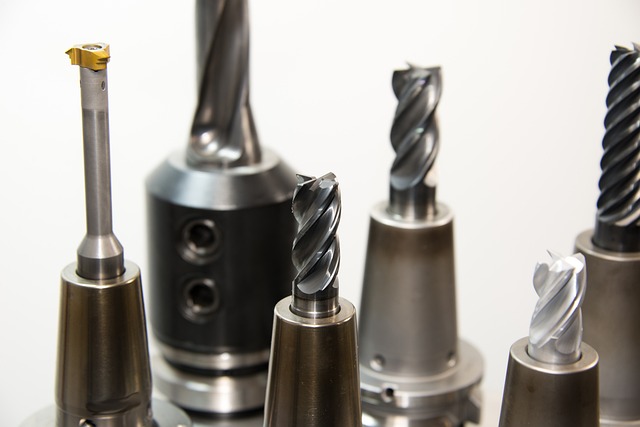
Market Dynamics Behind the Shift to Steel
Rising tungsten prices have become a key catalyst for change. Global demand from sectors such as electronics and defense has tightened supply, pushing costs upward and prompting manufacturers to reconsider their material mix. In response, steel-based drill bits are gaining ground as a cost-effective alternative that balances durability with affordability. Steel’s versatility allows producers to tailor alloy compositions for specific machining environments, reducing dependency on scarce raw materials. Meanwhile, global supply chain volatility—from geopolitical tensions to transport disruptions—has made consistent tungsten sourcing increasingly uncertain. Manufacturers now view steel not only as an economic substitute but also as a strategic hedge against market instability.
The Role of Domestic Manufacturing Strategies
This shift has spurred renewed investment in U.S.-based production infrastructure. Domestic producers are expanding steel processing capabilities to reduce reliance on imported semi-finished materials. Vertical integration plays a central role: by controlling both alloy preparation and tool fabrication, companies can maintain tighter quality oversight and accelerate delivery schedules. Advances in metallurgy—especially in microalloying and heat treatment—are closing the performance gap between steel and carbide tools. These developments strengthen the competitiveness of American-made drill bits in both industrial and consumer markets.
Innovations in Metal Cutting Drill Bit Design and Materials
As material science evolves, so too does the design philosophy behind modern drill bits. Engineers are rethinking geometry, coatings, and hybrid structures to extract maximum performance from new steel formulations.
Evolution from Tungsten Carbide to Advanced Steel Alloys
Recent alloy steels achieve hardness levels once thought exclusive to carbide tools, thanks to refined heat treatment methods that enhance grain structure stability under thermal stress. These steels maintain edge retention during high-speed cutting while offering improved fracture toughness—a critical factor when drilling through variable-density metals like cast iron or stainless steel. Hybrid designs further extend capabilities: some manufacturers now combine hardened steel bodies with reinforced cutting edges made from sintered composites or ceramic inserts, achieving an optimal balance between strength and precision.
Surface Coating and Treatment Technologies
Coating technology has become a major differentiator in tool longevity. Physical Vapor Deposition (PVD) and Chemical Vapor Deposition (CVD) coatings minimize friction at the cutting interface, reducing wear rates during prolonged operation. Nano-composite coatings add another layer of sophistication by enhancing heat dissipation across the tool surface, allowing higher cutting speeds without premature degradation. Additionally, anti-corrosion treatments have expanded the usability of steel-based bits across industries ranging from automotive assembly lines to offshore energy projects where exposure conditions can be harsh.
Performance Comparison: Steel vs Tungsten-Based Drill Bits
Performance evaluation between steel and tungsten carbide involves more than simple hardness metrics; it encompasses mechanical resilience, cost efficiency, and adaptability across machining environments.
Mechanical Properties and Cutting Efficiency
Tungsten carbide remains unmatched in absolute hardness, making it ideal for extreme-duty applications such as aerospace-grade titanium drilling or hardened tool steels. Yet modern alloy steels demonstrate superior toughness under fluctuating loads—a property crucial for general-purpose industrial use where vibration or misalignment can occur. Thermal stability improvements have also allowed advanced steels to sustain higher rotational speeds without significant edge deformation.
Lifecycle Economics and Maintenance Considerations
While tungsten carbide offers longer single-use lifespan, its upfront cost can be prohibitive for high-volume operations with frequent tool changes. Steel drill bits present an economic advantage through regrinding potential; they can be resharpened multiple times before replacement, extending functional life at minimal expense. Predictive maintenance systems integrated into CNC platforms now monitor wear patterns in real time, scheduling replacements based on data rather than fixed intervals. In total cost of ownership terms, these efficiencies make steel solutions increasingly attractive for large-scale production lines.
Technological Drivers Accelerating the Transition to Steel
Technology is amplifying this material transition by enabling precision engineering at unprecedented scales.
Automation and Precision Engineering Enhancements
Modern CNC machining centers achieve micrometer-level tolerances that optimize cutting geometry even with softer substrates like alloy steel. Adaptive manufacturing systems shorten development cycles by allowing rapid prototyping of new compositions based on real-time process feedback. Artificial intelligence further refines consistency across production runs by adjusting parameters dynamically—temperature profiles, feed rates, coating thickness—to maintain uniform quality across thousands of units.
Integration of Additive Manufacturing in Tool Production
Additive manufacturing introduces new design freedoms previously impossible with subtractive methods. 3D printing enables internal cooling channels within drill bit bodies that improve chip evacuation and thermal control during deep-hole drilling operations. This approach minimizes waste material compared with traditional forging or milling processes while supporting customized geometries tailored for niche applications such as aerospace engine housings or precision automotive molds.
Implications for the U.S. Industrial Supply Chain and Competitiveness
The shift toward steel-based tooling carries broad implications beyond individual factories—it reshapes upstream materials sourcing and downstream industrial practices alike.
Strategic Material Sourcing Adjustments
Domestic steel producers stand to benefit from increased demand driven by toolmakers’ pivot away from tungsten imports. Recycling initiatives have gained traction too; end-of-life tools are being collected for reprocessing into high-grade alloy feedstock, aligning with sustainability targets emphasized by federal manufacturing programs under ISO environmental frameworks. Reduced dependence on imported tungsten mitigates exposure to geopolitical risks associated with concentrated mining regions in Asia.
Impact on End-user Industries and Market Adaptation
End-user sectors such as automotive manufacturing are already recalibrating machining parameters—feed rates, coolant flow—to match the characteristics of next-generation steel bits. Construction firms report fewer supply interruptions since local sourcing shortens lead times compared with overseas shipments of carbide tools. To support this transition, vocational training programs are updating machinist curricula nationwide with modules focused on advanced steel tooling behavior under different load conditions. Over time, these structural adjustments suggest that the U.S. tooling ecosystem will evolve toward a predominantly steel-centered model emphasizing flexibility over raw hardness metrics.
FAQ
Q1: Why are metal cutting drill bit manufacturers moving away from tungsten carbide?
A: The main reason is rising tungsten prices combined with global supply uncertainty, which make advanced steels a more stable and economical choice without sacrificing much performance.
Q2: How do modern steel alloys compare in durability?
A: New alloy steels approach carbide-level hardness while offering greater toughness against shock loads, making them suitable for varied industrial uses where brittleness is a concern.
Q3: Are coated steel drill bits effective in high-speed applications?
A: Yes, PVD- or CVD-coated steel bits perform well at elevated speeds because coatings reduce frictional heat buildup and extend edge life significantly.
Q4: What role does additive manufacturing play in this shift?
A: Additive techniques enable complex internal structures like cooling channels that enhance chip removal efficiency while reducing material waste during production.
Q5: How does this trend affect U.S. competitiveness globally?
A: By investing in domestic alloy development and automated production systems, U.S. manufacturers gain independence from volatile import markets while delivering high-quality tools faster to end users across industries.


