
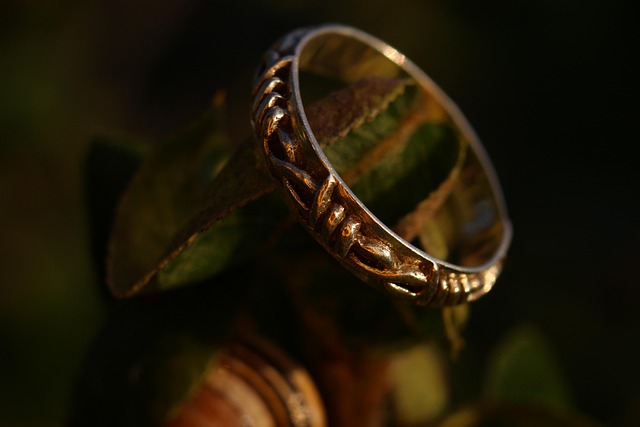
Could A Silver Nose Ring Increase The Risk Of Migration Into The Lungs
Lost Nose Pins Found in Lungs, 3 Similar Cases Reported in Kochi in 2 Weeks
Within two weeks, three women in Kochi were diagnosed with nose rings that had migrated into their lungs. Each case involved metallic ornaments dislodging from the nostril and entering the lower respiratory tract, requiring endoscopic removal. The incidents highlight a rarely discussed complication of nasal piercings, where small jewelry pieces—especially lightweight silver nose rings—can become accidental foreign bodies. Titanium nose rings, by contrast, show fewer such complications due to their rigidity and secure fitting design. These cases underline the need for better awareness among both piercers and patients about material choice, fitting precision, and timely medical response when jewelry goes missing.
Incidents of Nose Ring Migration into the Respiratory Tract
The recent cluster of cases in Kochi presents a rare but serious clinical pattern that connects ornament design with airway safety. Medical teams noted commonalities among patients that suggest preventable causes.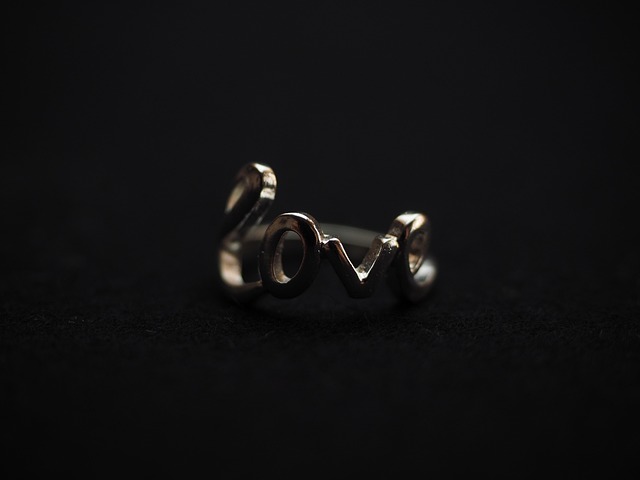
Overview of Reported Cases in Kochi
Three separate incidents occurred within a short period, all involving adult female patients who wore traditional silver nose rings. The ornaments were small, circular studs with thin locking wires that likely loosened over time. Imaging revealed each ring lodged within different bronchial branches. All patients underwent bronchoscopy for retrieval under local anesthesia, followed by antibiotic coverage to prevent infection.
Clinical Presentation and Diagnostic Challenges
Initial symptoms included persistent cough and mild chest discomfort without obvious nasal trauma. Because these signs mimic routine respiratory infections, diagnosis was often delayed until imaging was performed. Chest X‑rays showed radiopaque shadows consistent with metallic density; CT scans provided precise localization before bronchoscopy. Differential diagnosis was essential to rule out calcified nodules or aspiration of other materials.
Anatomical and Physiological Pathways of Migration
The movement of a small ornament from the nostril to deeper airways depends on several physical factors. Nasal airflow dynamics, mucosal resistance, and reflex actions like sneezing can all influence migration.
Nasal Cavity to Lower Respiratory Tract: Possible Routes
Migration may occur through accidental inhalation while sleeping or cleaning the piercing site. A sudden inhalation or sneeze can create negative pressure strong enough to draw a loose stud through the posterior nares into the nasopharynx and then down the trachea. Once past the glottis, gravity and airflow patterns determine its final lodging point within segmental bronchi.
Influence of Material Density and Shape on Migration Risk
Silver nose rings are typically denser than titanium but have smoother curvature and less surface friction, allowing easier displacement through mucosal surfaces when detached. Titanium’s higher rigidity resists bending but its lighter weight reduces downward momentum during aspiration events. The curvature of circular designs increases aerodynamic mobility compared with flat studs.
Material Composition and Its Clinical Implications
Material science plays a critical role in both safety and detectability of nasal ornaments used for piercing.
Characteristics of Silver Nose Rings
Silver’s softness makes it easy to shape but also prone to deformation under minor stress. Repeated bending weakens joints near clasps or screws, increasing detachment risk from piercing holes. Silver oxidizes when exposed to moisture-rich airways, sometimes producing dark discoloration visible on imaging but not preventing aspiration risk due to its small size.
Titanium Nose Rings as an Alternative Material
Titanium is widely favored for medical implants because it is biocompatible and non‑reactive in biological environments. Its structural rigidity prevents accidental loosening even after long-term wear. Unlike silver, titanium does not corrode or deform under humid respiratory conditions, making it safer for continuous use in nasal piercings where frequent moisture exposure occurs.
Preventive Considerations in Nasal Piercing Practices
Preventing migration incidents requires collaboration between piercers and healthcare professionals focused on fit integrity and patient education.
Design and Fitting Recommendations for Safe Wear
Secure locking mechanisms such as threaded ends or internal snap fittings should be standard for both silver nose ring and titanium nose rings designs. Jewelry must match nostril thickness without excessive pressure that could cause tissue thinning over time. Regular professional inspections help identify early loosening before dislodgement occurs.
Patient Education and Aftercare Guidelines
Patients should be informed about risks linked to loose or damaged jewelry components. They must avoid frequent removal without sterile supervision since reinsertion errors can widen piercing channels. Any sudden discomfort or missing ornament warrants immediate medical evaluation rather than home search attempts that could delay detection if aspiration has occurred.
Diagnostic and Therapeutic Management Strategies
Once migration is suspected, rapid imaging confirmation followed by minimally invasive retrieval offers the best prognosis with minimal tissue injury.
Imaging Modalities for Detection of Migrated Nose Rings
Chest X‑rays remain the first-line tool due to high radiopacity of metals like silver or titanium. CT scanning refines localization by identifying exact bronchial branches affected while distinguishing artifacts from bone or calcified lesions. Bronchoscopy serves both diagnostic confirmation and therapeutic extraction functions.
Endoscopic Retrieval Techniques and Post-procedure Care
Flexible bronchoscopy allows safe removal using grasping forceps under visualization without open surgery. After retrieval, clinicians monitor for airway irritation or infection; short antibiotic courses are often prescribed along with follow-up imaging to confirm full clearance of fragments or inflammation resolution.
Broader Implications for Clinical Practice and Public Awareness
These unusual yet instructive events emphasize how cultural adornment intersects with respiratory medicine in unexpected ways.
Role of Clinicians in Identifying Emerging Trends in Ornament-related Injuries
ENT specialists should document similar cases nationwide to assess frequency trends across regions. Collaboration between pulmonologists, radiologists, and emergency physicians ensures comprehensive management protocols are standardized for future occurrences involving metallic foreign bodies from piercings.
Public Health Messaging on Safe Use of Nasal Jewelry
Health authorities could incorporate safety messages into body art regulations promoting certified materials like titanium over reactive metals such as silver. Awareness campaigns may reduce preventable complications by encouraging proper fitting checks at licensed studios rather than informal settings lacking hygiene oversight.
FAQ
Q1: What symptoms suggest a migrated nose ring?
A: Persistent cough, chest pain, wheezing, or unexplained breathing difficulty after losing a nose pin should raise suspicion.
Q2: Are silver nose rings more likely to migrate than titanium ones?
A: Yes, silver’s malleability makes it easier to loosen compared with rigid titanium designs that stay fixed longer.
Q3: How is a lost nose ring detected inside the lungs?
A: Radiographic imaging such as X‑ray or CT scan identifies metallic shadows confirming presence within airways.
Q4: Can migration happen during sleep?
A: It can occur if jewelry becomes loose; inhalation during deep sleep may draw it into the nasopharynx unnoticed.
Q5: What preventive steps reduce this risk?
A: Use securely locked titanium jewelry, avoid frequent removal, inspect fittings regularly, and seek prompt care if missing ornaments are suspected.


