

Are Carbide Drill Bits the Hidden Link in China’s Tungsten Dominance
China Mines 80% of the World’s Tungsten, and Its Traders Are Still Cold-Calling American Scrapyards Offering Five Times Market Price for Worn-Out Drill Bits. The U.S. Hasn’t Mined the Metal Since 2015
China’s grip on the tungsten supply chain defines global industrial strategy today. Controlling about 80% of mining and refining capacity, China not only sets prices but also determines who gets access to this critical metal. The U.S., once a modest producer, has been out of the tungsten mining business since 2015. As Chinese traders aggressively buy up scrap carbide drill bits at several times market value, Western manufacturers face rising costs and strategic vulnerability. The path forward lies in recycling innovation, laser machining integration, and policy reform to rebuild material independence.
China’s Strategic Position in the Global Tungsten Market
China’s dominance in tungsten production is not just an economic advantage; it’s a geopolitical lever that shapes global manufacturing and defense readiness.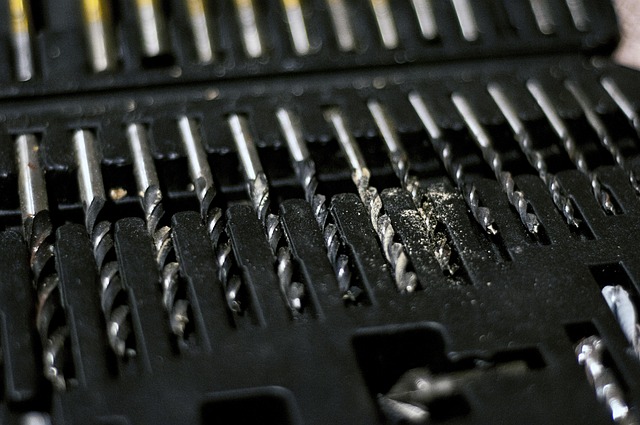
Overview of China’s Tungsten Production Capacity
China accounts for roughly four-fifths of global tungsten output. This concentration allows Beijing to influence both price and availability across international markets. Government export controls further reinforce its command over critical mineral flows, aligning with broader national strategies on resource security. When export quotas tighten, downstream industries in Europe or North America immediately feel the pinch through higher tool and component costs.
The Role of Tungsten in Industrial and Defense Applications
Tungsten’s remarkable hardness and high melting point make it indispensable for aerospace engines, armor-piercing ammunition, and precision machining tools. Carbide drill bits—essential for oil exploration, metalworking, and construction—depend heavily on tungsten carbide composites bonded with cobalt or nickel. Because viable deposits outside China are scarce, nations reliant on imported tungsten face heightened strategic exposure during trade disruptions or conflicts.
Carbide Drill Bits as a Key Source of Secondary Tungsten Supply
With primary mining concentrated in one country, secondary recovery from scrap has become a vital alternative source.
Understanding the Composition of Carbide Drill Bits
Carbide drill bits consist mainly of tungsten carbide particles cemented with metallic binders such as cobalt or nickel. Their extreme durability makes them ideal candidates for recycling once dull or fractured. Each ton of recycled carbide yields nearly as much usable tungsten as freshly mined ore but with lower environmental impact.
The Economics of Tungsten Scrap Recovery
Recycling old drill bits reduces dependency on new mining operations while conserving energy. However, Chinese buyers have disrupted traditional scrap markets by offering up to five times prevailing rates to secure material streams abroad. This aggressive purchasing behavior has drawn scrap away from domestic recyclers in Western countries, creating a feedback loop where local recovery becomes economically unviable without subsidies.
The U.S. Withdrawal from Domestic Tungsten Mining
America’s exit from primary tungsten extraction reshaped its industrial supply landscape.
Factors Behind the Decline in U.S. Tungsten Production
Rising environmental compliance costs and low global prices rendered U.S. mines uncompetitive by mid-2010s. The last operational mine closed in 2015 after years of financial strain and regulatory hurdles. Since then, imports—mostly from China—have filled the gap even as domestic demand for carbide tooling continues to climb across defense and manufacturing sectors.
Implications for Strategic Material Security
Without local production or robust recycling systems, U.S. industries remain exposed to foreign supply shocks. Dependence on overseas scrap buyers undermines internal resource recovery programs that could otherwise stabilize feedstock availability. Policy frameworks still lack incentives for building regional collection networks or maintaining strategic reserves comparable to those used for oil or rare earths.
China’s Scrap Acquisition Strategy and Global Market Influence
China’s approach to securing secondary tungsten mirrors its tactics in other critical minerals: buy aggressively, consolidate supply chains, and dictate market terms.
How Chinese Traders Dominate the Scrap Supply Chain
Chinese traders directly contact scrapyards worldwide—sometimes cold-calling operators—to purchase worn carbide drill bits at premium prices. By paying multiple times above spot value, they guarantee priority access to high-grade scrap that can be refined domestically into new tungsten products. This consolidation strengthens China’s role as both primary miner and secondary processor.
Impact on Global Pricing Dynamics and Industrial Competitiveness
Such inflated bidding distorts recycling economics elsewhere. Western recyclers struggle to compete for feedstock when Chinese buyers set artificially high benchmarks. Manufacturers relying on carbide tooling face rising input costs that erode competitiveness against Asian producers who benefit from cheaper recycled materials within integrated Chinese supply chains.
Technological Advances in Carbide Processing and Laser Machining Integration
Emerging technologies may help offset dependence by improving material efficiency and extending tool life cycles.
Innovations in Laser Machining with Carbide Materials
Laser machining now enables precision shaping of tungsten carbide parts without physical wear on tools. Ultrafast laser systems can microstructure surfaces or refurbish worn edges with micron-level accuracy—a crucial advantage when dealing with expensive materials like carbide drill bits. Integration into automated production lines enhances throughput while reducing waste from mechanical grinding losses.
Opportunities for Reducing Dependence Through Advanced Manufacturing Technologies
Additive manufacturing combined with laser machining offers pathways to reclaim carbide directly from used components through localized processing centers. Closed-loop production systems could recycle worn tools into new ones within regional hubs, minimizing transport costs and raw material imports. Over time, these advances may ease pressure on global tungsten supplies while promoting sustainable manufacturing ecosystems.
Strategic Pathways Toward Material Independence and Sustainability
Securing long-term access to tungsten requires coordinated action among industry players, policymakers, and research institutions.
Strengthening Domestic Recycling Infrastructure
Building regional networks dedicated to collecting spent carbide tooling ensures consistent feedstock flow for refiners. Collaboration between manufacturers and recyclers can improve recovery yields through better sorting technologies and metallurgical processes tailored to mixed-metal scraps common in industrial waste streams.
Policy Measures to Counter Supply Chain Concentration Risks
Governments can mitigate risk by providing incentives for secondary material recovery such as tax credits or grants tied to recycling performance metrics under ISO sustainability frameworks. Establishing strategic reserves of critical minerals like tungsten would also buffer short-term disruptions caused by geopolitical tensions or export restrictions from dominant suppliers.
FAQ
Q1: Why does China dominate global tungsten production?
A: It holds around 80% of global mining capacity supported by state-backed policies that prioritize control over critical minerals essential for industrial growth.
Q2: What makes carbide drill bits valuable for recycling?
A: They contain high concentrations of tungsten carbide bonded with cobalt or nickel, allowing efficient recovery through established metallurgical processes.
Q3: How did the U.S. lose its domestic tungsten industry?
A: Rising environmental costs and falling prices forced mine closures by 2015, leaving imports as the only major source of supply.
Q4: What role does laser machining play in reducing dependence?
A: Laser machining enables precise cutting and refurbishment of carbide tools without mechanical wear, extending their service life and reducing raw material demand.
Q5: What policy actions could improve material security?
A: Incentivizing recycling infrastructure development and creating strategic stockpiles can reduce exposure to foreign supply disruptions while supporting sustainable industrial practices.


