
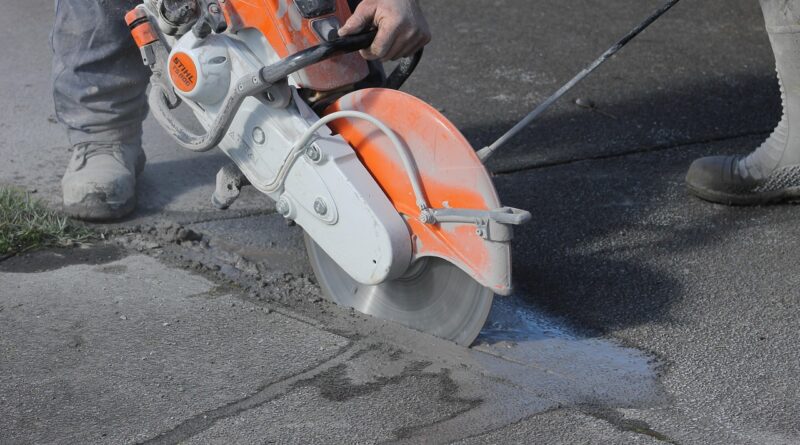
STIHL power washer guide for electric, battery and gas models
Which STIHL power washer makes sense?
A STIHL power washer is not one universal machine. The lineup covers corded electric, battery-powered and gasoline pressure washers, each suited to different cleaning conditions. For many homeowners, an electric RE-series unit is the practical starting point because it is quieter, easier to store and suitable for cars, patio furniture, siding touch-ups and routine deck cleaning. Battery REA models are useful when outlet access or a fixed water connection is inconvenient. Gas RB models make more sense for large concrete areas, farm equipment, commercial cleanup and repeated heavy-duty work.
The main buying decision should not be based on psi alone. Water flow, hose length, accessory compatibility, power source, storage needs and surface risk all affect how well the machine fits the job.
Power washer or pressure washer
Searchers often use the phrase “STIHL power washer,” while STIHL’s U.S. materials generally describe these machines as pressure washers or high-pressure cleaners. In everyday buying language, the terms are often used interchangeably. The important point is the cleaning method: these machines force water through a nozzle at high pressure to remove dirt, mud, mildew, loose paint and buildup from hard surfaces.
That same force can damage softer materials if the washer is used carelessly. Wood grain can fuzz, vehicle trim can lift, mortar can erode and painted surfaces can strip before the user intends it. A more powerful model is not automatically the better choice. The right STIHL power washer is the one that matches the surface, the available water supply and the amount of cleaning work expected.
Current STIHL pressure washer lineup at a glance
Manufacturer-published U.S. product information available in September 2026 shows three main STIHL pressure washer families: corded electric RE models, battery-powered REA models and gasoline RB models. Dealer availability, prices and specifications can change, so the table below should be read as a practical comparison rather than a permanent catalog listing.
| Category | Representative models | Published output range | Typical fit | Main limitation |
|---|---|---|---|---|
| Corded electric | RE 90 PLUS, RE 100 PLUS CONTROL, RE 110 PLUS | About 1,800 to 2,000 psi, commonly around 1.2 gpm in published comparison data | Routine residential cleaning, vehicles, decks, furniture, siding and small driveways | Needs outlet access and has lower water flow than gas models |
| Battery powered | REA 60 PLUS, REA 100 PLUS | REA 60 PLUS is published at 1,500 psi continuous and 1,900 psi maximum; REA 100 PLUS is published at 1,800 psi continuous and about 2,200 psi maximum | Portable cleaning where a cord is inconvenient, especially around yards, vehicles and remote areas | Runtime depends on battery selection, task intensity and water supply setup |
| Gasoline | RB 200, RB 400 DIRT BOSS, RB 600, RB 800 | About 2,500 to 4,200 psi and 2.3 to 4.0 gpm in published specifications | Large concrete areas, construction cleanup, equipment washing and heavier outdoor work | More noise, fuel, exhaust, maintenance and storage requirements |
The pattern is straightforward: electric and battery units prioritize convenience and controlled residential cleaning, while RB gasoline units provide much higher water volume and faster cleaning on larger or tougher jobs.
Why psi is only part of the comparison
Pressure is the specification most buyers notice first, but flow rate often determines how quickly a pressure washer cleans. Psi describes force. Gallons per minute, or gpm, describes how much water the machine delivers. A narrow, high-pressure stream can cut through grime, while higher water volume helps rinse debris away and cover more area.
A simple comparison metric is “cleaning units,” calculated by multiplying psi by gpm. It is not a complete engineering standard, but it helps explain why a gas machine can feel much faster than an electric unit even when the psi figures do not appear dramatically different.
| Model or family | Published pressure | Published flow | Approximate cleaning units |
|---|---|---|---|
| RE 110 PLUS | 2,000 psi | 1.2 gpm | 2,400 |
| RB 200 | 2,500 psi | 2.3 gpm | 5,750 |
| RB 400 DIRT BOSS | 2,700 psi | 2.7 gpm | 7,290 |
| RB 600 | 3,200 psi | 3.0 gpm | 9,600 |
| RB 800 | 4,200 psi | 4.0 gpm | 16,800 |
This gap explains why an electric STIHL power washer can be perfectly adequate for a car, patio set or small deck but slow on a long driveway. It also explains why a large gas unit may be too aggressive for delicate surfaces. More cleaning units can save time, but only when the surface can safely handle the pressure and the water supply can feed the machine properly.
Electric vs battery vs gas models
Corded electric RE models
Corded electric units are the easiest category to justify for occasional residential use. The RE 90 PLUS and RE 100 PLUS CONTROL are compact, light enough for frequent handling and designed around low-noise, zero-exhaust operation. The RE 100 PLUS CONTROL adds pressure adjustment and a 3-in-1 nozzle concept, which helps when moving between durable and more delicate surfaces. The RE 110 PLUS raises the published output to 2,000 psi at 1.2 gpm and uses a built-in pressurized hose reel and brushless motor.
The tradeoff is range. The user needs safe access to power, water and enough hose length to move around the work area. Electric units also clean more slowly on broad concrete than gas units because their flow rate is lower. For many home cleaning tasks, that limitation can be useful because it reduces the chance of over-aggressive cleaning.
Battery-powered REA models
Battery pressure washers solve a different problem: mobility. The REA 60 PLUS uses the AK battery platform and is published with 1,500 psi continuous pressure and a 1,900 psi maximum pressure. The REA 100 PLUS uses the AP or ALLPRO/AP battery system and is published with 1,800 psi continuous pressure and roughly 2,200 psi maximum pressure. Both emphasize portability, a 3-in-1 nozzle and operation without being tied to a wall outlet.
This makes the REA category useful around detached garages, garden areas, trailers and other places where dragging an extension cord is impractical. The limitation is that battery runtime and cleaning pace must be considered before purchase. A battery model can be more flexible than a corded washer, but it does not replace a gas unit for long commercial cleaning sessions or heavy concrete restoration.
Gasoline RB models
The RB line is where STIHL moves from convenience cleaning to high-output work. The RB 200 is a residential gas model with 2,500 psi and 2.3 gpm. The RB 400 DIRT BOSS raises output to 2,700 psi and 2.7 gpm and adds more heavy-duty construction features. The RB 600 and RB 800 are positioned for professional applications, with the RB 800 reaching the highest published output in the group at 4,200 psi and 4.0 gpm.
Gas models require more ownership discipline. They need fuel, oil checks, winterizing, adequate ventilation, correct storage and more attention to pump and engine care. Several STIHL gas pressure washer pages also note purchase or delivery restrictions in California, so local availability should be confirmed before comparing prices.
Match the model to the job, not the largest number
For vehicles, outdoor furniture and light siding work, a compact electric or battery STIHL power washer is usually the sensible starting point. Use a wider fan pattern, keep the nozzle moving and stay back from trim, seals, decals and older paint. The goal is controlled rinsing, not maximum cutting force. See also: Bolts & Fasteners.
For decks and fences, pressure control matters more than headline psi. Wood varies widely by species, age, finish and moisture content. A lower-pressure setting, wider nozzle and hidden test area are safer than starting with a rotary or narrow jet. If the goal is refinishing, pressure washing should be followed by drying, inspection and sanding or scraping where needed.
For driveways, pavers and concrete, output and accessories become more important. A 2,000 psi electric unit can clean smaller spots, but it may be slow across a large slab. Gas models with higher gpm clean broader areas faster, especially when paired with a compatible surface cleaner. Old concrete, cracked pavers and weak mortar joints still require caution.
For paint removal, STIHL’s guidance has referenced pressure washers rated between 2,000 and 4,000 psi for efficient removal on wood, metal or concrete. That range should be treated as task guidance, not permission to blast every surface. Lead paint, fragile siding and historic masonry require additional precautions and may call for professional methods.
For workshops, farms, construction sites and equipment cleanup, the RB 600 or RB 800 category is where the comparison changes. Their higher flow, longer hose options and professional positioning make more sense for repeated work. The cost and maintenance burden are harder to justify if the machine will only be used a few weekends a year.
Buying and ownership considerations
Before choosing a STIHL power washer, confirm the practical details that do not always show up in a simple psi comparison. Check whether the model’s hose length is enough for the work area, whether the spray nozzles match the surfaces cleaned most often, and whether the desired accessories are compatible with that specific series. Accessories for electric, battery and gas models are not always interchangeable.
Water supply is another common constraint. A pressure washer cannot perform properly if the inlet water supply is too weak. Higher-gpm gas units need more incoming water than compact electric machines. If the supply is inadequate, cleaning performance drops and the pump may be stressed.
Safety should also shape the purchase. STIHL safety materials emphasize reading the instruction manual, wearing protective goggles and closed-toe shoes, placing the machine on a flat surface, never aiming the spray at people or pets, and releasing built-up pressure before disconnecting hoses or nozzles. Those steps sound basic, but they prevent many mistakes that damage surfaces or injure users.
If you are comparing several tool categories before buying, the Tools & Power section has more practical equipment guides for homeowners, contractors and workshop users.
Frequently asked questions
Is a STIHL power washer the same as a STIHL pressure washer?
In common search language, yes. “Power washer” is the phrase many buyers use, while STIHL usually uses “pressure washer” or “high-pressure cleaner” in official product descriptions. The key is to compare pressure, flow, power source and intended use rather than focusing on the wording.
Which STIHL pressure washer is practical for most homeowners?
A corded electric RE model is usually the practical starting point for routine residential work. The RE 90 PLUS and RE 100 PLUS CONTROL suit lighter cleaning and portability, while the RE 110 PLUS offers higher published electric output. Homeowners who need cordless mobility should compare the REA 60 PLUS and REA 100 PLUS.
When does a gas STIHL pressure washer make sense?
A gas RB model makes sense when cleaning speed, water flow and heavy-duty outdoor use are more important than quiet operation and compact storage. Large concrete areas, equipment washing, farm cleanup and professional work are stronger reasons to step into the RB range.
Can a battery STIHL pressure washer replace a gas model?
For portable residential cleaning, often yes. For extended heavy-duty work, usually no. Battery models are valuable when an outlet is inconvenient, but gas models still deliver more water volume and are better suited to long, demanding jobs.
What should I check before buying?
Check the available power source, water supply, storage space, hose length, nozzle options, accessory compatibility and local dealer availability. Also confirm current pricing and regional restrictions because product availability can vary by market and change over time.


