
What Makes Aluminum Sand Casting a Versatile Manufacturing Solution
Why Is Aluminum Sand Casting Considered Versatile?
Aluminum sand casting stands out for its flexibility and low costs. This makes it a top pick in today’s factories. The method works well with many design types. It keeps things affordable no matter the production size. For businesses that need options in testing ideas or making lots of items, this way strikes a good balance. It gives good accuracy without breaking the bank. In my view, it’s like a handy tool that fits most jobs without much fuss.
Adaptability to Complex Designs
Aluminum sand casting handles tricky shapes and fine details better than some other ways. Other methods might have trouble with those. Sand molds let you make parts with cuts, holes, and odd forms. You don’t need pricey tools for this. So, it fits well for things like engine covers or plane supports. Here, getting the shape just right is key. Think about a car part that needs to fit perfectly—sand casting makes that possible without extra hassle.
Cost-Effective Production
A big reason aluminum sand casting stays common is its cheap setup. Sand molds cost little to make. This helps with small runs or big ones. It skips the need for costly lasting molds. Makers can tweak designs fast. They avoid big money hits. This draws in folks making special or one-off pieces. For example, a shop might run 100 units one month and 1,000 the next. Sand casting handles both without much change in price.
Wide Range of Applications
The flexibility of aluminum sand casting shows up in many fields. These include cars, planes, boats, and building. In car making, it shapes cylinder heads and gear boxes. Aluminum’s light build helps there. Plane experts like how it makes tough but light parts for structures. Builders use it for fittings that fight rust well. One time, I heard about a boat maker who switched to this for hull parts. It cut weight and held up in salt water just fine.
How Does Aluminum Sand Casting Work?
The aluminum sand casting steps turn raw metal into ready parts. Each part of the job matters for the end result. From building the mold to adding final touches, control keeps quality high.
Mold Creation Process
A pattern, often from wood, plastic, or metal, shapes the sand. It forms a space that matches the part you want. The sand gets packed tight. Then, the mold gets binders or covers to make it stronger. This also helps the surface look better before you pour. It’s a simple start, but skipping care here can lead to rough spots later.
Melting and Pouring of Aluminum
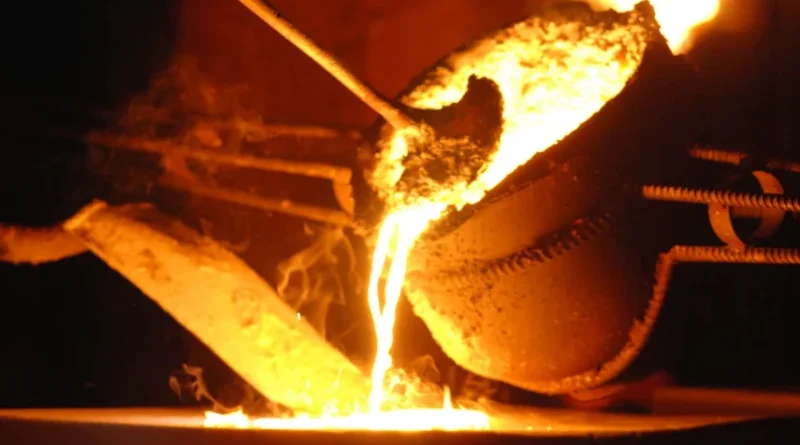
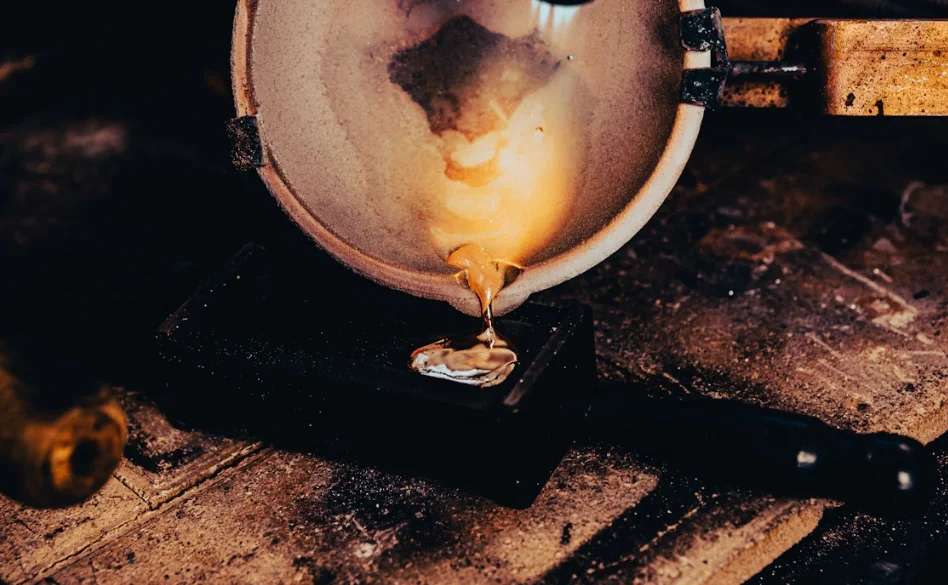
The aluminum mix heats up in a furnace. It turns to liquid at the right heat. Then, workers pour it into the sand mold’s space. A gate system guides the flow. It cuts down on swirls. Watching the heat closely matters a lot. This helps the metal set evenly. Pour too hot, and you get weak spots. Too cool, and it clogs.
Cooling and Finishing Steps
Once the mold fills, the metal cools down. It hardens into the shape. When it’s solid enough, they shake off the sand mold. This shows the basic casting. Next come clean-up jobs. These include cutting extras, grinding, or smoothing. They match the exact sizes and looks needed. In a busy shop, this step might take hours, but it makes the part ready for use.
What Are the Advantages of Using Aluminum in Sand Casting?
Aluminum’s traits make it a solid choice for sand casting. It works where strength and long life count most.
Lightweight Properties of Aluminum
Aluminum weighs less than metals like steel or copper. This lets you build light parts that stay strong. In trucks or planes, less weight means better gas savings or more load room. It’s a real win. For instance, a bike frame from this can shave pounds off without losing ride safety.
Excellent Corrosion Resistance
Aluminum builds a thin skin of oxide in air. This blocks water and chemicals. So, it resists rust well, even in tough spots like sea air or factory fumes. No need for extra coatings most times. I’ve seen outdoor signs last years without a spot of trouble thanks to this.
High Thermal Conductivity
Aluminum moves heat fast. This helps parts like coolers or motor bits stay at even temps. In hot work, that’s vital. It cuts down on overheat risks. Picture an engine block—it spreads heat so no part gets too warm.
How Does Quality Control Impact Aluminum Sand Casting?
Checking quality matters in every step of aluminum sand casting. It keeps parts steady in strength and size from one batch to the next. Good checks cut waste and build trust.
Importance of Mold Inspection
Before pouring, look over the molds. Spot cracks or off spots that hurt size or smoothness. Right prep lowers bad parts. It boosts steady output in big jobs. A quick check can save a whole day’s work, based on shop stories I’ve heard.
Monitoring Metal Composition
Keep the mix steady for sure strength or bend. Small changes in bits like silicon or magnesium shift how it hardens. This affects the whole piece. Test often to stay on track. In one case, a foundry fixed a weak batch by tweaking just 0.5% of an element.
Post-Casting Testing Procedures
After the pour, use safe checks like X-rays or sound waves. These find hidden bubbles or junk inside. They make sure the part holds up in real use. No weak spots slip through. This step adds peace of mind for high-stakes jobs, like plane parts.
What Are the Challenges in Aluminum Sand Casting?
Aluminum sand casting has perks, but it comes with hurdles. These need close watch to get good results.
Managing Shrinkage During Solidification
Hot aluminum shrinks as it cools. This can pull in gaps if not handled. Teams add risers or cool spots in molds. They fix the pull so sizes stay true. No holes form in thick areas. It’s tricky, but common fixes work well in practice.
Controlling Porosity Levels
Air can trap in during the pour. This makes tiny holes if ignored. Shops use gas removers or pull methods. They clear bubbles before the pour. This keeps the metal solid. In busy lines, this step might add 10 minutes, but it pays off in fewer rejects.
Surface Finish Considerations
Sand molds give okay surfaces for most needs. But for smooth fits or looks, add blasts or cuts. These polish it up. It’s extra work, yet needed sometimes. A rough edge might jam in assembly, so finishing matters.
How Does Technology Enhance Aluminum Sand Casting Processes?
New tools have sharpened old aluminum sand casting ways. They boost accuracy, sameness, and speed. It’s exciting how far it’s come.
Use of Computer-Aided Design (CAD)
CAD lets folks draw shapes on screens first. Before making real patterns, they test ideas. 3D tools spot cool-down issues early. This cuts trial time. For a complex bracket, it might save weeks of tweaks.
Implementation of Automation
Machines take over boring jobs like moving molds or pouring. They cut mistakes from people. Robots with heat checks pour steady. This helps big runs stay reliable. One factory I read about doubled output with these setups.
Advances in Material Science
Ongoing work on aluminum types opens new doors. Mixes for better strength per pound or heat hold now fit old sand ways. They tackle jobs once seen as too hard. It’s like unlocking levels in a game—more options each year.
Why Choose Aluminum Sand Casting Over Other Methods?
Next to ways like die casting or wax casting, aluminum sand casting shines for bend and low start costs. It’s great for changing designs or small lots. Not always the fanciest, but often the smartest pick.
Comparison with Die Casting
Die casting needs steel tools for high push. Those cost a lot and suit huge runs to pay back. Sand casting uses throw-away molds at low price. It gives solid parts for mid sizes. No big up-front hit. For 500 units, it’s often cheaper and quicker.
Benefits Over Investment Casting
Wax casting gets fine lines but takes many steps with patterns. That drags out wait times. Aluminum sand casting speeds things for big pieces. It skips tiny details if not needed, but keeps sizes right. Turnaround can be days, not weeks.
Versatility Compared to Permanent Mold Casting
Lasting mold ways use metal forms that limit shapes. Hard sides block deep cuts or pockets. Sand setups shape each mold fresh per need. No wait for new tools. This freedom fits custom work best.
FAQ
Q1: What makes aluminum sand casting different from other metalcasting methods?
A: It uses disposable sand molds rather than permanent ones, providing greater design freedom at lower tooling costs compared with die or permanent mold processes.
Q2: Can aluminum sand castings achieve tight tolerances?
A: While not as precise as die castings initially, post-machining operations allow castings to meet tight tolerance requirements effectively when needed.
Q3: Is aluminum recycling possible within the sand casting process?
A: Yes, excess sprues and runners are often remelted back into furnaces for reuse without degrading material quality significantly.
Q4: What factors influence surface roughness in aluminum castings?
A: Grain size of molding sand, binder type used during preparation, and cooling rate all contribute directly to surface texture outcomes after solidification.
Q5: How does automation improve consistency in foundries using this method?
A: Automated pouring systems regulate metal flow precisely across cycles which minimizes defects like turbulence-induced porosity while improving throughput efficiency overall.


