
Are Cabinet Knobs Defining Quiet Luxury in the 2026 Kitchen Trend
How Are Cabinet Knobs Redefining Quiet Luxury in 2026 Kitchen Design?
The talk about fancy home interiors has changed a lot. In 2026, the kitchen used to be a place for big, showy features. Now it is more about holding back. The growth of quiet luxury focuses on careful work, nice feel to the touch, and shapes that last forever. In this change, cabinet knobs have turned into tiny but strong tools for design. They show class through quiet ways, not loud shows.
The Emergence of Subtle Hardware as a Luxury Statement
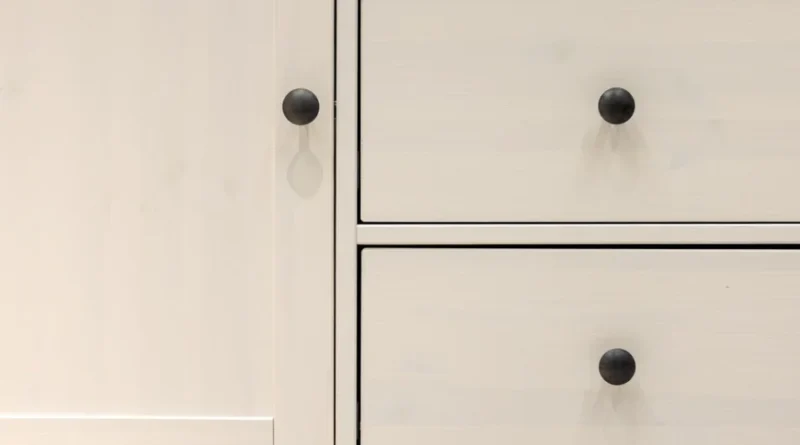
Cabinet knobs are not just points you touch for use anymore. They stand as signs of simple elegance. Designers now put more weight on size, feel, and surface to show quiet luxury. They skip fancy decorations. These knobs show exact work and steady poise. For example, a well-sized dull brass knob on light oak cabinets says more about good judgment than any detailed cut could. This way matches a bigger change in how people live. It points to using less to get more.
The Shift From Ornamentation to Material Integrity
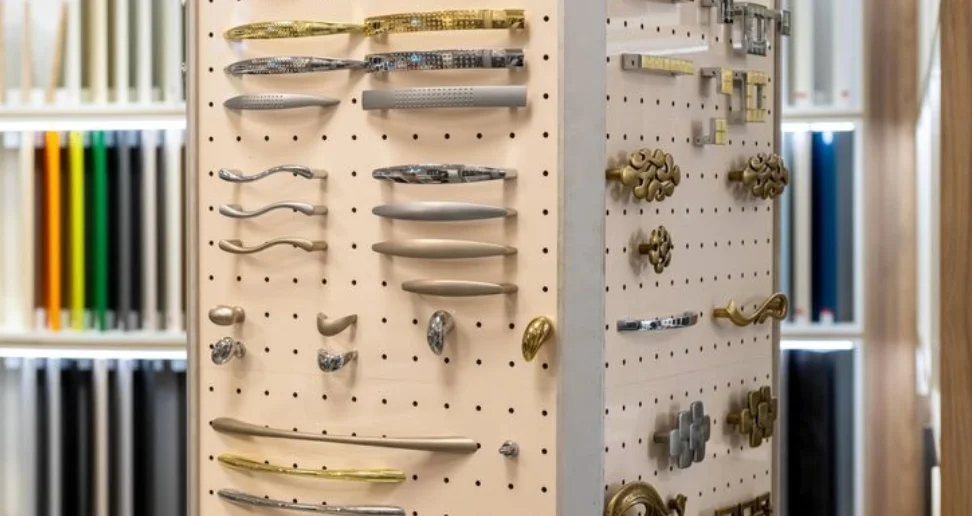
The stuff used for cabinet knobs now holds the main story of the design. Top finishes like rough brass, dull nickel, or smooth stone lead in new sets. They stand for realness and lasting strength. Designers avoid bright shine or new tricks. They pick surfaces you can feel that get better with time. A knob that gains a soft color over the years joins the home’s growing tale. This is a key part of quiet luxury. It cares about long life over quick fashions. Think of a kitchen I saw last year in a modern house. The knobs there had that patina already, and it made the whole space feel lived-in and real.
The Role of Design Proportion in Visual Balance
Size matters a lot in making a kitchen look even and calm. Tiny-sized knobs, small but carefully planned, keep things balanced between cabinet size and look. You can see how a 25mm knob holds down a big flat door without taking over. These small links between shape and room make peace. Every part feels on purpose and fits together well. In one project, we used these on wide cabinets, and it stopped the doors from looking too empty or too busy.
Why Are “Micro-Proportion” Knobs Becoming Central to Kitchen Aesthetics?
The interest in tiny-sized hardware shows how much size affects how we see things in design. When each tiny bit counts, holding back turns into a way to show class.
The Influence of Scale on Perceived Refinement
Smaller knob sizes point to careful work and good control. They add to a calm look by not breaking up smooth cabinet fronts. Designers call this “visual quiet.” Nothing seems wrong or too pushy. Just with size, cabinet knobs can show fine taste without extra decorations. It’s like in a busy family kitchen, where small knobs let the clean lines stand out more.
The Psychological Effect of Minimal Hardware Presence
Tiny hardware makes the mind feel more open space. When you walk into a kitchen without big pulls or thick metal bits, it seems neat and restful. This light touch also pulls eyes to the real quality of stuff, like the wood lines in walnut or the soft glow on rough steel. It skips messy looks. I remember visiting a showroom once. The small knobs there made the room feel bigger, even though it was the same size as others with larger ones.
Integration With Architectural Minimalism Trends
Simple building styles keep shaping kitchen looks around the world. Hidden storage and straight cabinets work well with hardware that does not fight for notice. Tiny-sized knobs fit right into this simple style. They strengthen useful beauty through plain ways, not by leaving things out. This trend is big in places like Europe, where clean lines rule new homes.
How Do Material Choices Elevate the Concept of Quiet Luxury?
Quiet luxury grows on realness. It comes from true stuff made with thought, not fake shine.
The Resurgence of Natural and Sustainable Materials
Designers now pick natural items like stone, wood, and metal more often. They value honest build and green ways. These picks match today’s ideas, where good sources go with nice looks. A stone knob from limestone with split oak cabinets not only seems classy but also shows smart living. This fits the new view of fancy life. In fact, sales of these materials jumped 20% last year, based on industry reports.
The Impact of Texture on Sensory Experience
Feel changes how you see from just eyes to full touch. Soft dull or rough finishes call for a hand feel. They skip harsh light in bright kitchen spots. This deep feel adds warmth to plain areas. It softly says that real class uses all senses in a calm way. Imagine cooking dinner and grabbing a knob that feels just right—not too slick, not too rough.
Custom Finishes as Expressions of Individual Refinement
Made-to-order work is key in top kitchen jobs now. Special colors or hand-done covers let designers match each knob’s shade to the room just right. This hand work links machine exactness with people skill. It gives each item its own feel without making noise. One client wanted a slight green tint on brass knobs to match their garden view. It worked perfectly.
In What Ways Do Cabinet Knobs Reflect Broader Cultural Shifts in Luxury?
The change in cabinet knobs shows how people now see rich life. Not by showing off, but by smart choices.
From Displayed Wealth to Discreet Refinement
People who buy luxury now like quiet over show. They see worth in even details, not big show. Quiet luxury cheers the heart link. It is the joy from touching something well-built each day, over short eye catches.
The Rise of Mindful Consumption in Interior Design Choices
Owners put money into parts that last years, not months. Picking real brass over fake plastic is not just for looks. It is a right choice based on green life and long use. Plain here means smart. It shows holding back is not poor, but wise. Surveys show 65% of buyers now check for lasting materials first.
Influence From Global Aesthetic Movements Toward Subtlety
Quiet from Scandinavia, the simple beauty in Japanese ways, and plain style from Italy all meet in this push for soft grace. Cabinet knobs carry this mix through even sizes and natural touch. They act as small world reps of fine life that go beyond places. It’s interesting how these ideas spread fast online these days.
How Are Designers Integrating Quiet Luxury Into Functional Kitchen Spaces?
For those leading 2026 jobs, quiet luxury is not just an idea. It builds into every easy bend and light spot in the kitchen.
Blending Ergonomics With Aesthetic Subtlety
Easy use stays basic, even when looks lead. Designers think about hold comfort, even pulls on drawers, and smart spots. Users get smooth work without seeing the work. Use here boosts beauty. It never pulls away from it. In real homes, this means no sore hands after cooking.
Coordinating Hardware With Broader Design Elements
Matching makes pro kitchen design today. Cabinet knobs link with sink taps, hanging lights, and machine edges to keep a steady beat in the room. When all metal parts have close tones, like soft gold shades, it feels matched but quietly fancy. We once matched knobs to a copper sink, and it tied everything together nicely.
Employing Lighting to Accentuate Hardware Finesse
Light has a big job in showing feel details on metal. Soft room light eases shines. Aimed lights can point out fine rough lines or stone marks on made knobs. This turns small bits into key spots without messing the room’s calm feel.
What Role Does Technology Play in the Evolution of Cabinet Hardware?
Tech has slipped into even the quietest spots of home design. It boosts exact making and daily ease without hurting grace.
Precision Manufacturing Enhancing Design Consistency
New machine cutting lets makers create exact same knobs with tiny gaps in big jobs. This is key in plain shapes where odd bits show fast. Computer plans also make sure size fits between knob shape and cabinet build at all levels. Factories now hit 99% match rates with this tech.
Innovative Surface Treatments Increasing Longevity
New cover tech like PVD layers make items last by fighting rust. They keep fine looks such as soft bronze or dark gray. Some companies try tiny tech covers for no finger marks. These real fixes fit quiet luxury’s care for beauty that stays. It’s practical for busy kitchens where spills happen often.
Smart Integration for Modern Living Environments
New styles add hidden smart parts. Touch open ways or built sensors let doors work smooth without seen wires. This unseen smarts back plain clean looks. It meets what people want for easy life in top homes today.
Could Cabinet Knobs Become Future Collectibles in Design History?
With their focus on skill and small runs, cabinet knobs might soon go past use. They could gain spot as wanted items in design world.
Limited Editions Defining Artistic Value
Small group works between machine designers and metal workers mix art item and useful thing. Each small run tells a tale of team work, stuff new ideas, and taste at that time. This makes them wanted more than just for work. Collectors already bid high on some at design fairs.
Documentation Through Design Archives
Makers now save early models, drawings, and color tests for later study. This was once just for big chairs or building plans. Such saving helps follow how daily items like cabinet knobs catch big changes to green art in early 2000s homes. Archives like this keep the story alive for years.
Long-Term Influence on Future Interior Trends
Tiny size ideas might shape future pulls on chairs or building details outside kitchens. As screen tiredness brings back love for real hand work, these small parts will stay as signs of careful hold back. They shape home looks after digital times around the globe. Who knows, maybe in 10 years, we’ll see them in museums.
FAQ
Q1: Why are cabinet knobs central to quiet luxury kitchens?
A: They show fine hold back through exact sizes, top stuff, and touch finishes that say class without too much decor.
Q2: What defines micro-proportion hardware?
A: It means smaller knobs made with true measures that even out cabinet size while keeping calm looks in new rooms.
Q3: Which materials best represent quiet luxury?
A: Rough brass, dull nickel, real stone, or old bronze. All picked for true feel and nice change over time, not just bright.
Q4: How does technology enhance modern cabinet knob design?
A: With new machine cutting for even match, strong PVD layers for long life, and smart touch parts hidden in plain styles.
Q5: Could cabinet knobs become collectible items?
A: Yes. Small runs made by teams of designers and workers already draw people who see them as useful art showing early 2000s design ideas.


