
What Makes Tube Stainless Steel 304 Compliant With ASTM A312 Specs
How to Read ASTM A312 Specs for 304 Stainless Tubing
The ASTM A312 specification sets basic rules for seamless, welded, and heavily cold-worked austenitic stainless steel pipes. For people who work with tube stainless steel 304, this standard is very important. It controls sizes, strength features, testing steps, and chemical makeup. Learning to read these specs helps check if the material follows the rules and works well in tough jobs. Think about places like chemical plants, oil and gas lines, or building supports. These spots need reliable parts.
Getting the hang of ASTM A312 details means you pick the correct material. You also make sure it fits your project’s needs and conditions. The paper can seem thick and hard at first. But if you know the key spots—like makeup charts, strength rules, and test parts—it turns into a handy guide. No more just a bunch of red tape. In my experience from factory floors, folks who skip this end up with headaches during installs.
What Does ASTM A312 Cover?
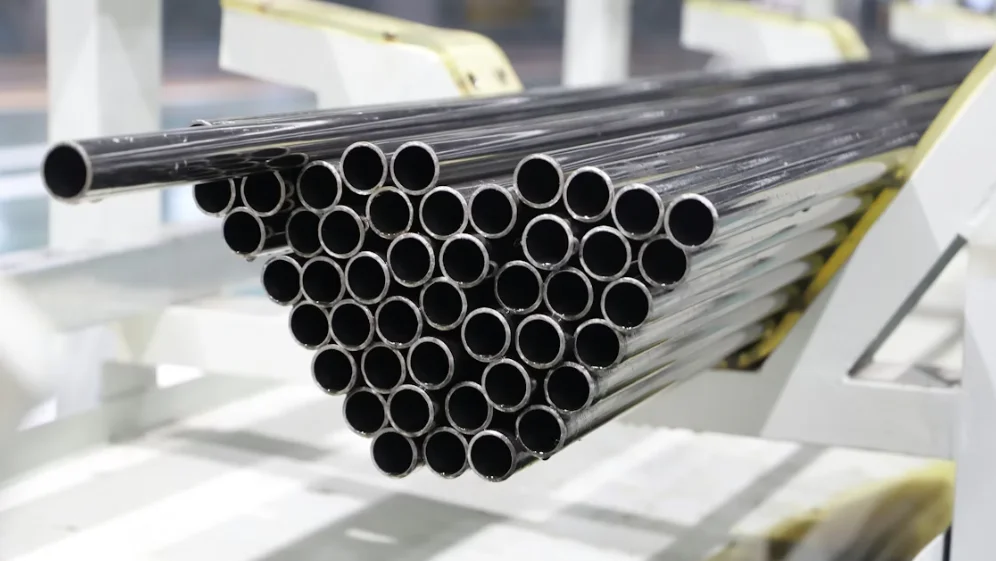
ASTM A312 deals with seamless and welded austenitic stainless steel pipes. These are made for high-heat use and fighting rust in general. It includes types like 304, 304L, 316, and more in that group. For tube stainless steel 304, the tubes must hit certain chemical ranges. Usually, that’s about 18–20% chromium and 8–10.5% nickel. This mix gives good rust protection and solid strength.
The standard explains making methods, like seamless or welded. It also covers finish steps, such as annealing or pickling. Plus, it says all pipes need hydrostatic tests or electric checks that don’t harm the item. Unless the buyer says no. These tests are key. They prove the tube can take inside pressure without leaks or breaks. I recall a project where skipping this led to a small leak in a pipeline—nothing major, but it cost time to fix.
Many workers look at Section 7 first. That part talks about heat treatment needs. For austenitic types like 304, they come annealed. This step brings back bendability after cold shaping. It’s straightforward, but vital for keeping the material flexible.
How Are Dimensional Tolerances Defined?
Dimensional tolerances in ASTM A312 follow strict limits. They make sure parts from different makers fit together. The spec sets rules for outside diameter (OD), wall thickness, and length. It differs for seamless or welded pipes. For instance, OD for pipes under 1 inch is ±0.010 inch. Bigger sizes get adjusted limits that match their scale.
When you handle tube stainless steel 304, checking these limits counts a lot. Small changes can mess up how things join during building or welding. The spec allows a bit of oval shape in round tubes. As long as the biggest and smallest diameters stay in the allowed range, it’s fine.
In real work, engineers grab calipers or micrometers. They measure OD at a few spots along the tube. If your job uses auto machines or tight fittings, sticking to these values saves money. No need for fixes later. Picture fitting tubes into a machine frame—off by a hair, and it jams.
What Are the Mechanical Property Requirements?
Mechanical properties show how a material acts under force. ASTM A312 gives clear targets for pull strength, bend strength, stretch, and hardness. For Grade 304 tubing, the basics are:
- Minimum tensile strength: 515 MPa (75 ksi)
- Minimum yield strength: 205 MPa (30 ksi)
- Minimum elongation: typically around 35%
These numbers mean tube stainless steel 304 has enough toughness. It fights bending under weight. The spec also guides on crush and expand tests. These check bendability and weld quality.
Crush tests squeeze a tube part between flat plates until cracks show. Expand tests push one end wider with a cone tool to spot splits. Both mimic stresses from real use, like during setup or running. In heat exchanger builds, where tubes twist into odd shapes, these limits are your starting point. One time, a team ignored elongation and had cracks after bending—lesson learned.
Overall, these rules keep things safe and predictable. You can count on the tube holding up in daily grind.
How Is Chemical Composition Verified?
Chemical makeup is the core of following ASTM A312. For Grade 304 tubing, chromium fights oxidation. Nickel boosts toughness in cold spots. Carbon stays low, max 0.08%. This cuts down on bad buildup during welding. That helps stop rust between grains.
Certificates list main parts: manganese up to 2%, silicon up to 1%, phosphorus max 0.045%, sulfur max 0.03%, chromium 18–20%, nickel 8–10.5%, and nitrogen up to 0.10%. These match Table 1 in ASTM A312.
To check, labs use light spectrum tests or X-ray glow checks. As an engineer or checker, always match the reports to your project’s needs. Even tiny shifts can hurt rust fight in salty places, like ocean setups. I’ve seen batches pass visual but fail in salt spray tests—double-check always.
It’s not just numbers; it’s about real-world staying power. In chloride-heavy jobs, like desalination plants, this verification keeps systems running smooth.
What Testing Procedures Apply?
Testing is a must for quality under ASTM A312. Every batch of tube stainless steel 304 gets hydrostatic tests or electric checks that don’t break it.
Hydrostatic means filling with water at set pressures. Often at least 1000 psi. This spots leaks. Non-harm options find flaws inside. Eddy current catches surface breaks. Sound wave tests find hidden gaps below the skin.
Visual looks check weld lines for evenness in welded tubes. Some jobs add extra tests, like rust pit checks per ASTM G48. That’s for chloride risks.
In fields like drug making or food handling, where clean is key, these steps do more than follow rules. They guard safety and cleanliness. Imagine a food line with a tiny flaw—could spoil a whole run. Better safe than sorry.
These procedures build trust in the material. You know it’s ready for the job.
How Do You Interpret Markings and Certification?
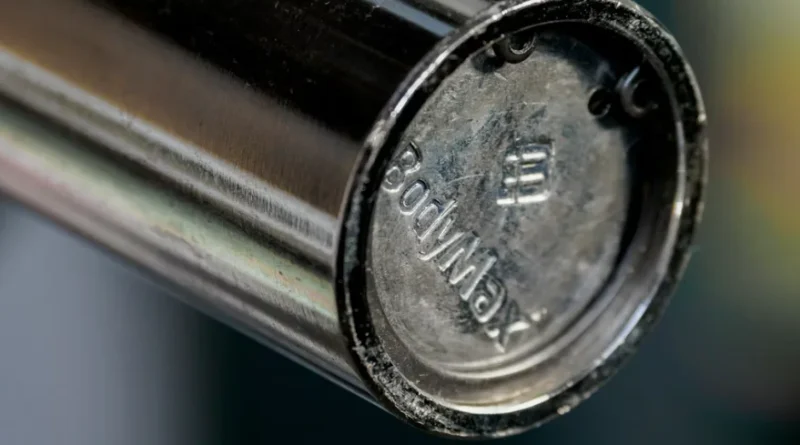
Markings on tubes help trace back to the make batch and tests. Per ASTM A312 Section 17, each pipe gets lasting marks. That includes the maker’s name or sign, grade like TP304, size schedule, heat number, and “ASTM A312” label.
When goods arrive for tube stainless steel 304, match the marks to mill test reports (MTRs). MTRs sum up chemical checks, strength data, heat steps, test types, and final looks. All signed by mill staff.
In strict areas like power plants or plane building, these papers are proof. Auditors need them for okay checks. It’s not extra work; it’s the backbone of trust. One audit I heard about flagged missing heat numbers—delayed a whole shipment by weeks.
Reading these right keeps your supply chain solid. No surprises down the line.
FAQ
Q1: What does TP mean in TP304?
A: TP means “Tube Pipe.” It shows the item fits pipe rules, not flat sheet ones from standards like ASTM A240. Simple way to spot the type.
Q2: Can ASTM A312 TP304 be used for cryogenic applications?
A: Yes, it holds up well in super cold. But watch weld designs. Ferrite can change hit strength below –196°C. In cryo tanks, this matters for no breaks.
Q3: Is there any difference between seamless and welded TP304 tubing?
A: Seamless handles higher pressure without weld lines, so it’s stronger in spots. Costs extra, though. Welded saves cash for normal pressure jobs. As long as welds pass full checks in Section 19 of ASTM A312, they’re good. I’ve used both—welded for budgets, seamless for high stakes.
Q4: How do you distinguish between TP304 and TP316 visually?
A: They look the same to the eye. Only lab tests show the molybdenum in TP316, about 2%. TP304 has none. No shortcut here; test it.
Q5: Are dual-certified TP304/304L tubes acceptable under ASTM A312?
A: Yes. Dual cert means low carbon for both. It fits the spec fine. Great for jobs needing weld-friendly low-carbon without switching grades. In pipe networks, this versatility cuts inventory hassles.


