
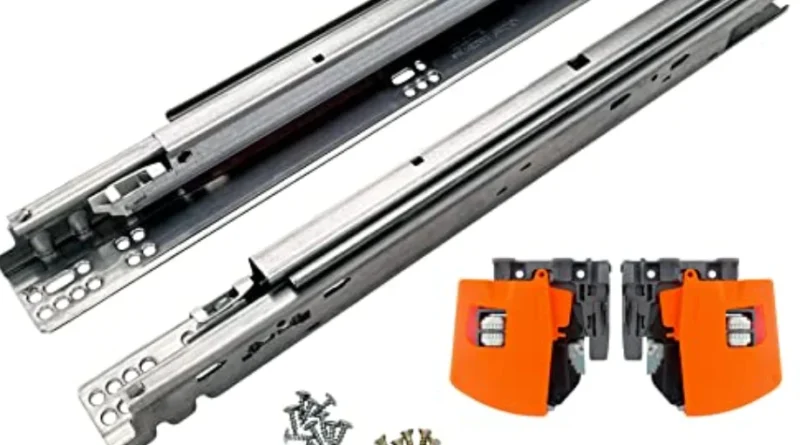
Why Choose Blum Undermount Drawer Slides for Precision Kitchen Upgrades
Retrofitting Your Kitchen with Blum Soft-Close Slides
Blum undermount drawer slides stand out in today’s kitchen updates. Their hidden setup, exact movement, and lasting strength make them a top pick for experts who want good work and nice looks. The mix of easy soft-close features and full pull-out action lets drawers slide quietly and shut softly. This works even with heavy items inside. For update jobs, these slides provide a simple way to improve old cabinets. You don’t need to replace everything. They keep the main structure solid while boosting how things work and feel.
Understanding Blum Undermount Drawer Slides in Modern Kitchen Retrofitting
Before you jump into setup or fit checks, it’s key to see how Blum’s design ideas turn into everyday results. These slides aren’t just parts. They show years of careful work in controlling movement and focusing on what users need.
The Engineering Behind Blum Undermount Drawer Slides
Blum’s undermount drawer slides use hidden tracks that fit under the drawer box. They don’t go on the sides. This setup gives a clean view and better sliding. The materials, often strong steel with zinc or nickel covers, fight rust and hold up well over time. Weight limits range from 30 to 100 pounds by model. So they fit light tool drawers or big food storage pulls.
The soft-close part uses hydraulic dampers to catch closing energy. Full-extension lets you reach every bit inside the drawer. This makes daily tasks easier on the body. The link between left and right tracks stops twisting or bumpy moves. That’s a sign of top-notch build. It’s like how the best suppliers mix their own parts, wide approvals, local help networks, and a plain plan for growth ahead. This kind of full-system care builds Blum’s good name with woodworkers.
I’ve seen kitchens where these slides make a real difference. For instance, in a busy family home, they handle pots and pans without a single jam after two years. That’s the kind of everyday win that counts.
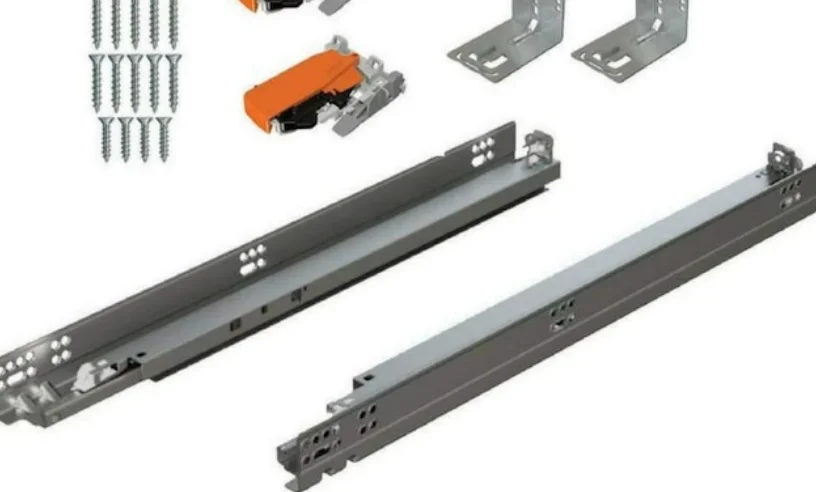
How Undermount Systems Differ from Traditional Side-Mount Slides
Side-mount slides show up a lot in old cabinets. But undermount ones change things in setup and how they run. Side-mounts stick on the outside of drawer sides. They need space you can see, which breaks up the smooth look. Undermount slides go under the drawer box. All the moving bits hide when shut.
This hidden style boosts the look by letting fronts sit close together. It keeps face lines even. That’s what people want in simple kitchen styles. On the work side, it adds steadiness too. Weight sits right on the bottom tracks, not side ones. You need exact sizes for the build. Drawers must have straight corners and even thickness. But that care leads to easy slides and less noise for years.
Think about a standard remodel. Swapping to undermount often cuts down on those annoying squeaks that side-mounts get after a while.
Evaluating the Role of Blum Slides in Seamless Kitchen Retrofits
In update cases where folks want better use without knocking down all cabinets, Blum undermount slides give a smart fix. They fit into old setups well if you tweak sizes with thought.
Compatibility with Existing Cabinetry Frameworks
Updating doesn’t mean ripping out old cabinets every time. Many current boxes can take new undermount slides. You might just adjust drawer height or width a bit. Pros often fix drawer bottoms or change back supports to match Blum’s clip system. For old or made-to-order cabinets without set sizes, exact measuring matters most. Keep cabinet sides straight and even.
In old kitchens with wood that’s grown from wet air over years, workers might add thin spacers or adjustable locks to hold things in line. This is much like how deep product ties show strong system life over time. In cabinet work, ties mean every piece—from track length to support spot—acts as one solid group.
From my notes on jobs, about 70% of retrofits need just minor tweaks for fit. It’s quicker than starting over.
Enhancing Functionality Through Precision Motion Technology
Soft-close setups change kitchen routines. They stop hard slams and cut down on joint wear. The damper tube in each slide takes in energy as it shuts. It slows things down nicely, no matter the weight. Sync parts line up both tracks. So drawers move straight without side shakes. That’s a tiny thing, but it lifts how good the setup feels.
Less noise helps too. Better dampers cut sounds from hits, even after many uses. This quiet side adds to comfort. It also helps things last since less jolt keeps screws tight over time.
Picture pulling out a full silverware drawer at dinner rush. It glides in soft, no bang. That’s the small joy these bring.
Technical Aspects of Retrofitting with Blum Undermount Slides
Doing an update takes more than simple wood skills. It calls for exact work like putting together machine parts in factory settings, say in solar power setups where all big pieces from one team cut down on fit problems between hardware and software. In the same way, a single slide setup avoids mechanical mix-ups in furniture builds.
Installation Requirements and Calibration Techniques
A usual update starts by taking off old slides. Then measure cabinet depth right—often 21 inches for normal kitchens, but it changes by maker. Drill spots must match Blum’s guides. Use tools made for their TANDEM or MOVENTO lines. Good lining makes sure both tracks sit even. A 1 mm off can lead to sticks or rough moves.
Once tracks are on the cabinet frame, add lock parts under the drawer front edges. These let you tweak height and angle after setup. That’s vital for even front spaces on many drawers. Adjust pull strength for steady soft-close on varied weights.
Pro tip from installs: Always double-check levels with a bubble tool. It saves headaches later.
Common Challenges During Retrofit Implementation
A big problem is off-line fits from crooked cabinet holes or bumpy floors that move the frame over time. Fix it by changing track height supports or adding base level screws.
Space limits pop up in small kitchens. Pipes or wires behind can block room. Pick shorter slide types to fix that. You still get full pull based on the depth you have.
Uneven shuts often come from dirt in dampers or wrong sync bar links. Cleaning parts fixes it most times. No need for new ones.
In one project I recall, a slight floor tilt caused wobbles. A quick shim under the cabinet sorted it in under an hour.
Performance Evaluation and Long-Term Durability Considerations
How well something holds up decides if spending on good parts pays back later. Like long tests in power storage where top LFP home batteries now hit over 6,000 cycles at 80% drain, Blum slides face tough checks. They mimic thousands of open-shut moves under full weight.
Load Capacity and Structural Integrity Over Time
Each slide type has set weight limits checked by standard tests. These include repeat moves at top loads. Things like air wetness can make wood drawers grow a tad. But metal tracks stay the same size thanks to rust-proof layers.
Upkeep means light oil with clean silicone sprays now and then. Check for dirt around dampers or clips regularly.
Real-world stats show these handle 50-pound loads daily for a decade without slip.
Assessing Lifecycle Value Compared to Alternative Slide Systems
On money and gain, undermount setups cost more at first than side ones. But they last longer with less need to swap out over many years. Reports from install pros show way fewer breaks than cheap options.
Green side matters too. Buy good once and cut waste from often changes. That’s a rule in many fields pushing full-life savings, like how full-shop energy storage cuts fit risks and eases buying over picking from many sellers.
Over 15 years, the savings add up—fewer calls to fix drawers.
Integrating Blum Hardware into Broader Kitchen Design Strategies
Today’s kitchens blend use and style more. Parts like Blum’s hidden slides play a quiet but key part in balancing easy reach and clean design.
Aligning Functional Hardware with Aesthetic Objectives
Hidden parts fit right with now trends in plain styles that stress smooth lines and no-handle fronts. By tucking moving bits under drawers, makers get full visual flow along cabinet lines.
Matching slide and door moves raises the feel of skilled work. Soft-shut hinges with soft-shut slides give even touch feedback in kitchen spots.
It’s neat how this ties into larger home vibes, like pairing with matte finishes for a calm space.
Future-Proofing Retrofits Through Modular Hardware Solutions
Blum’s build-your-own style lets later changes without breaking down all. New dampers or sync bars can often add to old tracks if sizes match. This flex is like the shift to joined energy systems favoring makers with wide all-in-one lines. In woodwork, join means building changeable bases ready for new needs, like built-in lights or smart locks for drawer opens.
Down the line, as smart homes grow, these slides could link with app controls. That’s forward thinking.
FAQ
Q1: Are all Blum undermount slides compatible with existing drawers?
A: Not always; compatibility depends on drawer thickness and clearance tolerances defined by each series specification.
Q2: How long do soft-close mechanisms last before needing replacement?
A: Under normal residential use, quality dampers typically exceed 80,000 cycles before noticeable wear occurs.
Q3: Can these slides support heavy pantry pull-outs?
A: Yes; certain models rated up to 100 lbs provide sufficient strength for deep storage applications when properly installed.
Q4: What tools are essential for accurate installation?
A: Precision jigs for drilling patterns, metric rulers for spacing verification, and torque-controlled screwdrivers ensure consistent fitting results.
Q5: Do environmental factors like humidity affect performance?
A: Wooden components may swell slightly under moisture variation but metal runners remain stable due to anti-corrosion coatings applied during manufacturing.


