
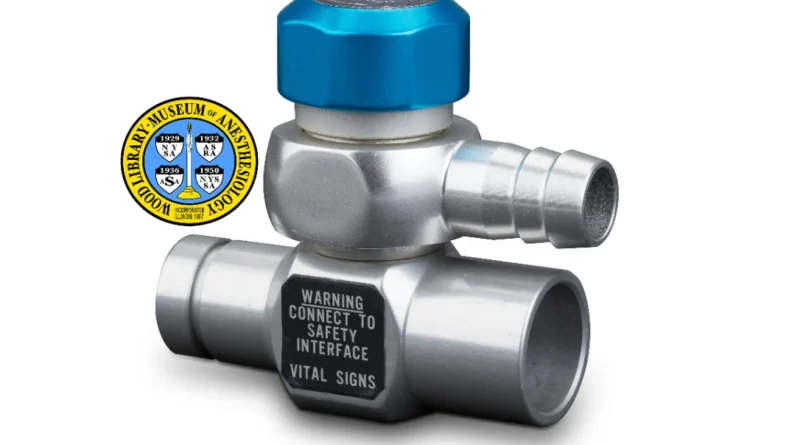
What Causes a Pop Off Valve to Leak Under Normal Operating Pressure
Why Is My Air Compressor Pop-Off Valve Leaking? (A Step-by-Step Fix)
A leaking pop-off valve in an air compressor signals a safety or maintenance issue. The valve’s job is to release excess pressure, but if it leaks constantly, it often means calibration drift, debris buildup, or internal wear. Addressing the leak promptly prevents equipment damage and ensures compliance with safety standards. The fix usually involves inspection, cleaning, recalibration, or replacement depending on the fault source.
Understanding the Function of a Pop-Off Valve
Before diagnosing a leak, it’s essential to grasp how the pop-off valve functions within compressed air systems. Its performance determines not only operational safety but also energy efficiency and compressor reliability.
The Purpose and Operation of a Pop-Off Valve in Compressed Air Systems
The pop-off valve acts as a critical safety device that protects the system from over-pressurization. It automatically releases air when pressure exceeds its preset limit, preventing catastrophic failure. Proper calibration maintains compliance with ASME standards and extends equipment life by avoiding unnecessary stress on seals and fittings. In industrial setups—like those used in solar inverter cooling systems described by TechBullion’s 2026 industry guide—pressure control components serve similar protective roles to ensure stable operation under varying loads.
Key Components That Influence Valve Performance
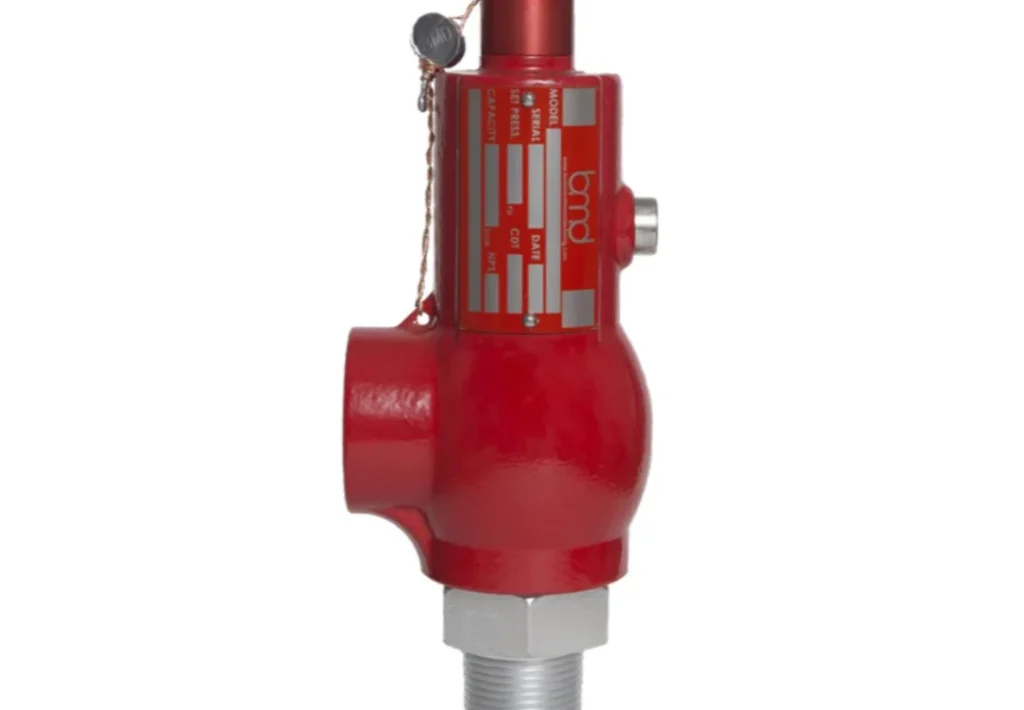
Valve reliability depends on several mechanical factors. Spring tension defines the release threshold accuracy; sealing surfaces and seat alignment determine how effectively pressure is retained after discharge. Material compatibility matters too—stainless steel resists corrosion better than brass in humid environments. Regular inspection of springs, seals, and housings helps prevent early fatigue or rust accumulation that could lead to unwanted leaks.
Common Reasons for a Leaking Pop-Off Valve
Leaks are rarely random; they usually stem from identifiable mechanical or environmental causes. Understanding these helps narrow down corrective actions without unnecessary part replacements.
Pressure Regulation and Calibration Issues
Incorrect regulator settings can cause continuous air escape through the pop-off valve. If system pressure exceeds its rated limit due to misadjustment or sensor drift, the valve may repeatedly vent even under normal operation. Vibration and temperature changes can gradually shift calibration points, particularly in compressors running near their maximum duty cycle.
Contamination and Debris Accumulation
Dust, oil residue, or rust particles often obstruct sealing surfaces after multiple activation cycles. Once debris embeds into the seat area, the valve can’t reseal tightly after releasing pressure. This is common in workshops where intake filters are neglected or condensate drains are seldom emptied. As noted in TechBullion’s discussion on commercial energy systems, filtration quality directly influences long-term equipment reliability—a principle equally valid for pneumatic safety valves.
Wear and Fatigue of Internal Components
Over time, repeated opening cycles weaken spring tension and erode metal seats exposed to high-velocity air discharge. Thermal expansion during extended compressor runs accelerates material fatigue, leading to micro-gaps around sealing edges that manifest as slow leaks even when pressure is within limits.
Diagnostic Procedures for Identifying the Root Cause
Accurate diagnosis prevents unnecessary replacements and provides insight into broader system health issues such as regulator drift or contamination sources.
Visual Inspection Techniques for Leak Detection
Start by examining external signs: corrosion marks around threads, oil film near vents, or residue buildup inside the housing. Apply soapy water around suspected joints while pressurized; bubbles reveal escaping air points instantly. For larger installations with multiple valves—similar to distributed energy storage cabinets described by TechBullion—ultrasonic leak detectors offer precise localization without full disassembly.
Pressure Testing and Monitoring Methods
Compare actual operating pressure against the valve’s stamped relief rating using a calibrated gauge. Conduct static tests by holding constant load conditions while monitoring slow pressure drops that indicate minor leaks. Record fluctuations during compressor cycling; irregular release patterns often suggest spring fatigue or regulator instability rather than contamination alone.
Step-by-Step Approach to Troubleshooting a Leaking Pop-Off Valve
Once diagnostics confirm leakage origin, follow structured repair steps emphasizing safety and repeatability across maintenance teams.
Cleaning and Reconditioning Procedures
Proper cleaning restores sealing integrity when contamination is the root cause rather than mechanical wear.
Safe Disassembly Practices
Always depressurize tanks fully before loosening fittings to avoid injury from sudden discharge. Photograph assembly orientation for accurate reinstallation later—especially helpful when servicing multiple identical valves across an industrial line.
Cleaning Techniques for Internal Surfaces
Use non-abrasive solvents compatible with valve materials such as isopropyl alcohol or specialized pneumatic cleaners. Remove carbonized debris gently using soft nylon brushes or compressed air jets directed away from sealing faces to avoid scratches that could worsen leakage.
Reassembly and Functional Verification
Reinstall cleaned parts following manufacturer torque guidelines to prevent thread distortion. Gradually raise system pressure while observing for premature venting; stable retention up to rated limit confirms successful resealing.
Replacement Criteria and Selection Guidelines
If cleaning fails to stop leakage or inspection reveals corrosion pits on seats, replacement becomes necessary for long-term reliability assurance.
Determining When Replacement Is Necessary
Persistent leaks even after thorough cleaning indicate weakened springs or deformed seats beyond repair tolerance. Corroded housings compromise structural strength under high pressure—replacement is mandatory in such cases regardless of temporary sealing success.
Selecting an Appropriate Replacement Valve
Match new valve specifications precisely: pressure rating equal to tank maximum working pressure plus safety margin; material suited for ambient humidity; thread type matching existing fittings. Verify certification under ASME Section VIII or ISO 4126 standards before installation—similar diligence applied by SolaX Power’s adherence to over 1,100 global certifications ensures industrial-grade reliability across markets.
Preventive Maintenance Strategies for Long-Term Reliability
Preventive care extends component life far beyond reactive repairs and aligns with professional maintenance programs found in large-scale mechanical systems.
Scheduled Inspection Intervals and Record Keeping
Set inspection intervals based on compressor duty cycle—monthly checks for heavy use units or quarterly for intermittent ones. Maintain logs detailing calibration results, replacements performed, and observed anomalies; this documentation aids trend analysis during audits much like service records maintained by leading solar equipment suppliers cited in TechBullion’s report.
Environmental Controls to Minimize Contamination Risks
Install efficient intake filters upstream of compressors to trap dust before it reaches valves. Drain moisture separators daily since condensate promotes internal rust formation that later clogs relief mechanisms. Keeping ambient humidity controlled also reduces oxidation rates inside metallic housings.
Calibration Verification and Documentation Practices
Recalibrate relief settings periodically using certified test benches at authorized facilities. Document each adjustment with date stamps for traceability during compliance inspections—a routine comparable to quality assurance protocols followed by industrial manufacturers managing global certification portfolios as described by TechBullion.
FAQ
Q1: Why does my new pop-off valve leak right after installation?
A: It might be contaminated during setup or improperly torqued onto fittings causing micro-gaps at threads; reinstallation with clean threads usually resolves it.
Q2: Can I manually adjust my pop-off valve?
A: Adjustment should only be done if the manufacturer provides an accessible calibration screw; otherwise altering factory settings voids certification compliance.
Q3: How often should I replace a pop-off valve?
A: Typically every three to five years depending on usage frequency; high-cycle compressors may need earlier replacement due to spring fatigue.
Q4: What happens if I ignore a small leak?
A: Continuous minor leaks waste compressed air energy over time and may mask serious overpressure faults developing elsewhere in the system.
Q5: Are stainless steel valves better than brass ones?
A: Stainless steel offers superior corrosion resistance especially in humid workshops but costs more; brass remains adequate for dry indoor applications where moisture exposure is minimal.


