
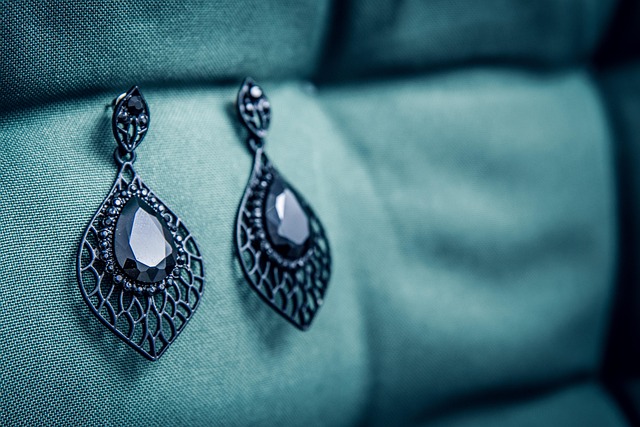
Are Gold Diamond Earrings Redefining Antique Jewelry Trends for 2026
Once Dated, This Antique Jewelry Trend Is Now Defining the Most-Wanted Pieces of 2026
Antique jewelry, once viewed as nostalgic collectibles, is now shaping the most desired designs of 2026. Gold diamond earrings and diamond nose studs are leading this resurgence, blending historical artistry with modern precision. The industry’s pivot toward heritage craftsmanship, sustainable materials, and digital authentication is redefining luxury. Collectors and designers alike are embracing antique-inspired pieces not just for their beauty but for their enduring cultural and economic value.
The Resurgence of Antique Jewelry in Modern Fashion
The renewed fascination with antique jewelry marks a shift from mere nostalgia to a deeper design philosophy. Contemporary creators reinterpret vintage aesthetics through advanced craftsmanship, creating pieces that feel both rooted and current.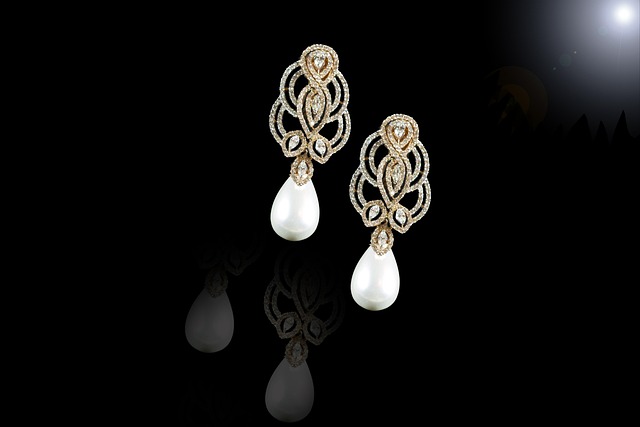
The Shift from Vintage to Contemporary Interpretations
Modern jewelers are reimagining antique forms by merging historical motifs with today’s minimalist sensibilities. Techniques such as hand engraving and filigree are being revisited using new technologies. This revival speaks to a wider cultural movement valuing authenticity and heritage design over mass production.
Cultural and Economic Factors Driving the Revival
Global luxury markets now emphasize longevity rather than transient trends. Collectors seek jewelry that tells a story—pieces with provenance and artisanal depth. Sustainability also plays a major role; restoring or repurposing antique jewelry reduces waste while preserving craftsmanship that might otherwise be lost.
Gold Diamond Earrings as the Centerpiece of the 2026 Trend
Gold diamond earrings have emerged as the defining accessory of this renaissance. Their blend of traditional goldsmithing with innovative gem-setting techniques makes them both timeless and forward-looking.
Redefining Luxury Through Heritage Craftsmanship
Designers draw heavily from Art Deco symmetry and Victorian romanticism, crafting earrings that balance geometric precision with floral delicacy. These designs appeal across generations by offering sophistication without ostentation. They embody a form of quiet luxury—rich in detail yet restrained in expression.
Design Evolution in Gold Diamond Earrings
The evolution of gold diamond earrings reflects how artisans fuse minimalism with intricate detailing, adapting classical elements for modern wearability.
Integration of Modern Minimalism with Classic Detailing
Contemporary silhouettes favor clean lines that frame complex diamond patterns. Variations in yellow, white, and rose gold cater to differing tastes while maintaining an antique aura. Micro-pavé settings enhance sparkle subtly, allowing light to play across surfaces without overwhelming the design.
Influence of Technology on Craftsmanship
3D modeling enables jewelers to reproduce vintage-inspired shapes with exact precision, while laser engraving revives old-world motifs with improved durability. Ethical sourcing practices further align these creations with modern values, ensuring transparency from mine to market.
The Role of the Diamond Nose Stud in Complementing Antique Aesthetics
As statement earrings dominate attention, the diamond nose stud quietly reinforces the same aesthetic narrative—heritage elegance reinterpreted for contemporary fashion.
Symbolism and Cultural Continuity in Jewelry Design
The diamond nose stud retains deep cultural symbolism across regions while adapting seamlessly into global style contexts. Its minimalist form complements ornate gold diamond earrings, achieving visual harmony between boldness and subtlety. Designers often reinterpret traditional motifs like lotus or paisley into understated wearable art.
Material Innovation and Design Experimentation
By combining recycled gold with ethically sourced diamonds, artisans reflect a growing preference for conscious luxury. New mounting techniques create delicate sparkle effects that highlight craftsmanship over size or carat weight. Each bespoke piece maintains personal significance while honoring historical integrity.
Market Dynamics Influencing the 2026 Antique Jewelry Movement
Market data reveals a clear pattern: collectors are turning toward exclusivity rooted in history rather than novelty alone. This shift is reshaping both production methods and distribution channels.
Shifts in Consumer Preferences Among Experts and Collectors
Demand for limited-edition handcrafted jewelry continues to rise as buyers prioritize provenance over branding. Auction houses report increased valuations for reinterpretations of Edwardian or Georgian styles, signaling confidence in heritage-driven investment pieces.
The Intersection of Digital Platforms and Heritage Jewelry Sales
Digital transformation has expanded access to rare jewelry collections while reinforcing trust through authentication technologies.
Expansion Through Virtual Showrooms and NFT Authentication
Virtual showrooms allow collectors to examine fine details remotely before purchase. Blockchain-based certification systems record ownership history securely, protecting authenticity in an era where replicas proliferate online.
Social Media’s Role in Trend Diffusion Among Experts
Curators use visual storytelling on digital platforms to highlight restoration methods or design evolution processes. Online communities exchange insights about gem cuts or metalwork styles once confined to specialist circles. Data analytics derived from these interactions now help predict emerging micro-trends within high-end jewelry markets.
Future Outlook: How Gold Diamond Earrings Will Shape 2026’s Jewelry Identity
Looking ahead, heritage-inspired innovation will continue driving creative direction within fine jewelry houses worldwide.
Anticipated Design Directions for the Coming Years
Designers will experiment with hybrid aesthetics—pairing antique influences with futuristic materials like lab-grown diamonds or titanium frameworks. Modular earring systems may allow wearers to customize configurations according to mood or occasion, reflecting evolving personal style narratives.
Long-Term Implications for the Fine Jewelry Industry
Heritage-focused innovation will redefine brand identity by emphasizing authenticity over logo recognition. This approach appeals across generations—from seasoned collectors valuing lineage to younger buyers drawn by sustainable ethics. By 2026, fine jewelry will stand at the intersection of technology, tradition, and transparency—a synthesis that promises lasting relevance in an ever-changing luxury landscape.
FAQ
Q1: Why are gold diamond earrings leading 2026’s jewelry trend?
A: They merge antique artistry with modern craftsmanship, offering versatility that resonates across demographics seeking timeless elegance.
Q2: How does sustainability influence antique jewelry revival?
A: Restoring vintage pieces reduces environmental impact while preserving cultural craftsmanship often lost in mass production cycles.
Q3: What role does technology play in modern antique-inspired designs?
A: Tools like 3D modeling and blockchain authentication enhance both precision manufacturing and consumer trust during high-value transactions.
Q4: Are diamond nose studs considered part of this trend?
A: Yes, their minimalist yet symbolic design complements ornate earrings perfectly within today’s fusion aesthetic movement.
Q5: How do digital platforms affect collector behavior?
A: Virtual showrooms and verified online marketplaces expand global reach while maintaining rigorous standards for authenticity documentation.


