
Are Metal Chop Saw Blades The Key To Precision Cutting Saw Performance
Best Metal Chop Saw Blade That Cuts Like A Dream!
For professionals chasing flawless metal cuts, the best metal chop saw blade isn’t just about sharpness—it’s about control, endurance, and clean precision. The ideal blade combines balanced metallurgy with optimized tooth geometry to deliver consistent performance across steel, aluminum, and other alloys. Carbide-tipped and cold cut blades dominate today’s workshops because they maintain edge stability under heat and load. When matched with proper feed rate and torque coordination, these blades cut like a dream—fast, accurate, and cool to the touch.
Understanding Metal Chop Saw Blades in Precision Cutting
Precision cutting in metal fabrication relies on how well a blade translates motor power into consistent edge performance. The interplay between material composition, geometry, and bonding defines both speed and surface finish.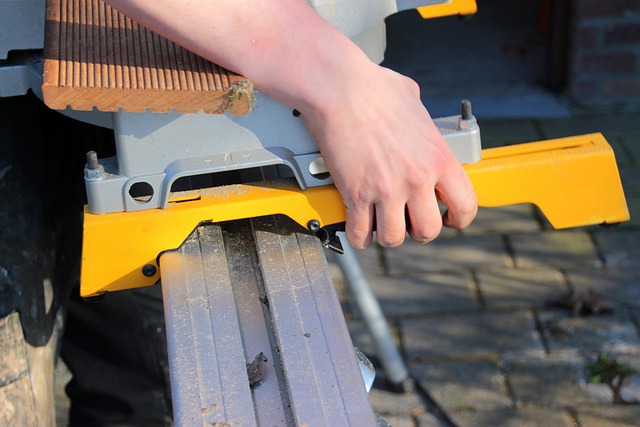
The Function and Design of Metal Chop Saw Blades
Metal chop saw blades are engineered for high-speed friction-based cutting of ferrous and non-ferrous materials. Their design focuses on maintaining rigidity while minimizing vibration. Blade composition determines how efficiently heat dissipates during prolonged cuts. Abrasive wheels rely on grit erosion to slice through material quickly but sacrifice longevity. In contrast, carbide-tipped blades use micro-grain carbide teeth bonded to a steel body for sustained sharpness and reduced wear.
Blade Composition, Tooth Geometry, and Bonding Materials
Each component of the blade contributes to its cutting character. Tooth geometry influences chip evacuation; smaller gullets handle thin stock better while aggressive rake angles suit dense metals. Bonding materials affect both heat tolerance and structural integrity—resin bonds in abrasive wheels degrade faster than metallic brazes used in carbide-tipped models.
Differences Between Abrasive Wheels and Carbide-Tipped Blades
Abrasive wheels excel at fast sectioning but wear down rapidly, altering cut depth over time. Carbide-tipped blades maintain consistent diameter and produce smoother edges with minimal burrs. For industrial setups prioritizing accuracy over speed, carbide-tipped variants yield superior cost-per-cut efficiency.
Material Composition and Its Impact on Cutting Quality
Material science drives blade innovation. Selecting the right alloy or tip compound directly impacts edge retention, wear resistance, and thermal stability during demanding operations.
High-Speed Steel (HSS), Carbide, and Diamond-Tipped Blades
HSS blades offer versatility for moderate workloads but lose hardness when overheated. Carbide-tipped versions resist deformation at higher temperatures, making them ideal for stainless steel or hardened alloys. Diamond-tipped options serve niche applications like cutting composite metals or titanium where extreme hardness is required.
Alloy Composition Determines Heat Resistance
The alloy mix governs how well a blade withstands frictional heat. Tungsten-carbide blends maintain structural strength above 800°C, reducing warping risk during continuous runs. Balanced chromium content improves corrosion resistance without compromising toughness.
Metallurgical Properties for Precision Work
Metallurgical uniformity ensures predictable performance under variable loads. Fine-grained carbides distribute stress evenly across the cutting edge, preventing micro-chipping that can distort precision cuts on thin-walled tubing or sheet stock.
Performance Factors That Define Precision Cutting Saw Efficiency
A cutting saw’s efficiency depends not only on its blade but also on how machine parameters interact with it—speed control, torque stability, and feed consistency all shape the final result.
Blade Speed, Torque, and Feed Rate Coordination
Synchronizing rotational speed with feed pressure prevents overheating or chatter marks on the workpiece. Excess RPM often leads to premature tooth dulling or discoloration from excessive frictional heat. Maintaining steady torque output helps achieve uniform kerf width even through dense sections of carbon steel.
The Role of Blade Tooth Geometry in Precision Performance
Tooth count per inch (TPI) dictates chip size: low TPI removes material aggressively while high TPI delivers fine finishes. Alternate top bevel (ATB) profiles perform well on softer metals; triple chip grind (TCG) handles harder alloys by distributing impact forces evenly across teeth.
Optimized Rake Angles Reduce Vibration
Proper rake angles stabilize the cut path by reducing entry shock at each tooth strike. This minimizes vibration-induced deviations that can accumulate into measurable angular errors during long cuts.
Comparing Types of Metal Chop Saw Blades for Industrial Applications
Industrial users weigh cost per cut against precision demands when selecting between abrasive wheels, carbide-tipped blades, or cold cut technology.
Abrasive Cutoff Wheels vs. Carbide-Tipped Blades
Abrasive wheels remove material quickly but generate substantial heat and require frequent replacement. Carbide-tipped blades sustain sharper edges longer while producing less dust—a critical factor in enclosed fabrication shops focused on air quality compliance standards such as ISO 8573-1 for particulate control.
Cold Cut Blades for High Precision Operations
Cold cut technology operates at lower RPMs using specialized tooth geometries that shear rather than grind metal. This results in minimal heat transfer to the workpiece—ideal when maintaining metallurgical properties is crucial for aerospace-grade components or stainless steel fixtures.
Maintenance Practices That Enhance Blade Longevity and Accuracy
Even premium-grade blades degrade without proper care; routine inspection and cleaning preserve both accuracy and safety standards during operation.
Proper Cleaning and Inspection Routines
Metal shavings left between teeth cause imbalance that accelerates bearing wear in high-speed saws. Regular visual checks for micro-cracks prevent catastrophic failure mid-cut—a common safety practice under IEC 62841-2-10 guidelines for power tool maintenance.
Sharpening Techniques for Sustained Precision Cutting
Professional regrinding restores original tooth geometry without compromising balance or concentricity. Using CNC-controlled grinders maintains uniform edge alignment across all teeth ensuring predictable feed response across multiple production cycles.
Optimizing Cutting Saw Systems for Peak Precision Results
Machine compatibility determines whether even the best blade performs at its potential; misalignment or mismatched specifications often lead to uneven cuts or tool damage.
Matching Blade Specifications to Machine Capabilities
Blade diameter must align with arbor size and rated RPM range specified by manufacturers like those adhering to ISO 3002-1 standards for cutting tools. An underpowered motor paired with a heavy-duty carbide blade risks stalling mid-operation leading to poor surface finish or mechanical strain.
Environmental Conditions Influencing Cutting Accuracy
Ambient temperature affects both metal expansion rates and lubricant viscosity during extended runs. Dust extraction systems maintain operator visibility while preventing abrasive particle buildup around bearings—a small detail that significantly extends service intervals in production environments.
Emerging Innovations in Metal Chop Saw Blade Technology
Recent advancements focus on improving efficiency through smart coatings and sensor-driven feedback systems that adapt dynamically during operation.
Advanced Coatings for Friction Reduction and Heat Management
Titanium nitride (TiN) coatings extend lifespan by lowering surface friction under heavy load conditions while aluminum titanium nitride (AlTiN) enhances oxidation resistance above 900°C—crucial when cutting stainless alloys continuously throughout multi-shift operations.
Smart Monitoring Systems in Modern Cutting Saws
Integrated sensors embedded within industrial-grade saws now track wear patterns in real time using digital feedback loops that automatically adjust feed rate or trigger maintenance alerts before failure occurs—a growing trend aligned with Industry 4.0 predictive maintenance protocols found in modern fabrication plants worldwide.
FAQ
Q1: What type of metal chop saw blade lasts longest?
A: Carbide-tipped blades typically outlast abrasive wheels due to their superior hardness retention under heat stress.
Q2: Why do cold cut blades produce cleaner edges?
A: They operate at lower speeds using shearing action instead of grinding which minimizes burr formation.
Q3: How often should a metal chop saw blade be inspected?
A: After every major project or approximately every 20 hours of use depending on material hardness handled.
Q4: Can one blade type handle all metals?
A: Not effectively; softer metals require finer teeth while hardened steels need tougher carbide tips with specific rake angles.
Q5: What coating works best for stainless steel cutting?
A: AlTiN coatings perform best because they resist oxidation at elevated temperatures common when working stainless alloys.

