

Is A Nose Ring Hoop The Right Choice For 20G Or 22G Clear CZ Designs
20G Or 22G Nose Hoop Ring With Clear CZ Top
Choosing between a 20G or 22G nose hoop ring with a clear CZ top is more than a matter of size—it’s about precision, comfort, and craftsmanship. The gauge determines how the jewelry interacts with the piercing channel, while the hoop’s design defines both its aesthetic and functional performance. Expert jewelers favor clear cubic zirconia for its diamond-like brilliance and durability, allowing fine customization across metals like titanium or gold. When properly engineered, the combination of correct gauge, proportional diameter, and secure CZ setting results in jewelry that balances elegance with anatomical integrity.
Understanding the Relationship Between Gauge Size and Nose Ring Hoop Design?
Selecting the right gauge size is fundamental to achieving a safe and visually balanced nose piercing. The interaction between wire thickness and hoop geometry directly influences healing, comfort, and long-term wear.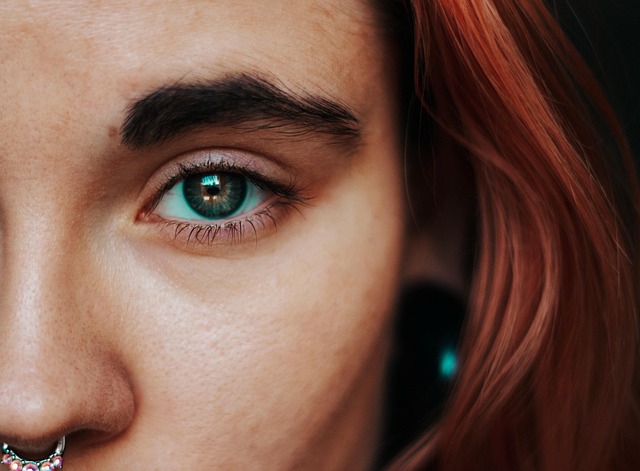
The Significance of 20G and 22G Measurements in Nose Piercings
Gauge size defines the wire’s thickness. A 20G wire measures roughly 0.8 mm, while a 22G wire is slightly thinner at about 0.6 mm. These are standard for nostril piercings because they provide stability without overstretching tissue. A mismatch in gauge may cause irritation or tearing during healing. For example, downsizing from 20G to 22G can lead to migration if the piercing hole contracts around thinner metal. Professional piercers often recommend maintaining the original gauge used during initial piercing to preserve tissue health.
How Hoop Design Affects Fit and Comfort
The hoop’s curvature must align with the piercing angle to prevent uneven pressure on nasal tissue. If misaligned, even a lightweight ring can create discomfort or micro-tears over time. Diameter also matters: smaller hoops hug the nostril closely for subtlety, while larger ones sit lower for visibility. A well-sized hoop should rest gently against the nostril without pinching or lifting when smiling or talking.
Evaluating Clear CZ (Cubic Zirconia) Nose Ring Designs?
Clear cubic zirconia (CZ) has become a preferred gemstone substitute in professional nose jewelry due to its optical precision and affordability compared to diamonds.
Characteristics of Clear CZ as a Gemstone Alternative
Clear CZ replicates diamond brilliance through high refractive index cutting techniques that maximize light reflection. It offers excellent hardness on the Mohs scale—around 8–8.5—though it still requires gentle cleaning to maintain clarity. Unlike natural stones, CZ is lab-created under controlled conditions ensuring uniform color and flawless transparency across batches.
Integration of Clear CZ Tops in Hoop Configurations
The placement of a CZ top affects how light interacts with facial contours. Centered settings create symmetry across both nostrils, while offset designs highlight one side elegantly. Secure bezel or prong settings are essential; loose stones not only reduce visual appeal but can pose hygiene risks if lost inside healing tissue. Metal selection further refines aesthetics—titanium provides modern minimalism, surgical steel adds resilience, and gold introduces warmth suitable for formal wear.
Comparing Hoop Styles Suitable for 20G and 22G Nose Piercings?
Different hoop mechanisms serve distinct user preferences regarding flexibility, closure type, and maintenance ease.
Continuous Hoops vs Segment Rings vs Hinged Hoops
Continuous hoops form an unbroken circle that offers seamless beauty but demands careful twisting during insertion—a technique best performed by professionals to avoid distorting shape. Segment rings feature removable sections that simplify cleaning without visible gaps once closed. Hinged hoops are favored for daily wear due to their built-in clasp system combining security with convenience.
Diameter Considerations for Proportional Aesthetics
For most nostril placements, diameters between 6 mm and 10 mm achieve balanced proportions relative to facial structure. Smaller diameters emphasize minimalism; larger ones draw attention toward decorative elements like clear CZ tops. Maintaining harmony between gauge thickness and hoop diameter prevents disproportionate appearance—an especially crucial detail in minimalist jewelry design.
Material Selection and Its Impact on Longevity and Skin Health?
Material quality dictates both durability and biocompatibility in professional-grade nose rings.
Common Materials Used in Professional Nose Jewelry Fabrication
Surgical stainless steel remains an industry standard due to its corrosion resistance and hypoallergenic nature compliant with ASTM F138 specifications. Titanium surpasses it in biocompatibility while offering lighter weight—ideal for sensitive skin types or new piercings where reduced pressure aids healing. Gold alloys above 14K combine luxury appeal with safe surface chemistry when nickel-free formulations are used.
Surface Finish and Polishing Techniques for Professional Results
Mirror polishing eliminates microscopic ridges that could trap bacteria or irritate skin during rotation. Physical vapor deposition (PVD) coatings introduce stable color tones such as rose gold or black without compromising metal strength. Smooth internal surfaces allow easier movement during cleaning cycles—a detail often overlooked yet vital during post-piercing care routines.
Technical Assessment: Craftsmanship Standards for Expert-Level Jewelry Design?
Precision engineering distinguishes high-end nose hoops from mass-produced alternatives through tighter tolerances and refined assembly methods.
Precision Engineering in Hoop Mechanisms and Stone Settings
Advanced micro-machining enables closures that align seamlessly under magnification tests used by quality inspectors. Laser welding reinforces joint strength at hinge points while preserving flexibility essential for repeated opening cycles. Consistent stone depth across production runs ensures uniform sparkle intensity under direct lighting conditions common in retail displays.
Quality Control Parameters for Professional Piercing Jewelry Lines
Dimensional accuracy is verified using digital calipers calibrated under ISO measurement standards to maintain sub-millimeter precision across gauges like 20G or 22G. Optical inspection systems detect micro-defects invisible to naked eyes but significant enough to affect polish continuity or wearer comfort. Compliance with ASTM F136/F138 assures traceable material authenticity—a key requirement among certified body jewelry manufacturers worldwide.
Aesthetic Alignment Between Gauge Size, Hoop Form, and Clear CZ Embellishment?
Balancing technical parameters with artistic expression defines expert-level jewelry composition where geometry meets personal style.
Visual Harmony in Minimalist Versus Statement Designs
A delicate 22G hoop paired with a small clear CZ accent suits understated elegance favored by professionals seeking subtle sparkle at work environments requiring discretion. In contrast, a thicker 20G hoop accommodates larger stones producing stronger reflections ideal for evening wear or fashion-forward statements. Matching metal tone—cool silver versus warm gold—to individual skin undertones enhances perceived brightness of clear CZ surfaces under natural light.
Customization Opportunities for Advanced Jewelry Designers
Modern CNC machining allows precise adjustment of curvature radius tailored to unique nostril geometries ensuring snug yet comfortable fitment across clients’ profiles. Mixed-metal combinations such as titanium bases with gold bezels introduce visual contrast around clear CZ centers without increasing weight significantly—a technique increasingly popular among boutique jewelers seeking differentiation through craftsmanship rather than branding excess.
FAQ
Q1: What is the main difference between a 20G and a 22G nose ring hoop?
A: The primary difference lies in thickness—20G is slightly thicker than 22G—which affects how securely it fits within an existing piercing channel.
Q2: Does cubic zirconia lose its shine over time?
A: With proper cleaning using mild soap solutions instead of alcohol-based cleaners, clear CZ retains its brilliance for years without noticeable dulling.
Q3: Which hoop style is easiest for beginners?
A: Hinged hoops are recommended since their locking mechanism simplifies insertion compared to continuous designs requiring manual bending alignment.
Q4: Is titanium safer than stainless steel?
A: Yes, titanium offers superior biocompatibility making it suitable for individuals prone to nickel sensitivities while remaining lightweight yet strong.
Q5: How should one choose hoop diameter relative to facial shape?
A: Smaller diameters flatter petite features by keeping focus near the nostril line; broader faces benefit from slightly larger hoops adding proportional balance around facial contours.


