
Are Diagonal Pliers Redefining Precision in The Best Wire Cutters of 2026
The Best Wire Cutters of 2026, Expert-Tested and Reviewed
Precision wire cutting has evolved into a discipline where engineering accuracy meets ergonomic refinement. The best wire cutters of 2026 combine advanced metallurgy, digital calibration, and user-centric design to deliver unmatched consistency. Experts now evaluate tools not only by sharpness but by measurable metrics like edge retention, force efficiency, and tactile feedback. Diagonal pliers remain the benchmark for precision trimming in both electronics and industrial wiring. Their evolution reflects how automation, smart sensors, and eco-conscious materials redefine what professionals expect from cutting instruments.
The Evolution of Wire Cutters Toward Precision Engineering
The transformation of wire cutters from basic mechanical tools to precision-engineered instruments stems from breakthroughs in material science and human-centered design. Each new generation pushes the limits of hardness, balance, and control—qualities that define professional-grade performance.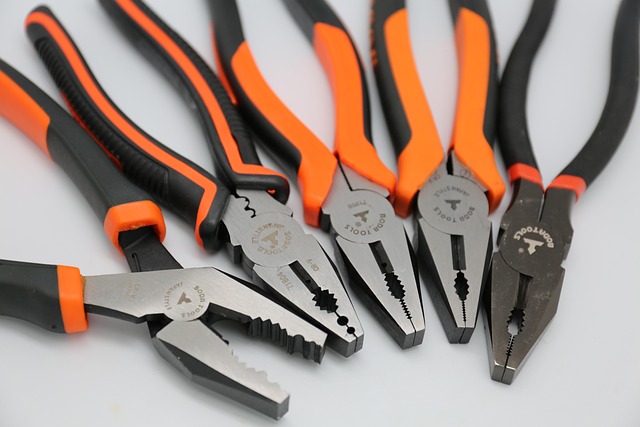
Advancements in Material Science for Cutting Tools
High-carbon steel compositions have become the industry standard for maintaining a sharp cutting edge under heavy use. Alloy blends incorporating chromium or vanadium increase tensile strength while minimizing brittleness. Titanium nitride coatings further enhance corrosion resistance and reduce friction between jaws and wire surfaces, extending tool life in humid or high-salinity environments. Heat treatment processes now achieve uniform hardness without sacrificing flexibility, allowing fine-tipped diagonal pliers to cut soft copper as cleanly as hardened steel strands.
Ergonomic and Functional Design Improvements
Modern handle geometry follows biomechanical research that reduces wrist strain during repetitive operations. Dual-component grips—often rubber over thermoplastic cores—provide both control and vibration absorption. Compact head profiles are another subtle yet crucial advancement: they allow technicians to reach confined spaces in circuit assemblies or wiring harnesses without compromising leverage or visibility.
The Role of Diagonal Pliers in Modern Wire Cutting Applications
Among all types of wire cutters, diagonal pliers stand out for their versatility across disciplines—from electronics repair benches to aerospace assembly lines. Their angled jaws and compact form make them indispensable for precise trimming tasks where every millimeter matters.
Understanding the Mechanics of Diagonal Cutting Action
The defining feature of diagonal pliers lies in their shearing motion. Angled jaws intersect slightly past each other, slicing rather than crushing the wire. This geometry minimizes deformation even on delicate conductors. Optimized pivot points increase mechanical leverage so that less hand pressure produces cleaner cuts. Jaw alignment precision is critical; even a fraction of misalignment can cause burrs or uneven edges during repetitive operations.
Comparison Between Diagonal Pliers and Traditional Cutters
Diagonal pliers excel when flush cutting near surfaces such as printed circuit boards or panel edges. Conventional cutters may deliver greater raw force but lack finesse for micro-scale tasks. In contrast, diagonal pliers offer superior control for electronics work, while heavier-duty models serve industrial wiring where thicker gauges dominate. Selecting between them depends on application context rather than tool cost alone.
Key Performance Metrics Defining the Best Wire Cutters of 2026
Performance evaluation has shifted from subjective feel to quantifiable criteria that measure durability and accuracy over time. Engineers now assess how well a cutter maintains its geometry after thousands of cycles.
Measuring Precision and Edge Retention
Micro-edge calibration ensures consistent cut depth across varying materials—a must for production environments demanding repeatability. Edge retention testing simulates extended use cycles under controlled loads to determine longevity before resharpening is required. Surface finish quality on the jaw faces reveals manufacturing precision; smoother finishes reduce friction buildup and resist corrosion better over years of service.
Evaluating Force Efficiency and User Feedback Mechanisms
Reduced hand force requirements translate directly into higher operational efficiency during continuous use shifts. Spring-assisted mechanisms speed up sequential cuts by returning handles automatically to open position—vital in assembly line contexts where seconds accumulate into hours saved weekly. Tactile feedback through handle vibration or resistance helps experienced users gauge optimal pressure for different wire gauges without visual confirmation.
Technological Integration in Next-Generation Diagonal Pliers
Digital technology has entered even traditional hand tools, introducing monitoring systems once limited to industrial machinery. These integrations redefine maintenance schedules and accuracy expectations.
Smart Tool Enhancements and Digital Calibration Systems
Embedded micro-sensors track cutting pressure distribution across each cycle, alerting users when wear exceeds tolerance thresholds. Bluetooth-enabled diagonal pliers can log usage data to mobile devices for predictive maintenance planning—an innovation already piloted in aerospace wiring facilities. Digital calibration systems automatically adjust jaw spacing within microns under variable temperature conditions, maintaining consistent performance despite environmental changes.
Precision Manufacturing Through Automation and CNC Processes
CNC grinding achieves micron-level edge uniformity impossible through manual finishing alone. Automated optical inspection detects micro-defects such as burrs or uneven bevels before final assembly, preventing early failure in field use. Production consistency across batches ensures that professional technicians receive identical tool behavior regardless of manufacturing date—a reliability benchmark increasingly demanded by ISO-certified industries.
Application-Specific Innovations Driving Professional Adoption
Different sectors impose distinct demands on wire cutters; thus manufacturers develop specialized variants optimized for those contexts rather than one-size-fits-all solutions.
Electronics and Microengineering Use Cases
Fine-tip diagonal pliers enable precise trimming on densely populated circuit boards where even minor vibration could damage solder joints. Handles made from anti-static polymers prevent electrostatic discharge that might harm sensitive components like CMOS chips. Controlled cutting mechanisms minimize recoil impact—critical when working near fragile assemblies under magnification lenses.
Industrial Wiring and Mechanical Assembly Contexts
In industrial environments, reinforced joint designs withstand repeated high-torque operations typical in cable harness fabrication or motor coil workstations. Multi-material compatibility allows seamless transition between copper signal wires, aluminum power conductors, or stainless-steel safety cables without switching tools mid-task. Extended lifespan through advanced metallurgy reduces downtime from replacement cycles—a measurable productivity gain across large-scale production lines.
Emerging Trends Influencing the Future of Precision Wire Cutting Tools
Beyond immediate performance improvements, broader trends such as sustainability and customization are shaping how professionals select their next-generation tools.
Sustainability and Eco-Friendly Manufacturing Practices
Manufacturers increasingly adopt recyclable handle materials like bio-based polymers to shrink environmental footprints while maintaining grip integrity. Energy-efficient forging processes align with global sustainability goals set by organizations such as ISO 14001 environmental management standards. Lifecycle-oriented design emphasizes repairability over disposability so technicians can replace worn jaws instead of discarding entire tools—a shift toward circular economy principles gaining traction worldwide.
Customization and Modular Tool Systems for Professionals
Interchangeable jaw modules allow one handle base to adapt across multiple applications—from fine electronics trimming to heavy-duty cable cutting—reducing tool inventory costs without compromising specialization. Modular handles accommodate varied grip preferences based on task duration or operator ergonomics studied under IEC hand-tool safety guidelines. Personalized calibration settings stored digitally within smart pliers further enhance user-specific precision outcomes by learning individual usage patterns over time.
FAQ
Q1: What makes diagonal pliers superior for precision work?
A: Their angled jaws create a shearing motion that delivers clean cuts close to surfaces with minimal deformation—ideal for electronics assembly or fine wiring tasks.
Q2: How do titanium nitride coatings improve cutter durability?
A: They reduce surface friction during cutting while providing strong corrosion resistance against moisture exposure common in fieldwork environments.
Q3: Are smart diagonal pliers practical outside high-tech industries?
A: Yes, Bluetooth-enabled models benefit maintenance teams by tracking wear data even in general electrical service operations where predictive upkeep saves downtime.
Q4: Why is ergonomic handle design critical in modern cutters?
A: Proper geometry lowers strain during repetitive actions, preventing fatigue-related errors over long shifts common in manufacturing plants.
Q5: What sustainability measures are emerging among tool manufacturers?
A: Many now use recyclable composites for handles and energy-efficient heat treatments that meet international eco-certification standards while extending product life cycles.


