
Are Stihl Pruning Saw Models Truly Reliable for Professional Arborists
Are Stihl Pole Saws Any Good? Here’s What Owners Say
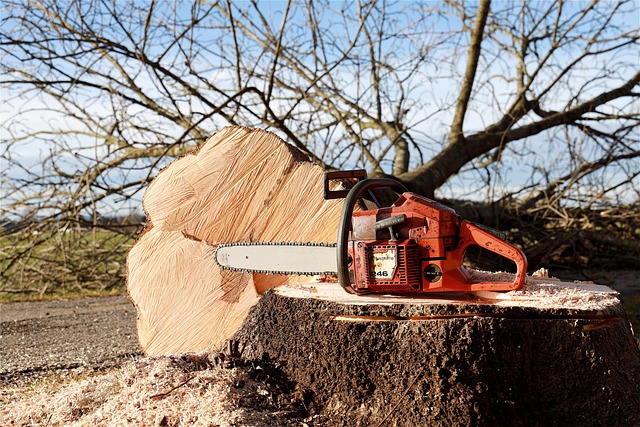
Stihl pruning saws have earned a solid reputation among professional arborists for their precision, reliability, and build quality. Based on field reports and user feedback, these tools consistently deliver clean cuts, reduced fatigue, and long service life under demanding conditions. Their balance of engineering refinement and ergonomic design makes them a trusted choice for those working daily in arboriculture. In short, yes—Stihl pole saws are considered good by most owners who depend on them professionally.
Evaluating the Reliability of Stihl Pruning Saws for Professional Arborists
Pruning saws sit at the heart of arboricultural work. The reliability of a tool directly affects both productivity and safety, particularly when trimming large canopies or shaping mature trees.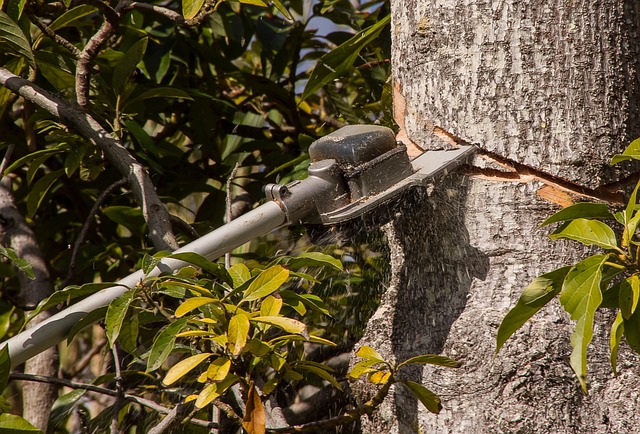
Understanding the Role of Pruning Saws in Arboriculture
Pruning saws help maintain tree structure, manage growth patterns, and prevent disease spread. For professional arborists, consistency is non‑negotiable; each cut must be precise to avoid bark tearing or uneven regrowth. The engineering behind these tools—especially blade geometry and handle ergonomics—determines how efficiently tasks are completed in varied conditions.
Overview of Stihl’s Reputation in the Arborist Community
Stihl’s legacy stretches back nearly a century in forestry equipment manufacturing. Known for its innovation and mechanical durability, the brand has built trust through continuous product refinement. Its focus on ergonomics reduces operator strain while maintaining strong cutting power. Over decades of field use, this reliability has made Stihl a benchmark name among arborists worldwide.
Technical Build Quality and Design Considerations
The technical foundation of any pruning saw dictates its performance longevity. Stihl’s designs combine industrial‑grade materials with field‑tested ergonomics to meet professional standards.
Materials and Construction Standards
High‑carbon steel blades provide sharpness retention even after repeated use on dense hardwoods. Reinforced handles with anti‑slip textures enhance grip stability when operating at awkward angles. Corrosion‑resistant coatings protect metal components from moisture exposure during year‑round outdoor work.
Ergonomics and Balance in Daily Use
Weight distribution plays a crucial role in reducing fatigue during extended pruning sessions. Stihl designs its handles to minimize wrist deviation and improve control over long reaches. Feedback from arborists indicates that balanced load placement allows smoother motion when cutting at height or overhead.
Performance Analysis in Professional Applications
For professionals managing mixed tree species, cutting efficiency across wood types defines real‑world usability more than lab metrics do.
Cutting Efficiency Across Different Wood Types
Stihl’s tooth profiles are optimized for both green sapwood and seasoned dry branches. Manual saws deliver controlled precision for fine pruning, while powered models increase throughput on thicker limbs. Chain speed consistency and torque output translate into cleaner cuts that demand less rework.
Durability Under Continuous Operation
Under high‑frequency use, blade wear resistance becomes critical. Many users report minimal degradation even after months of daily operation. Maintenance intervals remain predictable, allowing crews to plan servicing without workflow disruption—a key factor for commercial operations under time pressure.
Maintenance Requirements and Serviceability
Even premium tools demand proper upkeep to sustain top performance; ease of maintenance often separates professional gear from consumer models.
Ease of Sharpening and Blade Replacement
Stihl pruning saws accommodate standard sharpening files familiar to most arborists. Replacement blades are widely available through authorized service networks, making part swaps straightforward in the field. Over time, maintaining rather than replacing entire units proves cost‑effective for fleet management.
Lubrication, Cleaning, and Storage Practices
Proper lubrication prevents binding between moving parts during prolonged use. Regular cleaning removes resin buildup that can dull teeth or reduce safety margins. When stored dry in ventilated cases between seasons, these saws retain edge integrity far longer than unprotected alternatives.
Comparing Stihl Pruning Saws with Competing Brands
The professional market includes several respected names; yet comparisons often highlight where Stihl distinguishes itself in daily utility rather than raw specifications.
Performance Benchmarks Against Industry Peers
When tested against other premium brands used by arborists, Stihl models typically score higher for vibration damping and noise control—two aspects directly affecting user comfort during long shifts. Their cutting speed remains competitive while maintaining lower energy consumption across both fuel‑powered and battery lines.
Value Assessment Based on Longevity and Cost Efficiency
Total ownership cost favors Stihl because replacement cycles extend beyond typical industry averages. Experienced users cite consistent reliability as justification for initial investment premiums since fewer breakdowns mean less downtime per season—a measurable return on investment for contractors managing multiple crews.
Environmental Responsibility and Technological Advancements
Sustainability now influences purchasing decisions even within heavy‑duty equipment sectors like forestry tools.
Integration of Clean Energy Principles in Product Design
Recent models incorporate efficient engines meeting strict emission standards comparable to benchmarks set by international environmental agencies such as IEA or ISO energy frameworks. Battery systems reduce operational emissions entirely while using recyclable materials aligned with global clean energy initiatives pursued by some of the biggest clean energy companies worldwide.
Future Trends Influencing Pruning Saw Development
Emerging technologies point toward improved power‑to‑weight ratios through lightweight alloys and digital diagnostics that alert users about maintenance schedules automatically. As renewable energy solutions expand across industries, cordless electric pruning systems may soon dominate professional toolkits without compromising torque or runtime expectations.
User Feedback from Professional Arborists
Ultimately, real credibility comes not from marketing but from those using the tools daily across unpredictable conditions.
Real-World Experiences from Field Operations
Professionals report dependable performance even under wet or dusty environments where lesser tools fail prematurely. Some note minor issues like increased chain stretch under constant load but acknowledge easy adjustment procedures mitigate downtime effectively.
Recommendations from Industry Experts
Certified arborists often recommend specific Stihl models based on workload intensity: lighter hand saws for precision shaping versus telescopic pole versions for canopy management at height. Experts emphasize regular cleaning routines as essential to preserving mechanical integrity well beyond warranty periods—proof that reliability depends equally on design quality and disciplined care practices.
FAQ
Q1: Are Stihl pole saws suitable for heavy-duty commercial use?
A: Yes, they are engineered with industrial-grade materials capable of handling continuous operation typical in commercial arborist work.
Q2: How often should blades be sharpened?
A: Frequency varies by wood type but generally after every few days of intensive cutting ensures optimal performance.
Q3: Do battery-powered Stihl models perform as well as gas versions?
A: Modern battery systems deliver comparable torque with quieter operation and zero direct emissions, ideal for urban job sites.
Q4: What is the average lifespan of a professional-grade Stihl pruning saw?
A: With proper maintenance, many users report effective service life exceeding five years under daily use conditions.
Q5: Are replacement parts readily available?
A: Yes, authorized service centers maintain consistent stock levels globally to support quick replacements when needed.


