
How Can Dremel Cutting Bits Transform Genius Ways You Use Tools at Home
Genius Ways You Should Be Using A Dremel Tool Around Your Home
The Dremel tool has evolved into an indispensable device for both professional craftsmen and advanced DIY users. Its cutting bits, in particular, stand out for their adaptability across materials and precision-driven performance. When used correctly, these bits transform complex cutting, engraving, or trimming tasks into smooth operations. The secret lies in pairing the right bit with the right material and mastering control techniques that minimize wear while maximizing output quality.
Understanding the Versatility of Dremel Cutting Bits
Dremel cutting bits are engineered for a wide range of materials, from softwoods to tempered steel. Their performance depends on material composition, geometry, and speed control. Professionals who understand these characteristics can achieve consistent results even in demanding environments.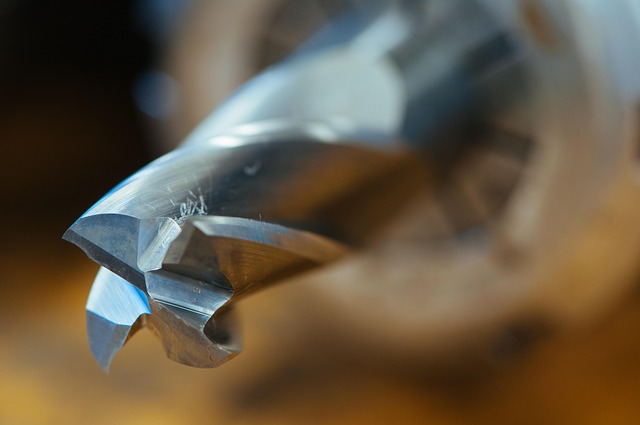
The Engineering Behind Dremel Cutting Bits
The engineering behind these bits begins with their composition. High-speed steel (HSS) bits are valued for flexibility and resilience under heat, making them suitable for general-purpose cutting. Carbide bits offer greater hardness and longevity, ideal for metals or composites that dull standard tools quickly. Diamond-coated bits are designed for extreme precision on brittle surfaces like glass or ceramics where micro-fractures are a risk.
Bit geometry also determines efficiency. A spiral-fluted bit clears debris faster, reducing friction and heat buildup. Conversely, straight-fluted designs favor control over speed when accuracy matters most.
Matching Cutting Bits to Specific Materials
Selecting the proper bit type is crucial for achieving clean results. HSS bits perform best on wood and plastic due to their moderate hardness and flexibility. Carbide options handle ferrous metals or stainless steel effectively without losing edge sharpness. Diamond-coated variants excel at tile or glass applications where abrasion resistance is key.
RPM settings further influence outcomes. Softer materials require lower speeds to prevent melting or burning, while denser substrates benefit from higher RPMs paired with steady torque delivery. A common mistake among professionals is using uniform speed across all tasks—this often leads to premature wear or uneven cuts.
Advanced Applications of Dremel Cutting Bits in Home Projects
Modern home improvement increasingly relies on compact rotary tools like Dremel systems for precision work once reserved for industrial setups. Proper technique allows these tools to execute intricate modifications without compromising safety or finish quality.
Precision Modifications in Metalwork
Cutting bolts or screws flush with surfaces requires maintaining perpendicular alignment between bit and workpiece. Reinforced cut-off wheels minimize distortion during trimming by distributing stress evenly along the edge. When working on sheet metal, short intermittent passes help manage heat accumulation that could warp thin sections.
For extended tasks, controlling temperature is essential—pausing periodically prevents discoloration or temper loss in metals such as aluminum or brass.
Enhancing Woodworking Efficiency
In woodworking, dremel cutting bits enable detailed carving and joint preparation with remarkable accuracy. Micro-cutting attachments create grooves as narrow as 1 mm without splintering edges when feed rates remain consistent. Combining sanding drums after rough cuts produces seamless transitions between carved sections.
Splinter prevention largely depends on selecting sharp bits suited to grain direction; dull edges tear fibers instead of slicing cleanly.
Customizing Glass, Tile, and Stone Surfaces
When shaping brittle materials like ceramic tiles or marble pieces, lubrication plays a decisive role in extending bit life and preventing cracks. Water-based coolants reduce surface friction significantly during engraving operations.
Maintaining uniform depth requires steady hand pressure combined with light passes rather than deep single cuts. Dust management must not be overlooked—fine silica particles from stone demand protective masks and vacuum extraction systems compliant with occupational safety standards such as OSHA 1910 Subpart Z.
Integrating Dremel Cutting Bits into Professional Tool Systems
Beyond standalone use, dremel cutting bits integrate seamlessly into broader tool ecosystems through modular accessories that expand functionality across multiple trades.
Compatibility with Multi-Purpose Rotary Tools
Collet systems accommodate various shank diameters ensuring compatibility across generations of rotary models. Using correct adapters prevents wobble at high RPMs which could otherwise cause vibration damage to bearings or shafts.
Balancing rotational speed against bit stability safeguards both user control and tool longevity—especially above 20,000 RPM where imbalance magnifies exponentially.
Routine maintenance such as cleaning collets from debris ensures consistent clamping force over time while extending overall system durability.
Combining Cutting Bits with Other Attachments
Sequential workflows often pair cutting operations with grinding or polishing heads to refine surfaces post-trim. For instance, after removing rusted bolt ends using a cut-off wheel, switching to abrasive buffs smooths residual burrs instantly.
Integrated accessory kits simplify complex fabrication processes by allowing quick interchange between functions without full reassembly—a feature particularly valuable during multi-material restoration projects.
Innovative Approaches to Home Improvement Using Dremel Cutting Bits
Creative homeowners increasingly exploit the adaptability of dremel cutting bits beyond standard repair work—turning them into instruments of design innovation and problem-solving efficiency.
Creative Solutions for Repairs and Installations
Trimming around electrical outlets or cabinet corners benefits from compact rotary reach where larger saws cannot maneuver safely. Adjusting door hinges or pipe fittings becomes simpler when hardware can be modified directly in place rather than removed entirely.
During restoration tasks like tile replacement, precise removal of damaged segments minimizes collateral breakage saving both time and material cost.
Artistic and Functional Design Enhancements
Artists employ fine-cutting attachments to repurpose reclaimed wood into custom wall art or furniture accents featuring intricate relief patterns. Variable speed controls allow gradual shaping transitions producing organic textures difficult to replicate manually.
Mixed-media creators also utilize carbide micro-bits for embedding metal details within wooden sculptures—a fusion demanding steady torque but delicate touch rarely achievable through conventional tools.
Optimizing Performance and Longevity of Dremel Cutting Bits
Proper care determines how long dremel cutting bits maintain peak performance under frequent use conditions typical of professional environments.
Proper Cleaning and Storage Practices
After each session, residual debris should be brushed off gently using nylon bristles rather than metal scrapers that risk chipping edges. Compressed air removes fine dust lodged inside flutes restoring balance before next operation.
Storage ideally occurs in dry compartments lined with foam inserts preventing oxidation from ambient humidity or accidental warping due to pressure stacking among mixed accessories.
Evaluating Wear Patterns for Replacement Timing
Monitoring wear signs like uneven tip rounding or vibration onset helps identify replacement needs before efficiency drops noticeably. Establishing rotation schedules based on material hardness data ensures predictable lifespan—carbide typically outlasts HSS by threefold under identical workloads according to ISO 513 classification metrics for cutting tool materials.
FAQ
Q1: What’s the best way to prevent overheating when using dremel cutting bits?
A: Use intermittent passes instead of continuous pressure and allow cooling breaks every few minutes especially on metals prone to heat distortion like aluminum alloys.
Q2: Can one bit type handle multiple materials effectively?
A: While universal bits exist they rarely match specialized ones; carbide excels in metal whereas diamond-coated versions outperform others on ceramics or glass surfaces.
Q3: How often should dremel collets be cleaned?
A: Clean after every major project since accumulated dust reduces grip strength causing slippage at high speeds which may damage both bit and tool spindle over time.
Q4: Why do some cuts appear rough even with new bits?
A: Inconsistent feed rate combined with excessive RPM usually causes chatter marks; adjusting speed relative to material density restores smooth finish quality instantly noticeable under inspection lighting.
Q5: Are reinforced cut-off wheels safer than standard discs?
A: Yes reinforced versions incorporate fiberglass mesh layers distributing stress evenly preventing sudden fractures during heavy-duty trimming common in structural metalwork applications.

