
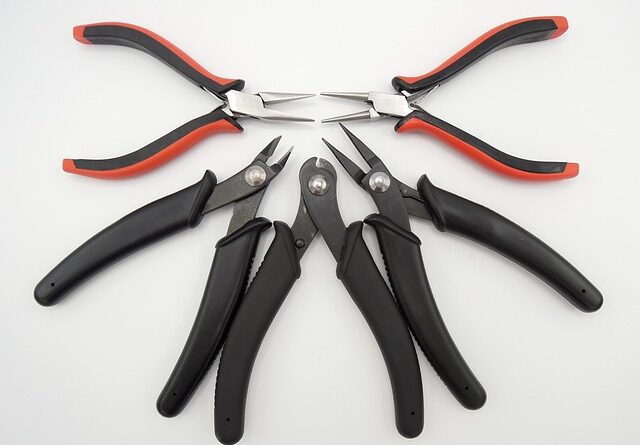
How Did Electrical Wire Cutters Play a Role in the Koh Kaew PEA Project Case
5 Simple Table Saw Jigs Any DIY Woodworker Can Use
Precision woodworking depends on control, repeatability, and a sharp eye for detail. Among the most practical accessories for a table saw, a taper jig stands out for its ability to create uniform angled cuts that define the craftsmanship of fine furniture. Professionals rely on it to achieve consistent geometry across multiple components while maintaining safety and accuracy. The key lies in understanding how this jig interacts with both material and machine to deliver clean, precise tapers that elevate the final product’s quality.
The Role of a Taper Jig in Precision Woodworking?
A taper jig for table saw operations serves as more than a cutting guide—it’s a system that brings repeatability and accuracy to angled cuts. In professional workshops, the jig becomes essential when producing tapered legs or panels that require exact symmetry.
The Function and Design of a Taper Jig for Table Saw
A taper jig is engineered to guide workpieces at a controlled angle relative to the saw blade. Its adjustable structure allows woodworkers to set specific angles, ensuring each cut matches the previous one. High-quality jigs feature sturdy hinges or sliding tracks that maintain alignment throughout the cut. Materials such as anodized aluminum or dense plywood are often chosen because they resist warping and vibration during operation, directly affecting precision. A well-balanced design minimizes lateral drift, which is critical when working with narrow stock or hardwoods.
Why Accuracy Matters in Complex Wood Cuts
Accuracy defines whether components fit seamlessly or require post-cut correction. In cabinetry or chair making, even half a degree of error can distort alignment across joints. Consistent tapers ensure structural stability since uneven angles can weaken load-bearing parts like legs or braces. Moreover, precision reduces sanding and trimming time later in the process—a small gain that compounds across production runs.
Evaluating the Impact of a Taper Jig on Cutting Accuracy
A taper jig influences both control and confidence at the saw table. By stabilizing the workpiece and guiding it through a fixed path, it transforms what could be an uncertain freehand cut into a predictable mechanical motion.
How a Taper Jig Enhances Control Over Workpiece Movement
The jig secures stock firmly between its adjustable arms or clamps, minimizing lateral movement during feed. This stability reduces vibration, producing cleaner edges with fewer burn marks. Because feed rate remains consistent through the blade’s arc, each pass maintains identical geometry. Many professional jigs incorporate adjustable stops that allow repeated cuts without resetting measurements—an essential feature when producing sets of identical components like table legs.
Factors That Influence Accuracy When Using a Taper Jig
Several technical aspects determine how well a taper jig performs. Alignment between the jig body, saw fence, and blade must be verified before every session; even slight misalignment can shift angles subtly over long cuts. Blade sharpness also matters—dull teeth increase resistance and cause deflection under pressure. Feed pressure should remain steady but not excessive to avoid forcing material off track. Finally, calibration of measurement scales ensures that angle readings correspond precisely to real-world results; periodic verification prevents cumulative error in multi-step projects.
Integrating a Taper Jig into Advanced Woodworking Techniques
Beyond basic angled cuts, experienced woodworkers integrate taper jigs into complex assemblies where compound geometry defines both function and aesthetics.
Applications in Furniture Making and Joinery
In furniture making, taper jigs are indispensable for shaping legs that transition smoothly from thick to thin sections while maintaining balance across all sides. They also assist in creating angled panels used in mid-century designs or decorative bevels on cabinet frames. For joinery requiring compound angles—such as splayed chair legs—the jig provides consistent reference points without repeated manual layout marking.
Combining the Taper Jig with Other Table Saw Accessories
A taper jig works effectively alongside other fixtures like crosscut sleds when performing compound operations involving both mitered and tapered edges. Using featherboards or hold-downs further enhances safety by preventing kickback while keeping material flat against the table surface. Some professionals pair their jigs with digital angle gauges for micro adjustments down to tenths of a degree—a modern refinement that speeds setup for repetitive production tasks.
Designing or Selecting the Right Taper Jig for Professional Use
Choosing an appropriate taper jig depends on balancing durability, adjustability, and compatibility with existing shop tools.
Key Features to Consider When Choosing a Taper Jig for Table Saw
Professional users favor jigs built from rigid materials like aluminum extrusions or high-grade plywood because these resist flexing under clamping force. Fine-adjustment mechanisms—such as threaded knobs or calibrated sliders—allow micro-calibration of taper angles without guesswork. Compatibility with different table saw models is another consideration; universal mounting slots or adaptable base plates increase versatility across machines used in varied shop environments.
Custom-Built vs Commercially Available Jigs: Comparative Insights
Custom-built jigs appeal to craftsmen who frequently produce parts with uncommon dimensions or unique profiles since they can tailor length, width, and pivot range precisely to project needs. Commercial models offer convenience through ready-to-use assemblies featuring integrated safety handles and quick locks that shorten setup time between tasks. Cost-benefit analysis often comes down to production volume: small shops may prefer custom builds for flexibility, whereas high-throughput operations benefit from standardized commercial systems offering reliable repeatability day after day.
Best Practices for Achieving Consistent Results with a Taper Jig
Even the best-designed jig requires proper setup and maintenance routines to sustain accuracy over time.
Setup Procedures Before Making Complex Cuts
Before starting any cut sequence, verify parallel alignment between the jig’s guiding edge and saw blade path using precision squares or dial indicators. All locking mechanisms must be tightened securely since minor slippage can alter angle consistency mid-cut. Conducting test passes on scrap stock helps confirm both taper angle and surface finish before committing valuable material—a simple but often overlooked precaution that saves costly rework later.
Maintenance and Calibration for Long-Term Precision Performance
Like any precision tool, regular inspection keeps performance consistent. Pivot joints should move smoothly yet hold firm without play; worn bushings or loose bolts introduce unwanted variability. Keeping sliding surfaces clean prevents dust buildup that increases friction during feed motion. Periodic recalibration of angle indicators using reference tools such as digital protractors maintains measurement reliability over months of use—especially important in climate-controlled shops where temperature changes affect metal expansion subtly but measurably.
FAQ
Q1: What is the primary advantage of using a taper jig for table saw work?
A: It allows controlled angled cuts with repeatable accuracy while maintaining safety by securing material firmly during operation.
Q2: Can beginners use taper jigs effectively?
A: Yes, provided they follow correct setup procedures such as aligning the jig with the saw blade path and performing test cuts before final passes.
Q3: How often should a taper jig be recalibrated?
A: For professional use, recalibration every few months—or after any significant temperature change—is recommended to maintain precise angular readings.
Q4: Are commercial jigs more accurate than custom ones?
A: Not necessarily; commercial models emphasize convenience and safety features while custom versions can achieve higher precision if built carefully for specific projects.
Q5: What materials are best suited for building durable taper jigs?
A: Aluminum offers rigidity with light weight; high-grade plywood provides affordability with sufficient stability when properly sealed against humidity changes.


