
Are Sheet Metal Nibblers A Better Tool for Cutting Corrugated Metal or Plastic
A Better Tool for Cutting Corrugated Metal or Plastic
Sheet metal nibblers have become a preferred choice among professionals handling corrugated metal and plastic sheets. Their punch-and-die cutting mechanism delivers clean, distortion-free edges without generating excessive heat, outperforming traditional tools like shears or grinders. For both industrial production and on-site fabrication, nibblers combine precision with efficiency, making them the better tool for complex profiles and coated materials.
The Working Principle of Sheet Metal Nibblers
Before comparing tool types, it’s essential to grasp how a nibbler functions at its core. The design principle behind these devices is rooted in controlled mechanical shearing rather than frictional cutting.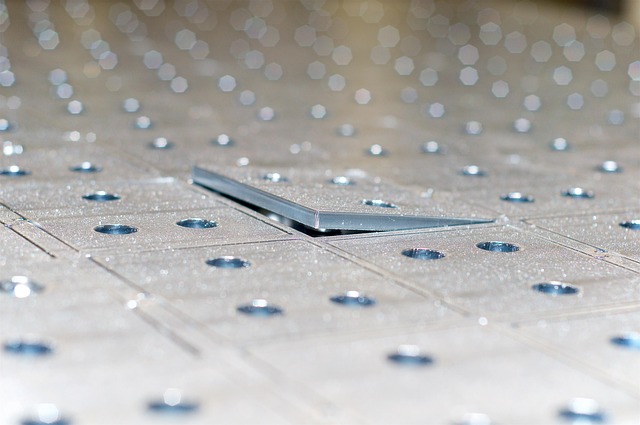
The Working Principle of Sheet Metal Nibblers
Nibblers use a punch-and-die mechanism that removes small bits of material in rapid succession. This reciprocating motion allows the tool to cut through metal sheets with minimal resistance and without generating excessive heat. Because each stroke removes only a tiny portion of material, deformation is significantly reduced. This makes nibblers ideal for corrugated or profiled materials where maintaining shape integrity is critical.
Types of Sheet Metal Nibblers Used in Industrial Applications
Industrial applications demand different configurations depending on workload and precision needs. Electric nibblers are commonly used for continuous sheet cutting operations due to their consistent torque and ease of control. Pneumatic nibblers dominate high-speed production environments where air-driven motors provide greater power-to-weight ratios. Hand-operated versions, though slower, are invaluable for on-site modifications or repair tasks where portability matters more than throughput.
Evaluating the Performance of Nibblers on Corrugated Metal
When applied to corrugated metal, the performance of sheet metal nibblers stands out in terms of edge quality and structural preservation. Their ability to follow irregular contours without bending or tearing the sheet gives them an edge over conventional tools.
Material Compatibility and Cutting Efficiency
Nibblers maintain clean edges on galvanized steel, aluminum, and stainless steel sheets—materials often used in roofing and industrial cladding. The punch-and-die action allows smooth following of corrugation contours with minimal distortion. Reduced burr formation also shortens post-processing time since less finishing work is needed after cutting.
Precision and Edge Quality in Corrugated Profiles
The small cutting radius enhances maneuverability around tight corners or complex shapes such as vents or junctions. Consistent edge integrity supports structural accuracy in assemblies where fitment tolerance is tight. Controlled chip removal prevents surface scratches or coating damage, which is particularly important for pre-painted panels used in construction.
Assessing the Use of Nibblers for Plastic Sheets
While primarily designed for metals, nibblers can also handle certain plastics effectively when operated under adjusted parameters. The mechanical behavior of thermoplastics under stress differs from metals; thus, feed rate and stroke speed become crucial factors.
Behavior of Plastic Under Nibbler Operation
Plastics like PVC, polycarbonate, and acrylic respond differently to mechanical forces during cutting. If feed rates are too high, chipping or cracking may occur along the cut line due to localized stress concentration. Adjusting stroke speed and pressure helps achieve cleaner cuts while minimizing edge whitening or melting—common issues when cutting thermoplastics mechanically.
Comparison with Alternative Plastic Cutting Tools
Rotary cutters produce smoother edges but risk heat-induced warping when friction builds up during prolonged contact. Jigsaws can manage thicker plastics but require careful control to prevent melting near the blade path. Laser systems deliver unmatched precision yet come at higher operational costs and require ventilation due to fume generation. CNC routers offer flexibility for intricate geometries but involve setup time and programming expertise that may not suit quick field jobs.
Comparing Nibblers with Other Metal Cutting Tools
In industrial fabrication shops, various tools compete for similar roles—each excelling under specific conditions but rarely matching the versatility of a nibbler when working with corrugated materials.
Shears, Saws, and Angle Grinders in Comparison to Nibblers
Power shears deliver faster linear cuts but struggle with corrugated profiles because their blades cannot easily follow changing contours. Circular saws equipped with metal blades provide straight cuts yet often cause burring or heat distortion on thin sheets due to frictional heating. Angle grinders with cutoff wheels suit rough trimming tasks but lack control over curved sections and pose safety risks from flying sparks.
Advantages of Using Nibblers Over Conventional Tools
Nibblers operate at lower vibration levels than saws or grinders, reducing operator fatigue during extended sessions. Since they remove material incrementally rather than by frictional abrasion, thermal stress remains low—preserving paint coatings on pre-finished metals. Their compact head design also allows intricate contour cutting without compromising sheet strength or finish quality.
Practical Considerations When Choosing a Cutting Tool for Corrugated Materials
Selecting the right tool depends not just on performance but also on project scale, operator skill, and long-term maintenance factors that influence productivity over time.
Factors Influencing Tool Selection
Material thickness plays a decisive role: thin aluminum panels may suit manual nibblers while thicker stainless sheets demand powered models. Surface finish requirements determine whether burr-free results justify higher equipment cost. For large-scale projects such as roofing installations, electric or pneumatic versions save time compared with manual alternatives. Maintenance ease—like replacing punches—and spare part availability directly affect operational continuity in industrial settings.
Safety and Operational Efficiency Guidelines
Proper clamping minimizes vibration-induced inaccuracies during cutting operations on uneven surfaces. Regular inspection of punch-and-die components ensures consistent performance by preventing dull edges that could tear material instead of slicing it cleanly. Personal protective equipment such as gloves and goggles remains essential since small chips ejected during operation can cause injury if unshielded.
Technological Developments Enhancing Nibbler Performance
Modern engineering has refined both mechanical design and power delivery systems in sheet metal nibblers, turning them into highly efficient precision instruments suitable even for automated lines.
Innovations in Blade Design and Motor Efficiency
Advanced alloys now extend punch life under continuous industrial usage by resisting wear from hard-coated steels. Brushless motors have improved torque consistency while lowering maintenance intervals compared with brushed counterparts—a key factor in reducing downtime across production shifts.
Integration with Automated Systems and Robotics
CNC-controlled nibbling heads enable repeatable precision across large panels used in manufacturing HVAC ducts or vehicle bodywork. Integration into robotic arms further reduces human error while maintaining uniform cut quality across repetitive tasks—a growing trend within smart factories adopting Industry 4.0 frameworks worldwide.
FAQ
Q1: Can sheet metal nibblers cut both steel and aluminum effectively?
A: Yes, they can handle galvanized steel, aluminum, stainless steel, and other common alloys while maintaining clean edges without warping the sheet surface.
Q2: Are pneumatic nibblers more durable than electric ones?
A: Pneumatic models generally last longer under heavy-duty cycles because air motors generate less internal heat compared with electric drives.
Q3: What safety gear should operators wear when using a nibbler?
A: Safety glasses, gloves, hearing protection, and proper clothing are recommended since small chips can eject at high speed during operation.
Q4: Can nibblers be used on coated or painted metals?
A: Yes, their low-heat cutting action preserves surface coatings better than grinders or saws that rely on abrasive friction methods.
Q5: How often should punch-and-die components be replaced?
A: Replacement frequency depends on workload intensity; however, regular inspection after every major project helps maintain consistent cut quality over time.


