
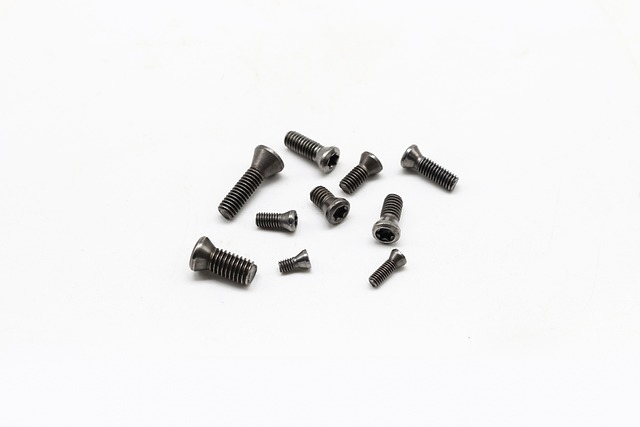
Could Self Screwing Screw Technology Prevent Motorway Repair Crises
Screws Spilled on Motorway Leave Motorists Seeking Repairs
Loose screws scattered across major motorways have become a recurring hazard, causing punctured tires, damaged vehicles, and costly delays. The root of the issue lies in poor containment during transport and construction operations. Experts now explore whether advanced fastening solutions like the self screwing screw could help prevent such accidents. This article examines the technical, economic, and regulatory aspects of integrating self-screwing technology into road infrastructure systems, highlighting how innovation could reduce debris-related incidents and improve roadway safety.
The Problem of Motorway Repair Crises
Motorway repair crises caused by screw-related debris are not isolated events. They reflect systemic weaknesses in logistics management and material handling across construction and transport sectors. Addressing this issue requires understanding how these small components create large-scale disruptions.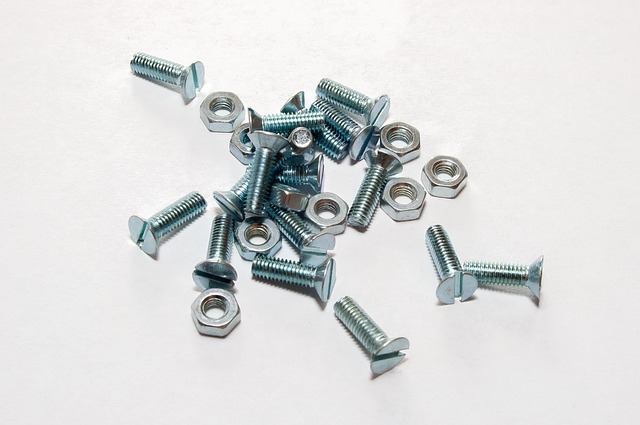
The Frequency and Causes of Screw-Related Road Damage
Loose or spilled screws frequently originate from unsecured loads on trucks or poorly managed construction sites. When these metal fragments scatter across asphalt, they puncture tires and chip road surfaces. In many cases, screws fall from maintenance vehicles or temporary barriers due to vibration and inadequate fastening. Over time, repeated incidents lead to cumulative damage that demands frequent resurfacing work. Traffic delays follow as maintenance teams conduct emergency repairs, creating a cycle of inefficiency that strains both budgets and public patience.
Economic and Safety Implications for Motorists and Infrastructure
Each tire puncture represents a direct cost to motorists—replacement fees, towing charges, or lost work hours. On busy highways, even minor roadside stops increase collision risks as drivers slow down unexpectedly. For infrastructure agencies, the financial toll is higher still. Frequent cleanups require additional labor hours and equipment use, diverting resources from planned maintenance projects. According to industry data from transport authorities in Europe, debris-related incidents can raise annual maintenance costs by up to 15%, depending on traffic density and local weather conditions.
Exploring Self-Screwing Screw Technology
To mitigate these recurring hazards, engineers have begun exploring smart fastening systems capable of self-correction when loosening occurs. Among them, the self screwing screw stands out for its adaptive design that reacts to environmental conditions.
Definition and Core Mechanism of Self-Screwing Screws
A self-screwing screw is designed to automatically embed itself into compatible materials without external torque application after initial contact. Its threading geometry responds dynamically to surface pressure or vibration levels, allowing it to tighten when movement is detected. Some advanced models feature magnetic tips or pressure sensors that stabilize their position under heavy load conditions. These characteristics make them suitable for environments where constant vibration threatens joint integrity—such as vehicles transporting heavy equipment or modular road barriers.
Current Applications in Engineering and Construction Fields
In industrial automation, self-screwing screws already play a role in robotic assembly lines where precision fastening reduces human error rates. Robotics systems benefit from their self-alignment capability, which accelerates production cycles while maintaining consistent torque values. In construction machinery manufacturing, these screws integrate with embedded sensors that record installation parameters like torque angle or tension force—data useful for predictive maintenance analytics.
Evaluating the Potential Role in Preventing Motorway Repair Issues
The link between fastening reliability and road safety becomes evident when considering how many motorway incidents stem from loose hardware during transit or installation work. Deploying self-screwing technology could directly address this weak point.
How Self-Screwing Screws Could Minimize Road Debris Risks
When used in vehicle-mounted equipment or temporary road fixtures, self-screwing screws could automatically re-tighten under vibration stress, preventing detachment mid-transport. Embedded micro-sensors might alert operators if improper fastening occurs before release onto the roadway. This proactive feedback loop would significantly reduce the number of stray metal fragments reaching traffic lanes. Over time, fewer puncture-related accidents would occur—a measurable gain for both safety regulators and insurance providers.
Compatibility with Existing Road Maintenance Systems
Integrating this technology into current maintenance fleets would not require extensive redesigns. Most service vehicles already use standardized mounting systems compatible with threaded fasteners; replacing conventional screws with self-screwing variants would be straightforward. Moreover, connecting sensor data from these screws to central maintenance software could allow real-time tracking of fastening integrity along guardrails or signage structures. Predictive analytics tools might then forecast potential failure points before physical degradation appears on-site.
Technical Considerations for Large-Scale Implementation
Scaling any new hardware innovation across national motorway networks involves material durability assessments and cost modeling to justify investment.
Material Science and Durability Requirements
Screws deployed outdoors face extreme temperature shifts—from freezing winters to scorching summer heat—causing expansion-contraction cycles that test material resilience. Therefore, corrosion-resistant coatings such as zinc-nickel alloys or ceramic composites are essential for long-term reliability under constant exposure to moisture and deicing salts. Additionally, optimizing thread geometry prevents over-torqueing during automated installation while minimizing surface wear on concrete or steel substrates commonly found in motorway fixtures.
Manufacturing and Cost Efficiency Factors
Automated production lines can maintain consistent quality control while reducing per-unit labor costs through machine calibration rather than manual inspection. Though initial adoption may involve higher procurement expenses compared with standard fasteners, reduced frequency of road repairs can offset these costs within two to three fiscal years based on projected savings models used by several European infrastructure agencies. Coordinating supply chains between hardware manufacturers and public works departments ensures steady availability for large-scale rollout programs.
Broader Implications for Transportation Infrastructure Innovation
Introducing smart fastening components like the self screwing screw aligns with broader trends toward digitized infrastructure management under smart city frameworks.
Integration with Smart Road Technologies and IoT Systems
Future motorway networks increasingly incorporate Internet-of-Things (IoT) sensors embedded within pavement layers or roadside structures. By linking self-screwing screw sensors into this ecosystem, authorities could receive live updates about mechanical stability at thousands of locations simultaneously. Alerts generated by abnormal torque readings would trigger preventive maintenance scheduling before structural failures occur—reducing downtime while improving asset longevity through data-driven interventions.
Regulatory, Environmental, and Industry Adoption Challenges
Before widespread deployment becomes feasible, transportation authorities must agree on standardized testing protocols covering load tolerance thresholds and electronic signal calibration ranges for embedded sensors. Environmental assessments should confirm that new alloys or coatings meet sustainability benchmarks established by ISO environmental management standards (ISO 14001). Collaboration among manufacturers, civil engineers, policymakers, and insurers will determine how quickly such innovations reach operational maturity across jurisdictions with differing procurement rules.
FAQ
Q1: What causes most screw spills on motorways?
A: They usually result from unsecured cargo loads or poorly maintained construction tools that release hardware during transit vibrations.
Q2: How does a self screwing screw differ from standard fasteners?
A: It automatically adjusts its threading engagement based on surface contact pressure or motion changes without manual retightening.
Q3: Can existing highway equipment use self-screwing technology?
A: Yes, most modern fittings can accommodate these screws with minimal modification since their dimensions match conventional standards.
Q4: What are the expected cost benefits for road agencies?
A: Reduced debris cleanup frequency lowers operational spending over time despite higher initial component prices.
Q5: Are there regulatory standards governing smart fasteners?
A: Not yet universally; however international bodies like ISO are developing frameworks addressing performance verification for sensor-integrated mechanical components.


