

Johnny bolts explained for toilet flange and closet bolt installations
What are Johnny bolts?
Johnny bolts are the toilet mounting bolts that pass through the base of a floor-mounted water closet and lock into the closet flange below. In trade language, they are more commonly called closet bolts or toilet flange bolts. The phrase “johnny bolts” is often used informally by homeowners and installers, while “Johni-Bolts” is a branded product name associated with Hercules and Oatey.
In practice, people usually search for this part because they need to identify the hardware, choose a replacement, or find out why a toilet is loose, rocking, or leaking after the bolts have rusted, bent, pulled through the flange, or been overtightened.
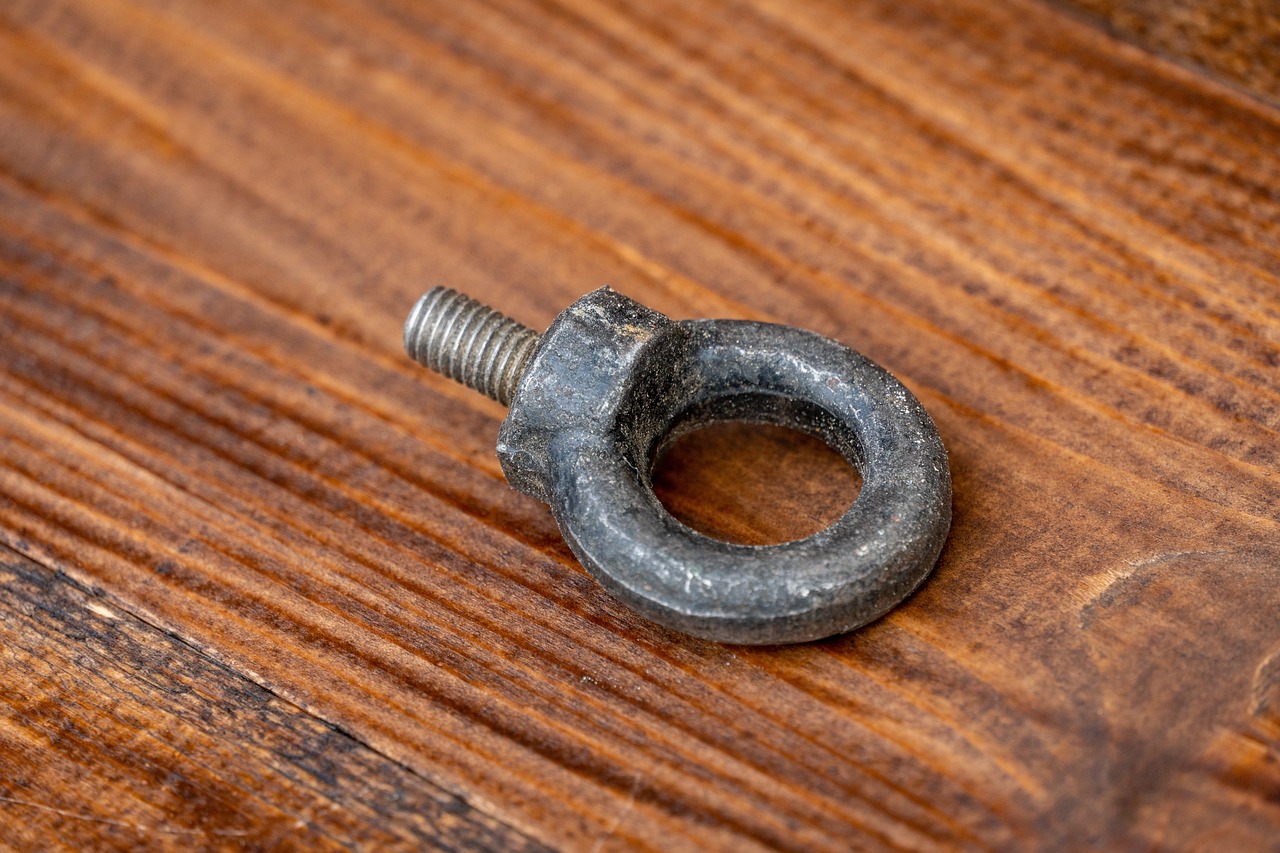
For broader fastening context, the Bolts & Fasteners section covers related hardware topics across materials and applications.
Why the name matters
The part is simple, but the names around it often cause confusion. “Johnny bolts” usually refers to the same practical item as closet bolts: a pair of bolts, washers, and nuts used to secure the toilet bowl to the flange. “Closet” comes from the plumbing term “water closet,” so a closet bolt is plumbing hardware, not a cabinet fastener.
The branded term “Johni-Bolts” refers to a specific style sold by Oatey’s Hercules line. Oatey describes Johni-Bolt as a patented brass closet bolt with a snap-off slot and captive washer. Those features matter because many installation problems start before final tightening: the bolt drops through the flange slot, leans out of position, or has to be cut after the bowl is set. A captive washer helps keep the bolt upright, while a snap-off upper section can reduce cutting in some installations.
In purchasing and specification language, use “closet bolts” or “toilet flange bolts” when you need a generic part. Use “Johni-Bolts” only when you specifically mean the branded product. In everyday searches, “johnny bolts” remains a common misspelling or phonetic version of the same idea.
How Johnny bolts work in a toilet assembly
A floor-mounted toilet is not normally screwed directly into the finished flooring. The bowl sits over the drain opening, seals against a wax ring or approved gasket, and is held down by bolts locked into the closet flange. The flange connects the fixture to the drainage system and provides the mechanical anchoring point for the bowl.
The 2024 International Plumbing Code describes floor outlet fixture connections as using a floor flange or a waste connector and sealing gasket. It also states that the flange is attached to the drain and anchored to the structure. In the same section, the model code requires floor outlet fixtures to be secured by corrosion-resistant screws or bolts. Local adoption and amendments vary, but the direction is clear: the fastener is part of a structural and sealing system, not decorative hardware.
For that reason, replacing the bolts alone may not solve a rocking toilet. If the flange is cracked, loose, set too low, or not anchored to a firm base, new Johnny bolts may tighten briefly and then loosen again. The bolts clamp the bowl to the flange; they do not repair a weak flange, compensate for an uneven floor, or restore a failed seal by themselves.
Materials, sizes, and styles to compare
Most toilet bolt choices come down to corrosion resistance, length, diameter, and how the bolt is retained in the flange. Oatey’s current product information lists standard Johni-Bolts at 2¼ inches long and extra-long versions at 3½ inches long. Common diameters in retail and trade channels include 1/4 inch and 5/16 inch, though the right size depends on the flange slot, bowl opening, and supplied hardware.
| Feature | What to check | Why it matters |
|---|---|---|
| Material | Solid brass, copper alloy, stainless steel, nylon, or plated steel | Bathrooms expose fasteners to moisture, cleaning chemicals, and occasional leaks, so corrosion resistance is a practical requirement. |
| Length | Standard 2¼ inch or extra-long 3½ inch styles | Extra length helps when the flange sits lower than ideal, but excess bolt length may need trimming or snap-off features. |
| Diameter | Often 1/4 inch or 5/16 inch | The bolt head must lock into the flange slot, and the shank must pass through the bowl opening and cap hardware. |
| Retention | Captive washer, friction washer, or separate nut-and-washer setup | Good retention keeps the bolt upright while the toilet is lowered into place. |
| Top finish | Acorn nut, cap washer, trim cap, or snap-off end | The visible hardware should tighten securely and still allow the cap to sit properly. |
Solid brass is common because it resists rust and is consistent with the copper-alloy language often used in plumbing code provisions for closet screws and bolts. Brass-plated steel may be less expensive, but once the plating is damaged, exposed steel can rust. Nylon bolts avoid metallic corrosion, although installers should confirm load expectations and local acceptance for the specific job.
Choosing the right Johnny bolts for replacement
Start with the condition of the flange, not just the old bolt. If the flange slots are broken, enlarged, or no longer hold the bolt head, a stronger bolt will not fix the connection. A repair ring or flange replacement may be needed before new hardware is installed. If the flange is stable, remove enough old wax or gasket material to inspect the slots, anchor screws, and finished floor level.
Choose standard-length bolts when the flange height and bowl base are typical. Choose extra-long bolts when added flooring, a flange extender, or a recessed flange leaves too little thread above the bowl. Extra-long does not mean better in every case; too much protruding thread can interfere with caps and may require cutting. Snap-off styles are useful when a clean cap fit is expected and access for cutting is limited.
Match the bolt diameter to the flange slot and bowl hardware. A bolt that is too small may rotate or fail to seat in the slot. A bolt that is too large may not pass cleanly through the bowl base or trim washer. If the original hardware was severely corroded, do not assume it was the correct material or size. Older repairs often leave mixed hardware behind. See also: Fittings & Valves.
For bathrooms, laundry areas, rental maintenance, or any installation where moisture exposure is likely, prioritize solid brass or another corrosion-resistant material. The visible nut and washer matter too. A corrosion-resistant bolt paired with a poor washer can still stain the base, seize during future removal, or lose clamping reliability.
Installation limits and common mistakes
Johnny bolts are designed to hold the bowl in place, not to pull an uneven toilet flat against the floor. If the bowl rocks before tightening, correct the support problem first with proper shimming or floor correction. Tightening the nuts to force the bowl down can crack vitreous china. No universal torque value applies across all toilets; manufacturer instructions and careful hand tightening are safer references than a fixed number.
A common installation sequence is to position the bolts in the flange slots, hold them upright with washers or retainers, set the wax ring or approved gasket as directed, lower the bowl straight down over the bolts, press evenly, and then tighten each side gradually. Alternating sides helps keep the bowl aligned. Once the hardware is snug, install cap washers, trim excess length if needed, and fit the caps.
Do not rely on caulk to secure a loose toilet. Sealing the base may be required or expected in some jurisdictions and can improve cleanability, but it is not a substitute for a sound flange, stable floor contact, and corrosion-resistant fasteners. If the toilet moves after tightening, stop and inspect the flange instead of continuing to crank down on the nuts.
Another common mistake is reusing old bolts when the toilet is removed for a wax ring replacement. The incremental cost of new closet bolts is small compared with the labor of resetting the toilet. If the old bolts are rusty, bent, stripped, mismatched, or difficult to remove, replacement is usually the more reliable choice.
When to replace Johnny bolts
- The toilet rocks even after normal tightening and shimming checks.
- The nuts spin without clamping, suggesting the bolt head is no longer held by the flange.
- Visible rust, green corrosion, or staining appears around the caps.
- The toilet has been removed for a new seal, remodel, flooring change, or flange inspection.
- The bolt length prevents the cap from seating or leaves too little thread for secure tightening.
- The flange repair changes the slot geometry or requires a different bolt diameter.
Replacement is also a chance to evaluate the whole connection. The bolt, flange, wax ring or gasket, finished floor, and bowl base work together. Treating Johnny bolts as part of that system leads to better installations than treating them as two small nuts under decorative caps.
Frequently asked questions
Are Johnny bolts the same as closet bolts?
In most conversations, yes. Johnny bolts is an informal name for the bolts that secure a toilet to the closet flange. Closet bolts or toilet flange bolts are the more generic and technically clear terms.
Are Johni-Bolts a brand name?
Yes. Johni-Bolts is a branded product name associated with Hercules and Oatey. The brand describes a brass closet bolt design with a captive washer and snap-off slot. Not every “johnny bolt” search result refers to that exact branded product.
What length should toilet bolts be?
Many standard closet bolts are about 2¼ inches long, while extra-long versions are commonly about 3½ inches. Use the shortest length that provides enough thread above the bowl for the washer and nut while still allowing the cap to fit.
Should toilet bolts be brass?
Brass or copper-alloy hardware is widely used because it resists corrosion in damp bathroom conditions. Model plumbing code language also emphasizes copper alloy or corrosion-resistant materials for this type of connection. Always check local code and the fixture manufacturer’s instructions.
Can tightening Johnny bolts stop a leak?
Sometimes a loose bowl contributes to seal failure, but tightening alone is not a reliable leak repair. If water appears around the base, the toilet usually needs to be removed so the seal, flange, floor support, and bolts can be inspected together.


