Teng Tools socket set guide for drive sizes, trays and workshop use
What buyers usually mean by a Teng Tools socket set
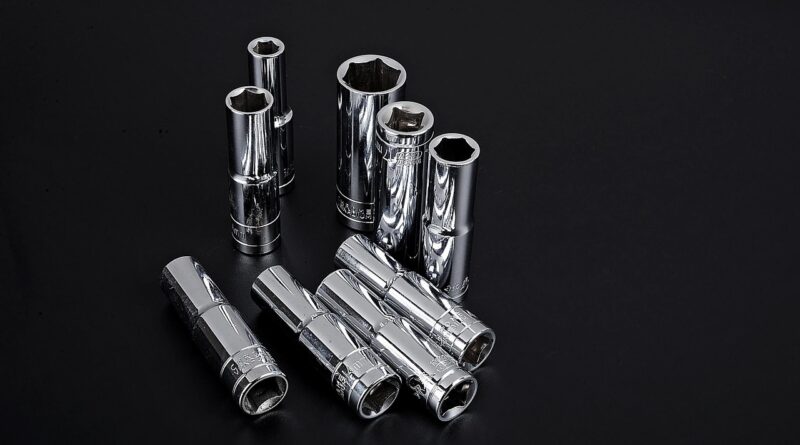
A Teng Tools socket set is not one fixed product. It usually refers to a range of socket kits built around different drive sizes, socket profiles, measurement systems, and storage formats. For most buyers, the useful question is not which set has the highest piece count, but which one matches the fasteners, access limits, and storage method used in the workshop.
Teng Tools product information shows several common patterns: compact 1/4 inch kits for small fasteners, 3/8 inch sets for general mechanical work, 1/2 inch sets for higher-load tasks, and mixed-drive foam or case sets for broader coverage. Some sets focus on metric sizes, some include SAE sizes, and some are designed around Teng Tools’ modular tray system. For professional or serious DIY use, start with the jobs you do most often, then choose the drive size, socket depth, profile, and storage format around that work.
For more workshop and hand tool coverage, see the Tools & Power section.
How the main Teng Tools socket set formats differ
Teng Tools socket sets are commonly sold in portable blow-molded cases, modular TT trays, EVA foam trays, and larger mixed-drive sets. The best format depends on whether the tools need to travel, stay in a roller cabinet, or fit into a controlled workshop storage system.
| Set format | Typical strength | Best fit |
|---|---|---|
| Portable case set | Keeps sockets, ratchets, and accessories together for mobile work | Vehicle kits, field maintenance, home garages |
| TT tray set | Organized module designed for drawer systems and tool control | Workshops building a staged tool collection |
| EVA foam set | Clear visual layout, missing-tool visibility, and tidy drawer storage | Professional benches, service carts, shared work areas |
| Mixed-drive set | Covers several fastener sizes and torque ranges in one package | Mechanics who need broad coverage without buying many separate kits |
Manufacturer product descriptions show this variety clearly. The T1272 Mecca Pro set, for example, is presented as a 72-piece 1/4 inch and 1/2 inch socket set in a case. The TTESK73 is described as a 73-piece EVA foam set with 1/4 inch, 3/8 inch, and 1/2 inch drive tools. The TED1489 focuses on a 1/4 inch drive layout with sockets, bits, and a 72-tooth ratchet in a foam module. These examples show why piece count alone can be misleading: a 73-piece mixed-drive tray and an 89-piece 1/4 inch set are built for different users.
Drive size is the first real decision
Drive size affects access, tool strength, ratchet size, and the type of fasteners a socket set can sensibly handle. A larger drive is not automatically better. A compact 1/4 inch ratchet can reach places where a 1/2 inch ratchet is awkward, while a 1/2 inch drive is more appropriate for larger fasteners and heavier mechanical work.
1/4 inch drive for compact work
A 1/4 inch Teng Tools socket set is usually the right choice for smaller fasteners, trim work, light mechanical jobs, appliances, maintenance around electronics housings, bicycles, and tight engine bay access. These sets often combine shallow sockets, small extensions, bit sockets, and a fine-tooth ratchet. Teng Tools product listings commonly describe 72-tooth ratchets in this category, meaning the ratchet mechanism indexes with small handle movements. That helps in tight areas, although it does not replace correct torque technique.
3/8 inch drive for general use
The 3/8 inch drive size is often the most balanced option for general automotive and machinery work. It is compact enough for many access-restricted jobs but stronger and more versatile than a small 1/4 inch setup. Buyers who do not already own sockets often start with 3/8 inch metric coverage, then add 1/4 inch or 1/2 inch sets as their work demands.
1/2 inch drive for heavier tasks
A 1/2 inch drive Teng Tools socket set is better suited to larger fasteners, suspension work, wheel-related service, agricultural equipment, and heavier workshop tasks. These sets often include longer extensions, breaker bars, larger ratchets, or other accessory pieces. The trade-off is size and access: a 1/2 inch ratchet and socket can be too bulky for smaller assemblies.
Socket profile, depth, and measurement system matter
After drive size, the next decisions are socket profile, depth, and whether the set should be metric, SAE, or mixed. These details determine whether the socket will properly fit the fasteners already in your work area.
6 point versus 12 point sockets
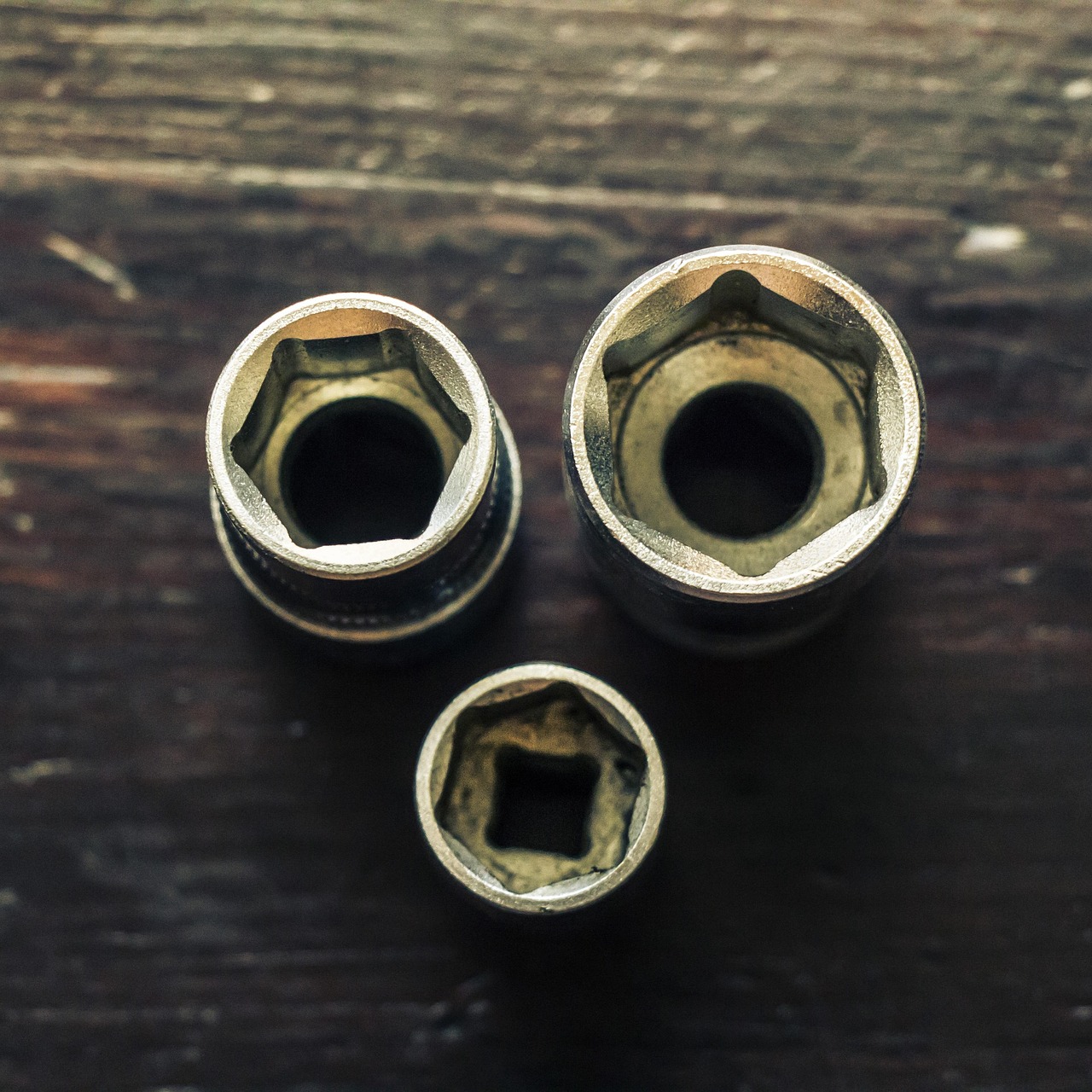
Six-point sockets are designed around hex fasteners and give broad contact on the flats of the nut or bolt head. They are often preferred for stubborn or higher-load fasteners because they reduce the chance of rounding when the socket is correctly sized and fully seated. Twelve-point sockets provide more engagement positions and can be convenient in confined spaces, but they are less forgiving on damaged, corroded, or heavily loaded hex fasteners.
Many Teng Tools product descriptions clearly identify whether a set is 6 point or 12 point. Buyers should not treat this as a minor specification. For everyday workshop use, a 6-point set is usually the more conservative starting point, while a 12-point set can be useful where access and speed matter more than maximum grip on difficult fasteners.
Shallow and deep sockets
Shallow sockets are compact and useful where there is little room above the fastener. Deep sockets are needed for long studs, recessed nuts, and fasteners where a shallow socket bottoms out before fully engaging. A useful workshop setup often includes both, but a portable set may force a choice. Before buying, compare the set contents against common jobs such as brake work, battery terminals, engine covers, brackets, furniture hardware, machinery guards, and general maintenance. Each can have different depth requirements.
Metric versus SAE coverage
Most modern automotive and machinery work outside North America leans heavily metric, while SAE sizes remain important for many U.S. vehicles, older equipment, agricultural machinery, and imported tools or fixtures built around imperial fasteners. Teng Tools offers both metric and SAE socket options in different configurations. The safest approach is to buy for the fasteners already in your workspace, not for the largest printed range on the packaging.
Storage systems can change how useful the set feels
Storage is not just presentation. It affects speed, loss prevention, and whether the socket set fits into a broader workshop system. Teng Tools is known for organized cases and modular trays, and many product descriptions emphasize foam layouts, TT trays, or tool control compatibility.
A portable case is practical when tools move between locations. The case protects the set, keeps accessories together, and makes it easier to see whether a socket has been left behind. However, case hinges, latches, and molded positions can become inconvenient if the set is opened and closed repeatedly at a bench every day. See also: Bolts & Fasteners.
Foam trays and modular drawers are better for fixed workshops. A pre-cut foam layout shows where each item belongs, which can reduce time spent searching for sockets. It also makes missing tools obvious at the end of a job. That matters in shared shops, maintenance departments, motorsport environments, and any workplace where a misplaced socket can delay work or create a safety issue.
The trade-off is portability. A foam tray is excellent inside a roller cabinet, but it may be less convenient than a closed case for roadside or field use. If the socket set will live in a van, truck, or jobsite bag, a robust portable case may be more useful than a drawer-optimized tray.
Standards, materials, and safe use to check before purchase
Teng Tools product descriptions commonly reference chrome vanadium steel and DIN or ISO standards on hand socket sets. These details are useful because they indicate that the sockets are designed around recognized dimensional expectations. Standards references should still be read alongside the actual product application. They do not mean every socket is suitable for every tool or every load condition.
One safety distinction is especially important: hand sockets and impact sockets are not the same. Chrome hand sockets from a standard socket set should not be used on impact guns. Impact sockets are built for impact loading and may require the correct retaining ring and pin system, depending on the tool and socket type. If the work involves an impact wrench, buy impact-rated sockets rather than assuming a regular Teng Tools chrome socket set can do the same job.
Ratchet tooth count is useful, but it can be overvalued. A 72-tooth ratchet offers a smaller swing arc than a lower-tooth-count ratchet, which helps in confined areas. But tooth count should not be the only buying criterion. Handle length, head shape, release mechanism, repairability, socket fit, and the included extensions can matter just as much in daily use.
A practical checklist before buying
Use the following checklist to compare Teng Tools socket set options without being distracted by piece count alone:
- List your common fasteners. Confirm whether your work is mostly metric, SAE, or a mix of both.
- Choose the drive size around the task. Pick 1/4 inch for small access work, 3/8 inch for general use, and 1/2 inch for larger fasteners.
- Check socket profile. A 6-point set is often the safer starting point for mechanical work; 12-point sockets may suit faster access in lighter conditions.
- Look for the depths you need. Shallow sockets are compact, while deep sockets are essential for studs and recessed fasteners.
- Review accessories. Extensions, universal joints, adaptors, spinner handles, and breaker bars can make a set much more useful.
- Match the storage to your workflow. Choose a case for mobile work and foam or tray storage for drawers and tool control.
- Separate hand and impact use. Do not use regular chrome sockets on impact tools; buy impact-rated sockets for that application.
- Avoid buying only by piece count. A smaller, better-matched set can be more useful than a larger set filled with rarely used sizes.
For a first serious socket setup, a practical route is to start with a 3/8 inch metric 6-point set, then add 1/4 inch tools for compact access and 1/2 inch tools for heavier fasteners. If your work is U.S.-equipment-heavy, add SAE coverage early. If your tools live in a workshop cabinet, consider a Teng Tools tray or foam format from the beginning so the system can grow without reorganizing everything later.
Frequently asked questions
Is a Teng Tools socket set suitable for professional workshop use?
Many Teng Tools socket sets are positioned for professional and serious workshop use, especially the tray and foam systems designed for organized storage. Suitability still depends on choosing the correct drive size, socket type, and hand or impact rating for the task.
Should I choose a metric or SAE Teng Tools socket set?
Choose metric if most of your work involves modern vehicles, machinery, bicycles, or equipment built around metric fasteners. Choose SAE if you service older U.S. equipment, imperial machinery, or vehicles and fixtures that use inch-based fasteners. Some workshops need both.
Are 72-tooth ratchets always better?
Not always. A 72-tooth ratchet is helpful where there is limited swing room because it can engage with smaller handle movement. However, head size, handle length, comfort, durability, and the sockets included in the set can be more important than tooth count alone.
Can I use regular Teng Tools chrome sockets with an impact wrench?
No. Regular chrome hand sockets should not be used on impact guns. Use impact-rated sockets and the correct retention method for the tool. This is a safety issue as well as a tool-life issue.
What is the best first Teng Tools socket set to buy?
There is no single best choice for every buyer. For general mechanical work, a 3/8 inch metric 6-point set is often a sensible starting point. Add 1/4 inch tools for tight access, 1/2 inch tools for larger fasteners, and SAE sizes if your equipment requires them.


