
How Do You Choose Brass Pipe Fittings for Potable Water and Industrial Projects
If you work with potable water, compressed air, fuel gas, irrigation, or machine cooling, brass pipe fittings are often the small parts that decide whether the line seals properly or keeps causing trouble. A fitting is not expensive next to a pump, heater, or manifold, but the wrong thread, alloy, or certificate can hold up a shipment or fail inspection. I would not choose these parts by unit price alone. The safer way is to check the service condition, standard, and buying details before the order is placed.
Why Do Brass Pipe Fittings Still Matter in Modern Piping?
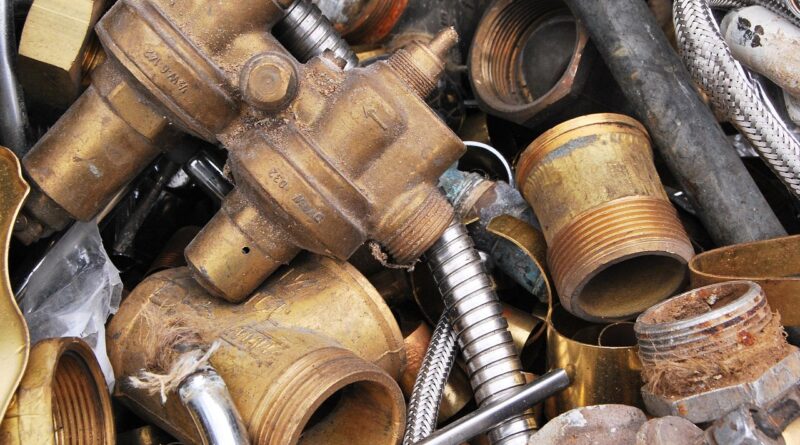
Brass is still used because it gives a workable balance of strength, easy machining, corrosion resistance, and clean threads. Plastic, stainless steel, and copper all have their own place, but brass often works well at the connection point. This is especially true when a valve, gauge, tube, hose, or appliance has to be joined without making the system too complicated.
Practical Strength in Tight Spaces
Brass fittings are common in small plumbing rooms, service panels, manifolds, and equipment skids because they can take repeated assembly better than many softer materials. A small elbow behind a water heater, for example, still needs enough body strength for wrench work without taking up too much space. That balance is one reason brass stays common in repair jobs and OEM assemblies.
Good Machinability for Reliable Threads
Threads matter more than the catalog photo. Brass machines cleanly, so NPT, BSPT, BSPP, flare, and compression details can be made with clear thread forms and smooth sealing faces. You still need the correct thread family, but a well-made brass thread usually feels right in the first few turns. If it binds early, stop and check it, because that small pause can prevent a cracked female port.
Broad Use Across Water, Air, and Gas
You can find brass in potable water systems, air compressors, low pressure gas lines, hydraulic controls, refrigeration service parts, and agricultural sprayers. The point is not to treat every brass part as if it can do the same job. Potable water, fuel gas, and industrial fluids need different approvals, seal materials, and pressure ratings. That difference should be clear before the buyer confirms the item code.
Which Brass Pipe Fittings Should You Choose for the Job?
The right fitting style depends on whether the joint must be permanent, serviceable, or quick to connect in the field. Start with the pipe or tube type, then confirm the fluid, pressure, temperature, and local code. It sounds basic, but many wrong orders still begin with a photo and no thread note.
Threaded Fittings for Serviceable Connections
Threaded brass elbows, tees, couplings, bushings, nipples, and plugs are useful where parts may need later service. They are often used around gauges, shutoff valves, regulators, and equipment ports. NPT and BSP threads are not interchangeable, even when the size looks close. For export orders, write the thread standard clearly on drawings, cartons, and inspection sheets, so the same mistake does not move from purchasing to warehouse.
Compression Fittings for Fast Field Work
Compression fittings suit copper, plastic, or metal tubing where soldering or welding is not wanted. They are common under sinks, on ice maker lines, in control cabinets, and in light industrial equipment. The tube outside diameter, ferrule material, and nut style must match the job. Reusing old ferrules may save a few minutes on site, but it often causes slow seepage later.
Barbs, Adapters, and Unions for Mixed Systems
Hose barbs, male adapters, female adapters, reducers, and unions solve many mixed-material layouts. A pump may need a brass male thread on one side and a hose barb on the other. For these parts, check barb diameter, hose hardness, clamp choice, and flow path before you approve the sample. A cheap barb with a rough ridge can cut soft hose after some time in service.
How Do Standards Shape Safe Brass Pipe Fittings?
Standards help buyers separate a workable fitting from a risky copy that only looks similar. They do not replace project judgment, but they give buyers, inspectors, and installers the same language for lead content, dimensions, pressure classes, markings, and material grades.
Lead Content Rules for Drinking Water
For U.S. drinking water applications, the Safe Drinking Water Act definition of lead free is a weighted average of not more than 0.25 percent lead across wetted surfaces for pipes, pipe fittings, plumbing fittings, and fixtures, plus 0.2 percent for solder and flux. Source: U.S. EPA guidance on lead free plumbing materials, updated in 2026. The EPA also finalized Lead and Copper Rule Improvements in October 2024, requiring public water systems to replace lead service lines within ten years. That is why lead-related documents now get checked more closely in potable water projects.
Product Standards for Shape and Pressure Class
ASME B16.15-2024 covers cast copper alloy threaded fittings in Classes 125 and 250, while ASME B16.18-2021 covers cast copper alloy solder joint pressure fittings. Source: ASME product standard information. ASTM B62-17(2025) covers composition bronze or ounce metal castings used for valves, flanges, and fittings, including UNS C83600, often described as 85-5-5-5 bronze. Source: ASTM International. That alloy reference is helpful, but it does not mean the product is ready for potable water unless it also meets lead free requirements.
Listing Marks That Support Inspection
For potable water, buyers often ask for NSF/ANSI/CAN 61 and NSF/ANSI/CAN 372 related proof. NSF states that Section 9 mechanical plumbing device criteria became mandatory for certification on January 1, 2024, and NSF/ANSI/CAN 372 gives a method for verifying lead content. Source: NSF technical guidance, 2024 and 2026. The 2024 Uniform Plumbing Code from IAPMO also gives inspectors a framework for potable water, building supply, and distribution systems, which is why many project teams ask for this information before installation. Source: IAPMO 2024 UPC information.
When Does Brass Beat Stainless Steel, Copper, or Plastic?
No material is best for every line. Brass is a sensible choice when the job needs clean threads, moderate corrosion resistance, and easy field assembly at a fair cost. It may not be the right choice for strong chemicals, very high temperatures, or water chemistry that is known to attack zinc-rich alloys.
Brass vs Stainless Steel in Cost and Workability
Stainless steel is strong and performs well in many corrosive settings, but it costs more and can gall during threading if the parts are not matched well. Brass is easier to machine and is often easier for installers to handle. For gauges, small valves, regulators, and normal water or air lines, brass can give a clean and practical connection. In those cases, using stainless steel everywhere may add cost without solving a real problem.
Brass vs Copper in Threaded Transitions
Copper tube is good for straight runs, but brass is often better where copper meets a valve, threaded appliance, or manifold. A solder adapter or press transition can take the line from tube to thread with a stronger connection point. Many installers still choose brass at these transitions, even when most of the line is copper. It is a simple detail, but it can make service work easier later.
Brass vs Plastic in Heat and Thread Strength
Plastic fittings are light and corrosion resistant, but female plastic threads can split if a metal male fitting is over-tightened. Brass handles wrench load better and usually keeps its thread shape during service work. Mixing brass and plastic still needs care. Use the right sealant, avoid over-torque, and support the pipe so the fitting is not carrying bending load. See also: Bolts & Fasteners.
What Causes Leaks, Corrosion, or Early Failure?
Most fitting trouble comes from a short list of causes: wrong thread, poor sealing practice, bad water chemistry, rough handling, or unclear specifications. There is no reliable public failure-rate dataset that covers all small brass fittings by alloy, thread style, and application. In real purchasing work, buyers usually depend on standards, samples, pressure tests, and supplier records instead of broad claims.
Wrong Thread Type or Poor Sealant
An NPT male thread may seem to start inside a BSP female port, but the pitch and sealing method are not the same. That mistake can pass a quick dry fit and fail under pressure. Use thread gauges on incoming checks, especially when parts come from different sources. For tapered threads, apply seal tape or compound as specified, but do not cover the first thread with too much tape.
Dezincification in Harsh Water
Some water can attack zinc in brass and leave a weak copper-rich structure behind. The part may look pinkish, crusty, or brittle when this happens. If a project has hot water, high chlorides, low pH, or a past dezincification issue, ask for dezincification-resistant brass or another alloy. This is not a good place to save a few cents on the fitting.
Over-Tightening and Mixed-Metal Contact
Brass can crack when a tapered male thread is driven too deep into a female fitting. The crack may be very thin, and it may only show after a pressure cycle. Mixed metals also need attention in damp or outdoor settings. If brass connects to steel, stainless, aluminum, or copper, check galvanic risk, dielectric separation, and drainage before the layout is approved.
How Should You Specify Brass Pipe Fittings for Import or Wholesale Orders?
A good purchase order is plain, but it saves trouble. It should name the fitting type, size, thread, alloy, finish, pressure class, approval, packing, and inspection method. That detail helps the factory quote the right part and helps your warehouse avoid mystery cartons later.
Drawing Details That Avoid Guesswork
List nominal size, thread system, end connection, hex size, overall length, bore, tolerance, and sealing surface. Add whether the item is for potable water, gas, air, oil, or general industrial use. If the fitting connects to another branded component, check the mating port before sample approval. A sample matched to the wrong port can still look perfect on the desk.
Material and Certificate Checks
Ask for material grade, lead free declaration when needed, test reports, and listing documents. For potable water, do not accept vague wording like suitable for water as a substitute for recognized compliance. For non-potable industrial fittings, state the fluid clearly on the order. Cutting oil, coolant, steam condensate, and compressed air are not the same service, even if the fittings look similar.
Packaging, Marking, and Lot Control
Small brass parts move through many hands before installation. Good packing helps prevent thread dents, mixed sizes, and surface scratches. Use bag labels or carton marks for size, thread, material, lot number, and quantity. For wholesale orders, a simple barcode label can prevent many warehouse mistakes. It is not a showy detail, but it works.
- Confirm the exact thread family before ordering.
- Separate potable and non-potable brass fittings in your item list.
- Request samples before large production runs.
- Check markings, weight, threads, and sealing faces during incoming inspection.
- Keep certificates linked to lot numbers, not just to a supplier name.
FAQ
Q1: Are Brass Pipe Fittings Safe for Drinking Water? A: They can be safe when they meet lead free rules and carry the needed potable water approvals. For U.S. projects, check the 0.25 percent weighted average lead limit for wetted surfaces and ask for proper certification documents.
Q2: What Is the Difference Between NPT and BSP Brass Fittings? A: NPT is a U.S. tapered pipe thread. BSP may be parallel or tapered, depending on BSPP or BSPT. They can look similar, but they do not seal the same way. Always mark the thread type on orders and drawings.
Q3: Can Brass Fittings Be Used With Stainless Steel Pipe? A: Sometimes, yes, but the fluid, temperature, pressure, and corrosion setting must be checked. In wet or outdoor settings, mixed metals can raise galvanic corrosion concerns, so a designer or qualified installer should review the joint.
Q4: Why Do Some Brass Fittings Turn Pink? A: A pink color can point to dezincification, where zinc leaves the brass surface and a copper-rich layer remains. It is more likely in harsh water. If this has happened before on a site, ask for DZR brass or another suitable material.
Q5: What Should You Check Before Buying Brass Pipe Fittings in Bulk? A: Check application, size, thread, alloy, lead free status, pressure rating, standard, surface finish, marking, packaging, sample quality, and certificate traceability. A clear checklist costs little and prevents expensive returns.


