

Stainless 316L explained for corrosion resistance, welding, and surface selection
What stainless 316L is and when it makes sense
Stainless 316L is the low-carbon version of 316 austenitic stainless steel. It is commonly specified as UNS S31603 or EN 1.4404. Its value in service comes mainly from two features: molybdenum improves resistance to chloride-related pitting compared with 304, and the low carbon level helps reduce sensitization risk in welded sections.
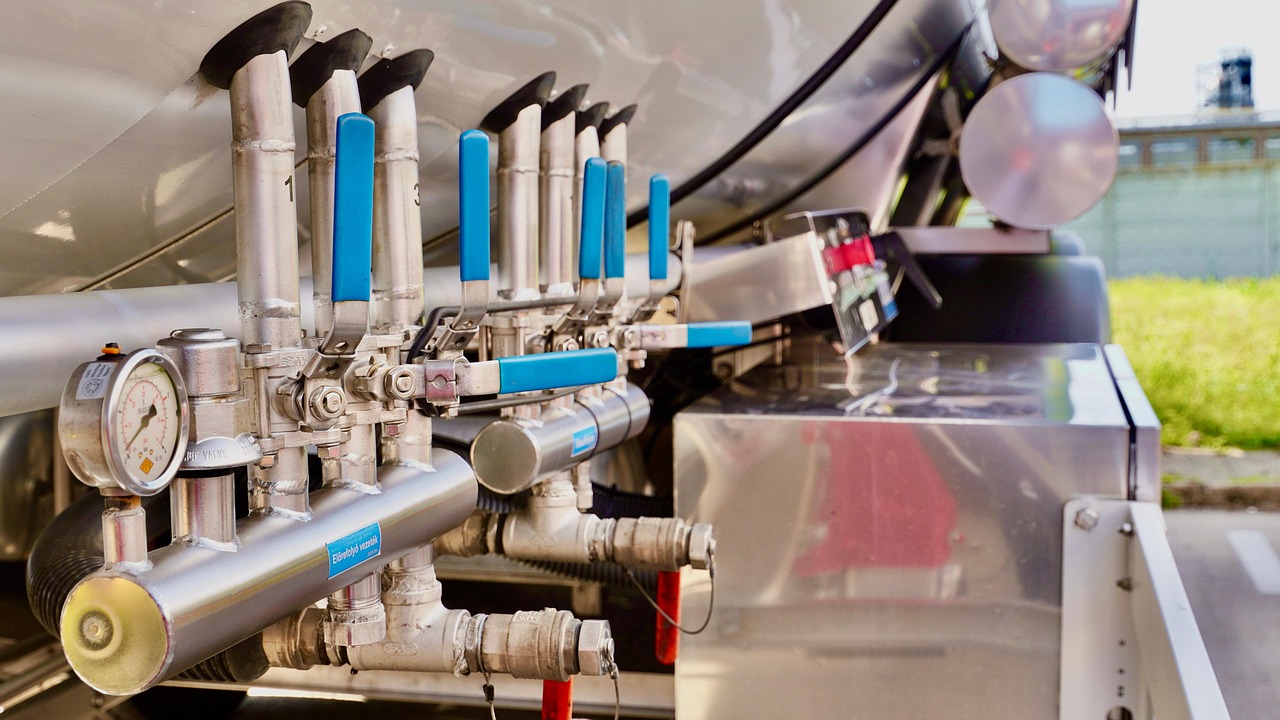
Those properties make 316L a common choice for fabricated tanks, piping, process equipment, coastal architectural components, food-contact equipment, and medical or laboratory hardware. It is not, however, a corrosion-proof metal. Warm chlorides, stagnant seawater, crevices, bleach residues, poor weld cleaning, and rough surfaces can still lead to pitting, tea staining, or stress-corrosion cracking. For buyers and designers, the key question is not simply whether stainless 316L is good. It is whether its chemistry, surface condition, and fabrication route match the actual service environment.
Composition and identifiers that matter on a specification sheet
The grade name 316L is useful in conversation, but purchasing should be tied to the applicable product standard, UNS or EN designation, required condition, and mill test certificate. ASTM A240/A240M is widely used for stainless plate, sheet, and strip, while other ASTM standards apply to bar, pipe, tube, fittings, and forgings. These details matter because the same common grade name can appear across different product forms, thicknesses, finishes, and national designation systems.
| Item | Common value or designation | Why it matters |
|---|---|---|
| Common name | 316L stainless steel | The low-carbon version of 316 |
| UNS designation | S31603 | Useful for North American specifications and mill certificates |
| EN number | 1.4404 | Common European designation for 316L-type material |
| Carbon | 0.03% maximum in typical 316L specifications | Supports better resistance to weld-area sensitization |
| Chromium | About 16.0-18.0% | Forms the passive chromium-rich oxide film |
| Nickel | About 10.0-14.0% | Stabilizes the austenitic structure and supports toughness and fabrication |
| Molybdenum | About 2.0-3.0% | Improves resistance to pitting and crevice corrosion in chloride exposure |
| Indicative PREN | Often listed around 24-26 for standard 316L compositions | Gives a rough comparison of pitting resistance, not a service guarantee |
The composition ranges above are consistent with public technical tables from organizations such as the International Molybdenum Association and the British Stainless Steel Association, but they should not replace the governing purchase specification. For critical service, require a mill test report, positive material identification where appropriate, and confirmation that the supplied product meets the specified standard and heat treatment condition.
How 316L performs against corrosion
316L resists corrosion because chromium forms a thin passive surface film that can reform when clean, oxygenated conditions are available. Molybdenum improves resistance to localized attack, especially in chloride-bearing environments where plain 304 stainless steel may pit earlier. This is why 316L is often chosen for coastal air, deicing-salt exposure, mildly aggressive process fluids, and equipment that must be welded and cleaned.
The main limitation is that corrosion performance is environmental, not absolute. Chlorides become more aggressive as temperature rises, as solutions become stagnant, as deposits trap moisture, or as crevices concentrate salts. A polished 316L panel rinsed by rain can perform very differently from a rough bracket under a washer, a hot gasketed joint, or an uncleaned weld seam exposed to chloride residue. In architectural use, 316L may still develop brown tea staining near coastlines if salt is allowed to accumulate. In process equipment, the same grade may work well in one dilute chemical stream and fail quickly in another if temperature, pH, oxidizers, or cleaning chemicals change.
Compared with 304, 316L is normally the more conservative choice where chlorides or industrial pollution are credible risks. Compared with duplex stainless steels, 904L, 317L, 6% molybdenum stainless steels, titanium, or nickel alloys, 316L is usually less resistant in severe chloride or acid service. This middle position explains its popularity: it is more corrosion resistant than many general-purpose stainless grades, widely available, and easier to fabricate than many higher-alloy alternatives, but it still has clear limits.
Why low carbon changes welding decisions
The L in 316L means low carbon. This matters because conventional austenitic stainless steels can become sensitized if carbon combines with chromium at grain boundaries during unsuitable thermal exposure. Sensitization can reduce corrosion resistance near welds, especially in sections that remain in the critical temperature range long enough for chromium carbide precipitation. Public guidance from the International Molybdenum Association notes that low-carbon stainless should be specified when welded sections above roughly 6 mm are exposed to corrosive environments.
In modern fabrication, 316L is often specified even when 316 might also meet design calculations, because it simplifies welded corrosion service and is broadly available. The grade alone does not make a weld corrosion resistant. Results still depend on suitable filler selection, shielding gas control, avoidance of heat tint where corrosion resistance matters, removal of embedded iron, proper cleaning, and passivation or pickling when required. A weld area with heavy heat tint, grinding contamination, or trapped flux residue can underperform the base metal.
Mechanical behavior also needs to be viewed realistically. 316L is tough and formable in the annealed condition, and it work-hardens during forming. It is not a high-strength stainless in the way duplex or precipitation-hardening grades are. Annealed austenitic stainless is generally non-magnetic or weakly magnetic, but cold work and some weld structures can produce a magnetic response. That response does not automatically prove the material is not 316L.
Surface finish, cleaning, and passivation are part of the material choice
Many stainless failures begin at the surface, not in the nominal chemistry. A smoother, clean surface sheds deposits more easily and reduces sites where chlorides can concentrate. A rough brushed finish may look attractive, but it can hold contaminants more readily than a smoother polished or electropolished finish. In hygienic, pharmaceutical, laboratory, and food-contact equipment, roughness values, cleanability, and drainability may be as important as the alloy name. See also: Bolts & Fasteners.
ASTM A380/A380M covers recommended practices and precautions for cleaning, descaling, pickling, and passivation of stainless steel parts, equipment, and systems. ASTM A967/A967M is commonly referenced for chemical passivation treatments of stainless parts. In practical terms, passivation helps remove free iron and supports formation of a clean passive surface. It cannot turn the wrong alloy into the right one, and it cannot fix a design that traps chloride solution in crevices.
- Use dedicated stainless tools and abrasives to avoid carbon-steel contamination.
- Remove weld heat tint when corrosion resistance is important.
- Avoid crevices, lap joints, and stagnant pockets in chloride service.
- Specify surface finish and roughness where cleanability or appearance matters.
- Rinse cleaning chemicals thoroughly, especially chloride-bearing products.
- Consider electropolishing for applications requiring improved cleanability and reduced micro-roughness.
Application fit and limits compared with nearby grades
316L is often a sensible default when a project needs a weldable stainless steel with better chloride resistance than 304. It is commonly considered for welded tanks, process piping, fasteners, food and beverage equipment, coastal hardware, laboratory benches, pharmaceutical components, heat-exchanger parts, and decorative metalwork exposed to polluted urban air. The case for 316L is strongest where exposure is moderate, cleaning is possible, and surface finish can be controlled.
| Situation | 316L fit | Possible alternative if risk is higher |
|---|---|---|
| Indoor dry service with little chloride exposure | Often more than required | 304 or 304L may be sufficient |
| Welded equipment in mildly corrosive service | Strong fit when fabrication and cleaning are controlled | 316L with specified passivation or pickling |
| Coastal atmosphere with salt deposition | Often used, but maintenance and finish matter | Higher-polished 316L, duplex, or higher-alloy stainless for harsher sites |
| Warm stagnant seawater or brine | High pitting and crevice-corrosion risk | Duplex, super duplex, 6% Mo stainless, titanium, or nickel alloy depending on conditions |
| Bleach, hypochlorite, or chloride cleaning residues | Risk depends on concentration, temperature, time, and rinsing | Process review and material testing are advised |
| High strength structural requirement | Not usually selected for high strength alone | Duplex stainless or other engineered alloys |
The practical lesson is to specify by exposure, not by reputation. The label marine grade is common in the marketplace, but it can mislead readers into assuming seawater immunity. In reality, seawater, salt spray, deposits, temperature, oxygen availability, and crevice geometry all influence whether 316L will remain bright or develop localized attack.
Specification checklist for buyers and designers
For a reliable purchase, the specification should describe the product form, grade, standard, finish, documentation, and post-fabrication treatment. A note that only says stainless steel 316L may be too vague for pressure equipment, hygienic equipment, architectural panels, or machined components. For more background on metals, finishes, and surface behavior, see the Metals & Surfaces section.
- State the grade as 316L with UNS S31603 or EN 1.4404 where appropriate.
- Name the product standard for the form being purchased, such as plate, sheet, bar, pipe, tube, or fittings.
- Require mill test certificates and heat numbers for traceability.
- Define annealed, cold-worked, or other required condition.
- Specify surface finish, roughness, grain direction, and appearance tolerance if visible or cleanable surfaces matter.
- Define welding, filler metal, weld cleaning, heat-tint removal, and passivation requirements.
- Call for positive material identification when grade mix-up would create safety, corrosion, or compliance risk.
- Review crevice details, gasket materials, drainage, and maintenance access before finalizing the design.
Frequently asked questions
Is stainless 316L the same as marine grade stainless steel?
316L is often marketed as marine grade because it contains molybdenum and resists chloride pitting better than 304. The phrase should be used carefully. 316L can still pit or stain in seawater, salt spray, crevices, warm chloride solutions, or poorly maintained coastal installations.
Is 316L better than 304 stainless steel?
It is usually better for chloride resistance and welded corrosion service, but not automatically better for every project. If the environment is dry, indoor, and non-corrosive, 304 or 304L may provide adequate performance at lower cost. If the environment is highly aggressive, 316L may not be enough.
Does 316L stainless steel rust?
It can. Stainless steel stains or corrodes when the passive film is locally damaged or unable to reform. Common causes include chloride deposits, embedded iron, weld heat tint, rough surfaces, stagnant moisture, and incompatible cleaning chemicals. Correct alloy selection, fabrication, cleaning, and maintenance all matter.
Should I choose 316 or 316L for welding?
For welded parts exposed to corrosive environments, 316L is commonly preferred because its lower carbon level reduces sensitization risk. The final choice should still consider the governing code, strength requirement, temperature, filler metal, surface treatment, and service chemistry.


