
Which Pipe Wrench Handles a 3 Inch Black Iron Pipe with Maximum Precision
The Best Pipe Wrenches for Plumbing and Heavy-Duty Repairs
Large-diameter plumbing work demands tools that can deliver both strength and precision. For a 3‑inch black iron pipe, selecting the right pipe wrench is not just about size—it’s about torque control, jaw geometry, and material integrity. The best wrenches for this application are typically 24‑ to 36‑inch models with hardened teeth, balanced handles, and reliable adjustment mechanisms. Straight wrenches handle open access jobs, while offset and chain types perform better in tight or coated applications. Proper maintenance and calibration ensure these tools remain dependable under heavy stress.
Understanding the Requirements for Handling a 3-Inch Black Iron Pipe
Handling a 3‑inch black iron pipe requires awareness of its physical characteristics and how they affect tool selection. These pipes are commonly used in gas lines, steam systems, and industrial plumbing due to their high pressure tolerance. Their coating and threading influence grip performance, making mechanical understanding essential for safe installation.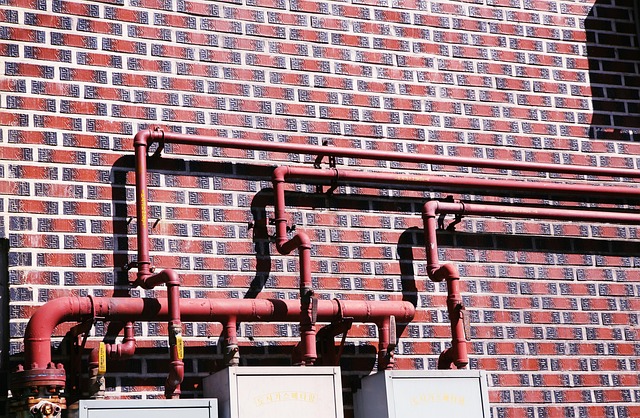
Mechanical Properties of 3-Inch Black Iron Pipes
A typical 3‑inch black iron pipe has a wall thickness around 0.216 inches (Schedule 40) with tensile strength near 60,000 psi. Its hardness ensures durability but also increases resistance during threading or tightening operations. The external black oxide coating prevents corrosion yet slightly reduces surface friction, which affects wrench bite. Threaded ends may also introduce minor dimensional variations that require adjustable jaws to maintain consistent contact pressure.
Torque and Grip Requirements for Large-Diameter Pipes
Torque requirements rise sharply with diameter. A 3‑inch joint may need over 400 ft‑lb of torque to seal properly without leakage. Achieving this safely depends on handle length and operator leverage—longer handles multiply applied force but increase the risk of over-torquing. Excessive torque can deform threads or crack fittings, particularly if lubrication is inconsistent or misapplied during assembly.
Common Challenges Encountered During Installation and Maintenance
Installers often face alignment issues when connecting multiple heavy sections of pipe. Slippage due to oil residue or worn wrench teeth can cause injury or damage threads. In confined spaces, achieving proper leverage without striking nearby surfaces becomes difficult. Regular inspection of jaws and threads before use helps prevent these failures.
Evaluating Pipe Wrench Types Suitable for 3-Inch Black Iron Pipes
Different wrench types serve distinct purposes when dealing with large-diameter pipes. Straight wrenches dominate open environments; offset versions handle awkward angles; chain or strap designs protect delicate coatings from scratches.
Straight Pipe Wrenches for Heavy-Duty Applications
Straight pipe wrenches remain the standard for tightening large fittings in accessible areas. Their parallel jaws distribute pressure evenly along the pipe circumference, minimizing localized deformation. Ductile iron bodies provide maximum strength under torsion loads, whereas aluminum versions cut weight by up to 40% without major loss in capacity—ideal for overhead work or extended use. For a 3‑inch black iron pipe, a handle length between 24 and 36 inches offers adequate leverage while maintaining control.
Offset Pipe Wrenches in Confined Workspaces
Offset pipe wrenches are designed with angled jaws that allow engagement where straight models cannot fit—such as near walls or behind boilers. This geometry shifts the operator’s line of force away from obstructions while preserving torque efficiency through mechanical advantage. However, applying high force at an angle requires careful stabilization; users often brace elbows or use support stands to avoid slippage during heavy rotation.
Chain and Strap Wrenches for Non-Marring Applications
Chain wrenches wrap around the pipe using linked steel segments that lock into place under tension, providing uniform grip even on irregular surfaces. Strap wrenches substitute metal links with reinforced fabric or rubber straps to prevent marring on coated pipes—a common issue with black iron’s protective finish. To prevent slippage under load, chains must be kept clean and lubricated lightly at pivot points after each use.
Key Design Features That Influence Precision and Control
Precision in large-pipe handling depends on how well a wrench transmits operator input into controlled rotational force without damaging the surface or threads.
Jaw Design and Tooth Geometry
Tooth pitch determines how deeply each tooth engages the metal surface; deeper pitches offer stronger bite but risk scoring softer coatings. For oily or dirty conditions common in industrial sites, self-cleaning tooth profiles shed debris automatically as pressure increases, maintaining consistent grip throughout rotation. Adjustable jaws compensate for diameter variations across fittings while keeping alignment parallel to avoid uneven wear.
Handle Length, Material, and Ergonomics
Longer handles increase torque output exponentially but can fatigue operators quickly if poorly balanced. Steel handles deliver unmatched rigidity; aluminum provides easier handling during repetitive tasks without major compromise on strength. Modern ergonomic grips reduce strain by distributing load across palms instead of concentrating it near knuckles—a small detail that makes long maintenance shifts more manageable.
Selecting the Right Size Wrench for a 3-Inch Black Iron Pipe
Choosing an appropriate wrench size involves more than matching nominal diameter—it requires considering torque range, accessibility, and adjustment capability across similar pipe sizes used on-site.
Determining the Correct Jaw Capacity Range
Wrench capacity ratings indicate maximum outside diameter rather than nominal size; thus a 24‑inch wrench typically accommodates up to about 3 inches OD comfortably. For tougher joints or corroded fittings requiring higher torque, stepping up to a 36‑inch model gives added leverage margin without overstressing components.
Matching Wrench Specifications to Application Demands
Each manufacturer defines recommended torque limits based on material composition and jaw design tolerance. Comparing these figures against job-specific load conditions prevents premature wear or thread failure during tightening cycles. Adjustable mechanisms should be checked periodically for calibration drift—especially in professional-grade tools exposed to frequent high-load usage.
Assessing Compatibility with Other Tools Such as Vises or Supports During Assembly Work
When assembling long pipe runs, vises or stands often share load-bearing duties with wrenches to stabilize alignment before final tightening. Ensuring compatibility between jaw curvature and support surfaces avoids point loading that could dent thin-wall sections near couplings.
Maintenance Practices to Ensure Long-Term Accuracy and Performance
Even premium-grade wrenches degrade if neglected after repeated exposure to moisture or grit from construction environments.
Inspection and Cleaning Procedures After Use
After each session, debris trapped between teeth should be brushed out using wire tools to preserve biting edges for future operations. Lubrication at pivot pins reduces friction wear on moving parts while preventing rust buildup along threaded adjusters that control jaw spacing accuracy.
Storage, Calibration, and Replacement Guidelines
Wrenches stored in dry cabinets maintain corrosion resistance longer than those left exposed on damp floors or tool benches. Professional users often follow annual recalibration routines verified by mechanical testing equipment to confirm jaw closure precision within manufacturer tolerances. Replacement becomes necessary once visible cracks appear near hinge areas or when teeth lose defined profile depth beyond acceptable limits.
FAQ
Q1: What size wrench works best for a 3‑inch black iron pipe?
A: A heavy-duty straight wrench between 24 and 36 inches provides sufficient leverage while maintaining stability during tightening.
Q2: Can aluminum-body wrenches handle large pipes effectively?
A: Yes, modern aluminum alloys offer high tensile strength with reduced weight—suitable for overhead installations where fatigue is a concern.
Q3: How often should professional-grade wrenches be recalibrated?
A: Annual recalibration is recommended under regular industrial use to verify alignment accuracy and jaw closure consistency.
Q4: Why choose strap wrenches over toothed ones on coated pipes?
A: Strap models prevent scratching protective finishes such as black oxide coatings common on black iron pipes while still delivering firm grip through friction tension.
Q5: What are signs that a pipe wrench needs replacement?
A: Rounded teeth edges, loose hinge movement, visible cracks near pivot joints, or slipping under normal torque indicate it’s time for replacement before safety risks increase.


