
Screws and Bolts Which Fastener Should You Choose for Stronger Joints?
How Are Screws and Bolts Actually Different?
When you compare screws and bolts, the name may look like a small point, but it can affect strength, fitting time, checking work, and later repair cost. If you buy hardware for machinery, frames, racking, gates, furniture, solar brackets, or general fabrication, look at the joint first, not only the catalog picture. You can also browse related products in the Bolts & Fasteners section when you need to match sizes, materials, and finishes.
A Bolt Is Built for Clamped Assemblies
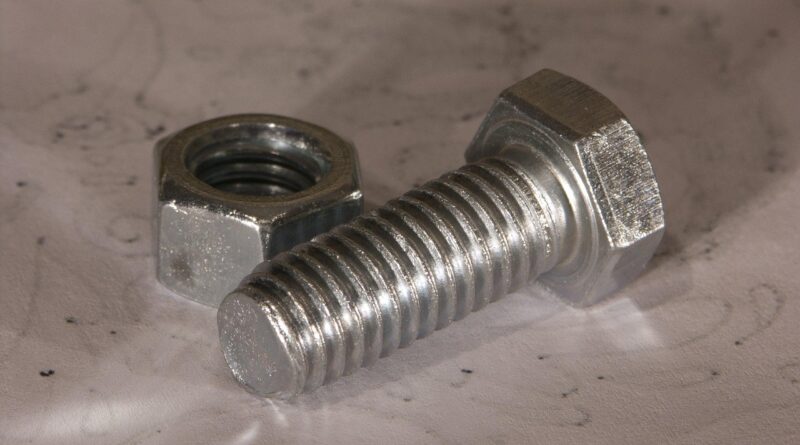
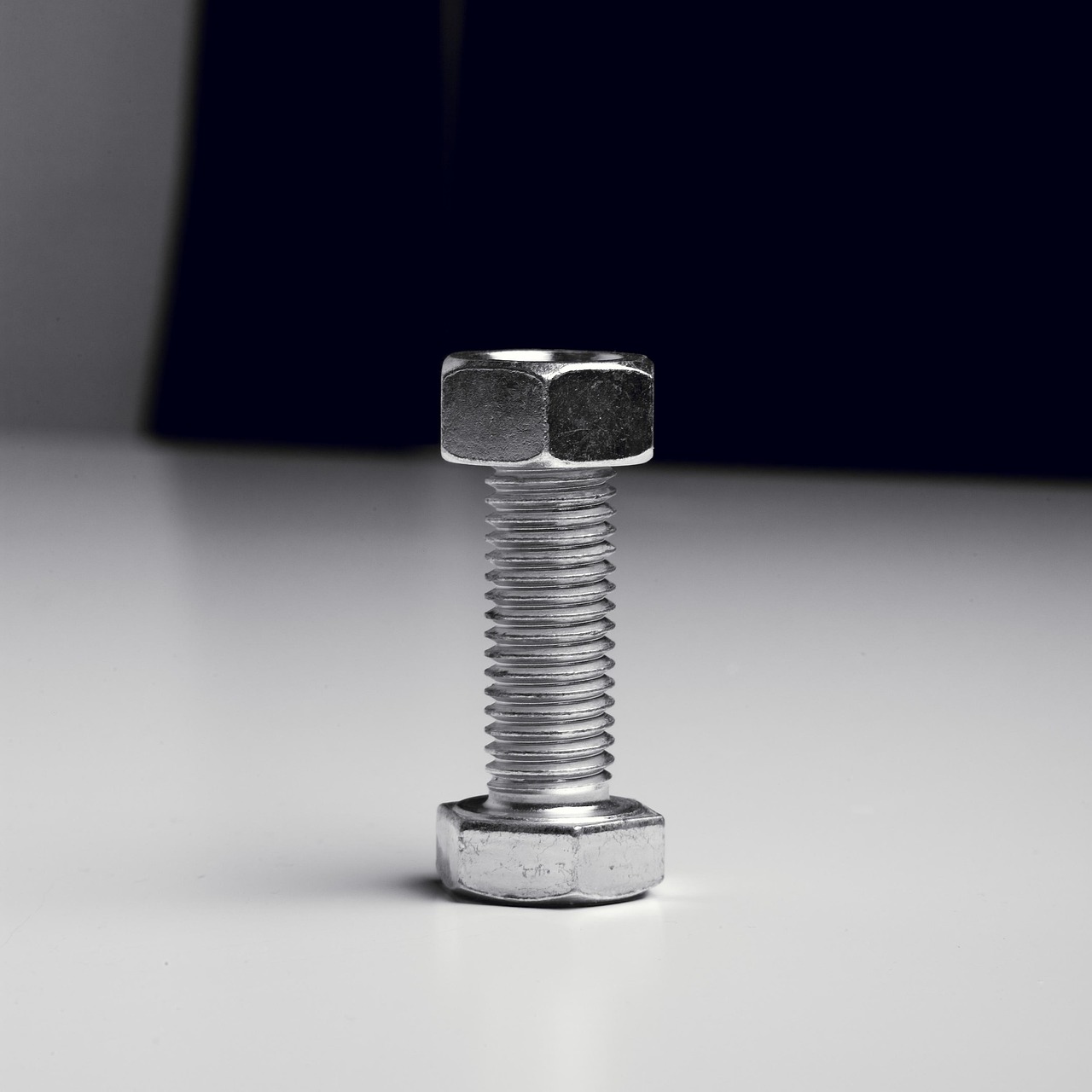
A bolt usually goes through a clearance hole and tightens with a nut or a tapped part. Its main job is clamping, so the bolt stretches a little during tightening and that stretch gives preload. In heavier joints, this clamp force helps stop plates, brackets, beams, or machine parts from moving. A hex bolt holding two steel plates is a normal example, and it can be removed, checked, and fitted again without damaging the base material.
A Screw Usually Forms or Engages Threads Directly
A screw is often driven into wood, sheet metal, plastic, or a tapped hole, where the threads do more of the holding. Self-tapping screws cut or form their own mating thread, while wood screws grip the fibers in the material. Machine screws sit in the middle because they can work with nuts or tapped holes. This is why one buyer may hear “machine screw” in electronics and “bolt” in a workshop for a part that looks almost the same.
The Name Can Change by Industry
Do not buy only by the name printed on the quotation. Check the head style, thread length, point type, grade, diameter, pitch, and mating part before you confirm the order. In construction, a headed threaded fastener used with a nut is usually called a bolt. In appliance assembly, a smaller threaded fastener may still be called a screw even when it goes into a threaded insert, so export orders need written specifications more than local naming habits.
What Do Trusted Standards Say About Strength?
Fastener strength should not be guessed when the part carries load. Public standards do not make every product exactly the same, but they give buyers and suppliers the same words for property class, test method, marking, and acceptance. That matters when parts are shipped across borders or supplied from different production batches.
ISO Property Classes Give Metric Strength Clues
ISO 898-1:2013, according to the official ISO abstract, covers mechanical and physical properties for carbon steel and alloy steel bolts, screws, and studs with specified property classes, tested at 10°C to 35°C. For a metric buyer, markings like 8.8, 10.9, and 12.9 are not just stamped numbers. They refer to defined strength classes. If your drawing asks for 8.8 and a supplier offers an unmarked “same size” part, treat it as a different item.
ASTM Grades Help Inch Buyers Compare Options
ASTM listings give clear examples for inch fasteners. ASTM A307 covers carbon steel bolts and studs with 60,000 psi tensile strength. ASTM F3125/F3125M-22 covers high-strength structural bolting assemblies, including inch dimensions with 120 ksi and 150 ksi minimum tensile strength and metric dimensions with 830 MPa and 1040 MPa minimum tensile strength. The main point is simple: size alone does not tell you the full strength level.
Head Marks and Documents Protect Your Order
The U.S. National Institute of Standards and Technology Fastener Quality Act FAQ notes that testing may verify grade identification marking against the consensus standard, and that manufacturers or importers must make conformance record information available to certain purchasers upon request. In day-to-day purchasing, this means asking for markings, mill test reports, certificates of conformity, and lot traceability when the joint has real risk. For a garden shed, that may be more than you need. For steel equipment, it is part of normal buying control.
Which Materials Work Best for Screws and Bolts?
Material choice should follow the load, the working environment, and the mating material. A shiny screw can still be the wrong screw. A very hard bolt can also cause trouble if the joint needs ductility, corrosion resistance, or safe installation in thin plate. Most of the time, the right choice is the plain one that meets the job without extra risk.
Steel Handles General Strength Work
Carbon steel and alloy steel are widely used because they give good strength, are easy to source, and keep cost under control. For indoor machinery, general brackets, pallets, racking, and many fabrication jobs, zinc-plated or black-finished steel fasteners are often enough. The grade still matters, though. A low-strength bolt in a lifting fixture is not a safe saving, even if the diameter looks large.
Stainless Steel Fits Corrosive and Clean Settings
Stainless steel screws and bolts suit outdoor fixtures, food equipment, marine-adjacent jobs, medical carts, and clean rooms where rust marks are not acceptable. ASTM F593 is a common specification for stainless steel bolts, hex cap screws, and studs, based on the ASTM public listing. Stainless is not automatically stronger than alloy steel. Many buyers choose it for corrosion behavior, appearance, or hygiene, not for the highest tensile strength.
Coatings Match the Environment, Not the Catalog Photo
ISO 4042:2022 covers electroplated coating systems for fasteners and includes recommendations tied to hydrogen embrittlement risk. ASTM F1941/F1941M covers electrodeposited coatings for mechanical fasteners with inch and metric threads. These standards lead to a working rule: choose the coating by exposure. Indoor dry use, damp warehouse use, coastal air, treated lumber, and chemical washdown need different finishes, so a bright zinc screw that looks fine in a sample bag may fail early outdoors.
When Should You Choose Bolts Instead of Screws?
Bolts are often the better choice when you need controlled clamping, easy service, and higher load capacity. Screws are often better when fitting speed, access, and direct fastening into a material are more important. Many real assemblies use both, and that is normal in fabrication and equipment work.
Bolts Win Heavy Clamp Loads
Choose bolts for steel-to-steel frames, base plates, machinery feet, pipe supports, conveyor structures, agricultural equipment, and parts that may need service later. A bolt with a washer and nut spreads load better than a small screw head in many sheet or plate joints. If there is vibration, use the right locking method, such as prevailing torque nuts, thread adhesive, serrated flange parts, or a designed preload plan. Do not leave that decision until the assembly line has already found loose parts.
Screws Save Time in Sheet, Wood, and Light Assemblies
Screws work well in sheet metal covers, electrical boxes, HVAC panels, timber frames, plastic housings, and furniture hardware. A self-drilling screw can reduce fitting time because it drills and fastens in one step. A wood screw can grip without a nut on the back side. On a production line, saving ten seconds per fastener matters when one product has thirty or forty fasteners.
Mixed Fastening Can Solve Awkward Jobs
Some assemblies need bolts for the main load path and screws for guards, covers, or alignment pieces. For example, a pump skid may use anchor bolts at the base, hex bolts on the frame, and small machine screws on electrical covers. That combination is not poor design. It only shows that different parts of the same product have different loads and service needs. See also: Fittings & Valves.
How Do Thread, Length, and Torque Affect the Joint?
A fastener order can still go wrong even when the material and grade are correct. Thread system, grip length, and torque all affect how the joint behaves. NASA Reference Publication 1228, the Fastener Design Manual, treats torque formulas, fastener group loads, grip length, pullout load, and fastener strength as connected design topics. That is a useful point for everyday industrial buying, not only for engineers.
Match Thread System Before You Ask for Price
Metric and inch threads do not mix safely. M8 x 1.25 and 5/16-18 can look close to someone tired at a bench, but they are not substitutes. Pitch matters as well. Coarse threads fit faster and deal better with dirt or coating buildup, while fine threads give more adjustment and can suit thin-wall parts. Before you compare quotes, list diameter, pitch, thread direction, and tolerance class if the drawing requires it.
Check Length by Grip, Not Just Overall Size
Length should match the stack of material being clamped. If it is too short, thread engagement is weak. If it is too long, threads may bottom out or hit nearby parts. For bolts with nuts, many shops like to see a small amount of thread past the nut after tightening, but too much extra length wastes money and can catch hands, wires, or packaging. It looks like a small detail until someone has to assemble 5,000 pieces.
Control Torque with Real Surface Conditions
Torque is only an indirect way to create preload. Surface finish, plating, lubrication, washer hardness, thread damage, and paint under the head can all change the clamp force. A dry zinc-plated bolt and an oiled black oxide bolt may not give the same result at the same torque value. When the joint is important, use the torque value from the equipment maker, engineering drawing, or tested procedure instead of a random online chart.
How Should Industrial Buyers Source Screws and Bolts?
Buying fasteners sounds simple until a shipment arrives with mixed markings, the wrong coating, soft material, or a thread pitch nobody ordered. The global market is large and busy. Fortune Business Insights, in a July 2026 public market report, estimated the global industrial fasteners market at USD 93.12 billion in 2025 and projected USD 136.95 billion by 2034. That scale helps supply, but it also makes clear specifications more important.
Ask for Standards Before Unit Price
Start every inquiry with the standard, grade or property class, material, finish, size, thread, length, head style, drive type, quantity, packaging, and certificate needs. Unit price does not mean much without those details. A cheaper screw may have a thinner coating. A cheaper bolt may have no traceability. For export buyers, the purchase order should repeat the drawing notes, not just say “same as sample.”
Keep Sizes Common Unless the Joint Demands More
Standard sizes reduce lead time and make inventory easier to manage. If M10 x 30 works, there is usually no reason to create M10 x 33 unless the design really needs it. Common lengths also make field replacement easier. Maintenance teams prefer normal sizes because they can keep bins stocked and avoid urgent air freight for a low-cost part.
Inspect Samples Before Large Shipment
For the first order, check samples for thread fit, head dimensions, coating appearance, magnet response when relevant, certificate details, packaging labels, and carton strength. For repeat orders, keep one approved sample and compare new batches against it. No reliable public source gives one universal failure percentage for using the wrong screw instead of the right bolt because industries record failures in different ways. Even so, the cost pattern is clear: one small fastener mistake can stop a large assembly.
FAQ
Q1: Are Screws and Bolts Interchangeable? A: Sometimes, but not as a default choice. If the joint needs a nut, controlled clamp load, or service removal, a bolt is usually safer. If the fastener has to bite directly into wood, sheet metal, or plastic, a screw may be the better fit.
Q2: Which Is Stronger, a Screw or a Bolt? A: Strength depends on grade, diameter, material, thread, and joint design. A small alloy screw can be stronger than a soft low-grade bolt, while a high-strength structural bolt can carry much more than a light self-tapping screw.
Q3: What Does 8.8 Mean on a Metric Bolt? A: It is a metric property class tied to defined mechanical requirements under ISO fastener standards. It is not a brand name. Always match the class shown on the drawing or purchase order.
Q4: Should You Choose Stainless Steel for Outdoor Fasteners? A: Stainless steel is often a good outdoor choice, especially where rust staining matters. In some structural or high-load jobs, coated alloy steel may be better. Match the material to load, corrosion exposure, and the mating material.
Q5: What Information Should a Fastener RFQ Include? A: Include item name, standard, grade or property class, material, coating, diameter, pitch, length, head style, drive type, quantity, certificate need, packaging, and destination. Clear details help suppliers quote correctly and reduce shipment problems.


