
Hand tools guide for selection, safety and maintenance
What makes a hand tool worth buying?
A good hand tool is not automatically the most expensive, the heaviest or the best-known option. The right choice is the tool that matches the task, fits the user’s hand, works safely in the surrounding environment and can be inspected, cleaned and replaced before it becomes a hazard. For workshops, maintenance teams and jobsite buyers, that means looking at force, access, grip, material, wear points and storage before comparing brand names. OSHA’s construction rules require hand and power tools to be maintained in safe condition, and related provisions do not allow employers to issue or permit unsafe hand tools. (osha.gov)
This guide uses a practical sequence: define the work first, then choose the tool geometry, quality level and maintenance routine that support that work. For more hardware and equipment topics, visit our Tools & Power section.
Match hand tools to the job before comparing brands
The term hand tools covers everything from screwdrivers and pliers to hammers, chisels, wrenches, knives, files, clamps and measuring tools. A useful selection process starts by grouping the work, not by grouping the catalog.
Fastening and torque work
For bolts, nuts and screws, size is only part of the decision. Buyers also need to consider access angle, required torque, the risk of rounding fasteners and whether repeated work justifies a ratcheting, T-handle or torque-controlled option. A loose adjustable wrench may be acceptable for occasional light work, but a properly sized box wrench or socket usually gives better contact and a lower slip risk on regular maintenance tasks.
Cutting and shaping work
Cutters, knives, snips, saws and files should be selected by material, thickness and cut direction. A tool designed for soft copper wire should not be treated as a general steel cutter. A knife used for packaging needs different blade exposure and handle control than a knife used for trimming sheet material. This is where low-cost tools can become expensive: poor edge retention increases force, and added force increases the chance of a slip.
Holding, gripping and positioning work
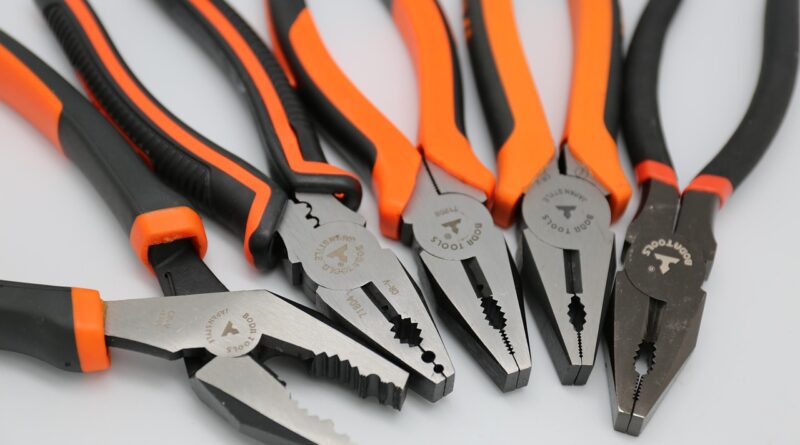
Pliers, clamps, locking tools and vises should be judged by jaw alignment, handle span, grip surface and how securely they hold the work without crushing it. For delicate hardware, smoother jaws or protective faces may be more valuable than maximum clamping force. For repetitive assembly, a spring return or lower opening force can reduce hand fatigue.
Striking and struck work
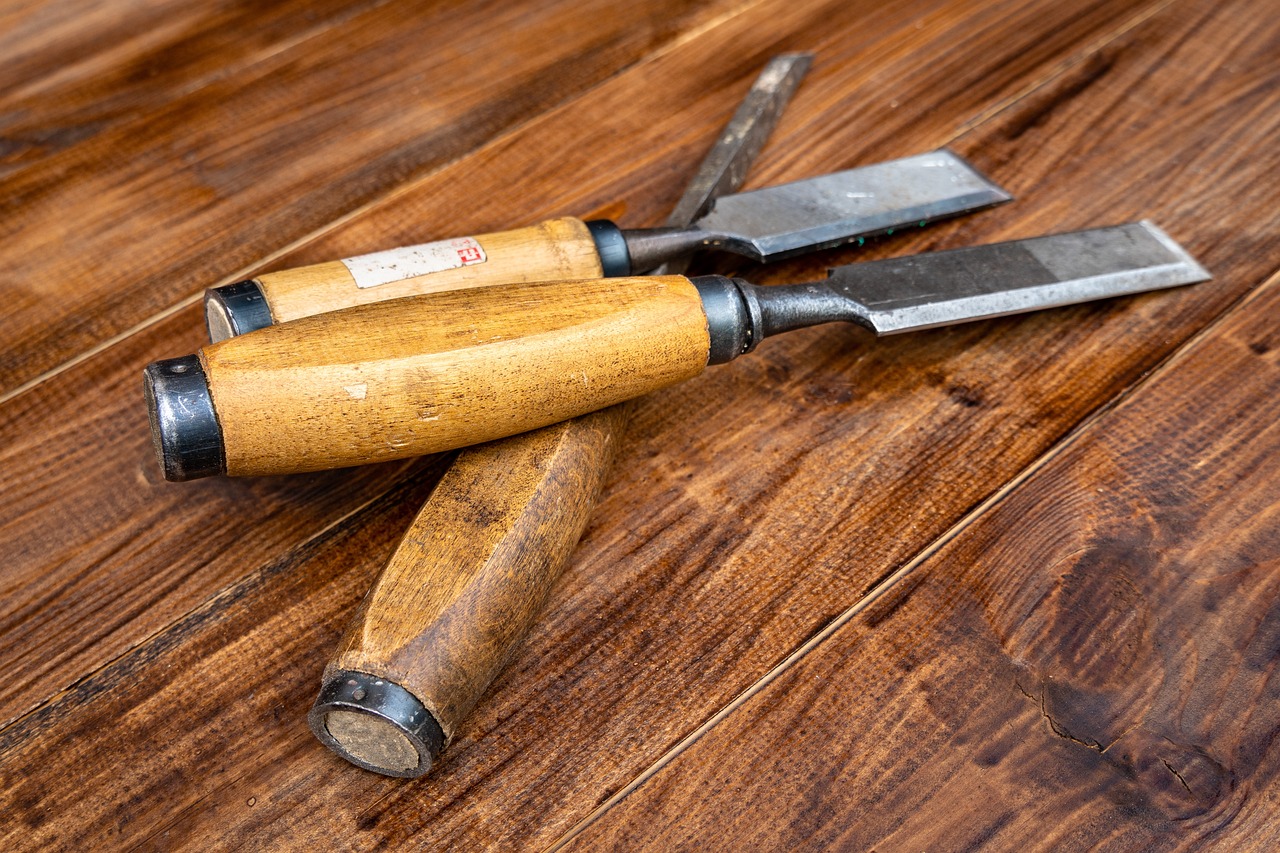
Hammers, punches, chisels, drift pins, wedges and pry bars need careful inspection because impact loading can turn small defects into flying fragments or loose heads. ASME’s B107 hand tools and accessories standards cover performance and safety requirements for categories such as wrenches, pliers, screwdrivers, striking tools, struck tools and torque instruments, making them a useful reference when procurement requires a recognized standard. (asme.org)
Assess build quality with practical inspection points
Quality is not a single feature. It is the combination of material, heat treatment, geometry, finishing and production consistency. A polished tool can still be poorly made, while a plain industrial tool can perform well if the working surfaces are accurate and durable.
| Tool feature | What to check | Why it matters |
|---|---|---|
| Working faces | Look for clean machining, even contact and no burrs on jaws, tips or edges. | Poor contact can damage fasteners, increase force and cause slipping. |
| Handle attachment | Check that hammer, file and chisel handles are tight, aligned and free of cracks. | Loose or cracked handles can fail during use. |
| Joint movement | Open and close pliers, cutters and adjustable tools through their full travel. | Stiff or loose joints reduce control and accuracy. |
| Edge condition | Inspect knives, snips, saw teeth, chisels and cutters for sharpness and damage. | Dull edges often require more force and increase slip risk. |
| Marking and traceability | Confirm size markings, rating marks or standard references where relevant. | Clear identification supports correct use and replacement decisions. |
Buyers should treat broad claims such as professional grade or heavy duty carefully unless the supplier explains what those claims mean. Better signals include documented material specifications, replacement part availability, dimensional consistency, published standards compliance and a warranty that matches the expected use.
Use ergonomics as a measurable specification
Ergonomics is not a luxury feature for people who use hand tools all day. It affects grip strength, control, fatigue and the amount of force needed to complete a task. CPWR guidance archived by CDC/NIOSH notes that tools that do not fit the hand, require forceful gripping, place the wrist awkwardly or create excessive vibration can contribute to work-related musculoskeletal disorders over time; the same source reports that one study found a 27% grip-strength reduction when the wrist was bent. (stacks.cdc.gov)
The simplest rule is to keep the wrist as neutral as possible. If the task force is in line with the forearm, a bent handle may help. If the force is vertical, a straight handle may be better. The tool should adapt to the work position rather than forcing the user to twist the wrist on every repetition.
Published ergonomic guidance from CCOHS gives practical sizing ranges: for power grips, cylindrical or oval handles around 30 to 50 mm are generally recommended; for precision grips, the range is about 8 to 16 mm. For double-handle tools such as pliers, CCOHS lists a recommended handle separation of 65 to 90 mm, while tool handles should generally be at least 100 mm long to reduce palm compression. (ccohs.ca)
Those numbers are guidelines, not a substitute for trial use. Gloves, hand size, working height and posture all change the feel of a tool. A practical purchasing test is to ask users to simulate the actual task for several minutes, rather than simply pick up the tool at a counter. The best hand tool for a maintenance bench may be different from the best tool for overhead work, ladder work or confined access.
Use safety standards, injury data and jobsite controls as guardrails
Safety decisions should not rely on habit alone. OSHA lists specific hand-tool problems that should be controlled: sprung wrench jaws that slip, mushroomed heads on impact tools, and wooden handles with splinters, cracks or loose heads are all addressed in its construction hand-tool rule. (osha.gov)
Consumer injury data also shows why ordinary tools deserve attention. In CPSC’s NEISS Data Highlights for calendar year 2024, workshop manual tools were associated with an estimated 140,611 U.S. emergency-department-treated injuries, compared with 84,030 for power home workshop saws and 30,971 for power home tools excluding saws. NEISS is a consumer product surveillance system and does not prove workplace causation, but the comparison is a useful reminder that manual tools are not automatically low-risk. (cpsc.gov)
In jobsite or plant use, a hand-tool program should answer five basic questions: See also: Bolts & Fasteners.
- Who inspects tools before use and at scheduled intervals?
- What defects require immediate removal from service?
- Where are damaged tools tagged or quarantined?
- Which tasks require eye protection, gloves, hearing protection or other PPE?
- Which environments require special tools, such as insulated or spark-resistant options?
OSHA’s hand and power tools publication explains that iron or steel hand tools may create sparks near flammable substances and that spark-resistant tools made of non-ferrous materials should be used where flammable gases, highly volatile liquids or explosive substances are present. That does not mean a non-sparking tool is automatically safe for electrical work; electrical tasks require tools and procedures rated for that hazard. (osha.gov)
Plan maintenance, storage and replacement before the first use
A hand tool often begins to fail long before it breaks. Edges dull, jaws spread, handles loosen, pivot joints collect grit and corrosion changes the fit of moving parts. Maintenance should be part of the buying decision because a tool that cannot be sharpened, cleaned or inspected easily may not be economical over time.
For cutting tools, sharpening should preserve the intended edge angle. For wrenches and sockets, cleaning helps reveal cracks, distortion and wear. For wooden handles, dryness, splitting and looseness should be treated seriously. OSHA guidance describes hazards such as loose wooden handles allowing heads to fly off, sprung wrench jaws slipping and mushroomed struck-tool heads sending fragments toward users. (osha.gov)
Storage also affects tool life. A drawer full of mixed tools may be convenient, but it lets cutting edges strike hardened steel, hides defects and slows inspection. Better storage separates edged tools, supports measuring tools, keeps moisture away from steel and gives each frequently used item a visible location. Shadow boards, labeled drawers and portable kits are not only housekeeping measures; they make missing or damaged tools easier to identify.
Replacement rules should be written in plain language. Replace a wrench when jaw wear allows slippage. Replace or professionally redress an impact tool with a mushroomed head. Replace cracked handles rather than covering them with tape. Remove cracked saw blades from service. For low-cost tools, replacement is often safer and cheaper than improvised repair.
A practical buying checklist for hand tools
Use this checklist before placing an order or standardizing a workshop kit:
- Define the task. Record the material, fastener type, access space, force level and frequency of use.
- Choose the correct tool type. Do not use a screwdriver as a pry bar, a chisel as a screwdriver or pliers as a universal wrench.
- Check the fit. Confirm size, jaw contact, tip engagement and whether the tool damages the workpiece.
- Evaluate the grip. Test handle diameter, length, texture and balance with the gloves normally worn.
- Review the environment. Identify electrical, flammable, wet, corrosive, high-temperature or confined-space conditions.
- Look for relevant standards. Where performance or safety claims matter, ask which ASME, ANSI, ASTM, IEC or other standard applies to that exact tool category.
- Plan inspection and storage. Decide how the tool will be cleaned, stored, tagged and removed from service.
- Compare life-cycle value. Consider replacement parts, edge retention, calibration needs and downtime, not only purchase price.
The takeaway is straightforward: a smaller set of well-chosen hand tools usually beats a large mixed set with unclear ratings, uncomfortable grips and no inspection routine. Selection should be based on use cases, not display quantity.
Frequently asked questions
What are the most useful hand tools to start with?
For a general repair or maintenance kit, start with screwdrivers, pliers, adjustable and fixed-size wrenches, a socket set, a utility knife, a hammer, hex keys, measuring tape and basic marking tools. The exact list should follow the work: electrical maintenance, carpentry, metalwork, plumbing and machinery repair all require different priorities.
Are expensive hand tools always better?
No. A higher price can reflect better materials, tighter tolerances, stronger warranty support or domestic manufacturing, but it can also reflect packaging or brand position. Judge the tool by task fit, ergonomics, standard references, replaceability and observed durability.
How often should hand tools be inspected?
Frequently used tools should be checked before use and inspected more formally on a scheduled basis. Impact tools, cutting tools, lifting-related accessories and tools used in hazardous areas deserve closer attention because failure can have immediate consequences.
When should a hand tool be replaced instead of repaired?
Replace the tool when repair would hide damage, change the intended geometry or leave uncertainty about strength. Cracked handles, sprung wrench jaws, chipped striking faces, cracked blades and damaged insulated tools should not be kept in service through improvised fixes.
What is the difference between insulated and spark-resistant tools?
Insulated tools are intended for electrical shock protection only when properly rated and used within their limits. Spark-resistant tools are made to reduce ignition risk in certain flammable or explosive atmospheres. They address different hazards, so one should not be substituted for the other.


