
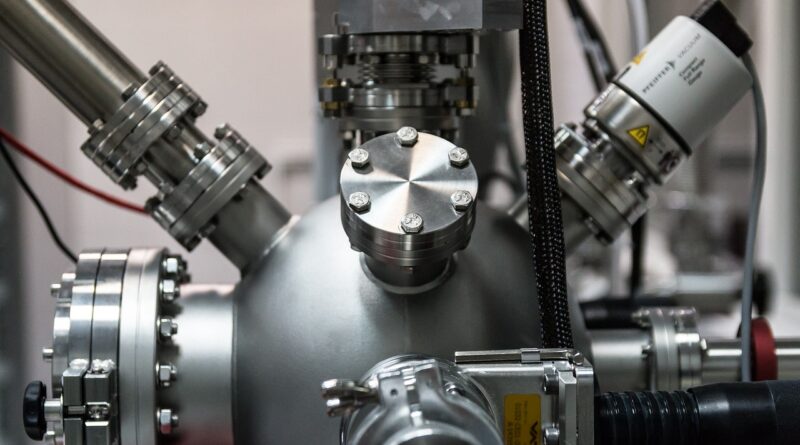
Pipes and fittings selection guide for materials, standards, and connections
What buyers need to know before specifying pipes and fittings
Pipes and fittings are not simple interchangeable hardware items. They form a pressure boundary, carry fluid or gas, and must match the actual service conditions of the system. A reliable specification starts with the medium, pressure, temperature, pipe size, connection method, code basis, and inspection requirements. For industrial and building projects, the lower-risk approach is to select pipes, fittings, valves, gaskets, and joining materials as one system rather than as separate catalog lines. This becomes especially important when pressure, corrosion, drinking water contact, vibration, or future maintenance access can affect performance.
For readers comparing fittings, valves, and related components, the Fittings & Valves section provides useful category context. This article focuses on practical selection rather than product promotion, using recognized standards such as ASME, ASTM, MSS, NSF, EPA guidance, and plumbing code references as factual anchors.

Start with the application, not the fitting shape
The first decision is not whether the job needs an elbow, tee, reducer, coupling, flange, or union. The first decision is what the piping system must safely do. A 90-degree elbow in a low-pressure cold-water line has a very different duty from a stainless butt-weld elbow in chemical process piping. The shape may look familiar, but the required material, wall thickness, end connection, rating, and inspection evidence can be completely different.
Process and industrial piping
Process piping normally requires a documented design basis. ASME B31.3-2024 is widely used for piping in petroleum refineries, chemical plants, pharmaceutical plants, hydrogen facilities, semiconductor plants, cryogenic service, power generation, and related processing plants and terminals. In this setting, pipes and fittings are treated as pressure-containing components. The designer normally checks fluid service, design pressure, design temperature, corrosion allowance, weld requirements, examination class, and whether the component standard is accepted by the governing code.
Potable water and building plumbing
Drinking water systems add health-related requirements. EPA guidance last updated on January 6, 2026 explains that the Safe Drinking Water Act defines lead-free for pipes, pipe fittings, plumbing fittings, and fixtures as a weighted average of not more than 0.25 percent lead across wetted surfaces, with 0.2 percent for solder and flux. NSF/ANSI/CAN 61 is also a key health-effects standard for drinking water system components, covering products such as pipes, hoses, fittings, gaskets, coatings, valves, and other materials that contact drinking water. These requirements are separate from pressure performance, so a fitting can be mechanically suitable but still unacceptable for potable water if the health or certification requirement is missing.
Drainage, vent, irrigation, and utility services
Gravity drainage, vent lines, irrigation, compressed air, fire protection, and utility water each have different risk profiles. Some applications need chemical resistance more than pressure strength. Others require impact resistance, burial suitability, flame or smoke compliance, or compatibility with disinfectants and cleaning chemicals. Local codes, owner standards, and authority having jurisdiction requirements can override a generic catalog recommendation.
Material selection should match the fluid and environment
Material choice is where many premature failures begin. A material that performs well in one environment can pit, crack, soften, dezincify, scale, or become brittle in another. Selection should account for both internal exposure from the conveyed medium and external exposure from soil, insulation, atmosphere, washdown chemicals, or galvanic contact with other metals.
| Material group | Common use cases | Important checks |
|---|---|---|
| Carbon steel | Process utilities, steam, compressed air, oil, gas, and structural industrial piping | Wall thickness, corrosion allowance, coating or lining, weld procedure, temperature limits |
| Stainless steel | Corrosive service, hygienic systems, food and beverage, pharmaceutical, chemical, and marine-adjacent environments | Grade selection, chloride exposure, weld cleaning, ASTM or ASME fitting specification, surface finish where required |
| Copper and copper alloy | Water distribution, HVAC, refrigeration, and some gas or medical systems where permitted | Water chemistry, solder or brazing compatibility, lead-free requirements, tube type and fitting standard |
| PVC, CPVC, PP, and PE | Cold water, chemical handling, drainage, irrigation, underground utilities, and certain industrial services | Temperature derating, chemical compatibility, UV exposure, joining method, code acceptance |
| Ductile iron | Water mains, wastewater, fire protection, and buried infrastructure | Lining, exterior protection, thrust restraint, gasket material, soil conditions |
For stainless steel fittings, ASTM A403/A403M-22 covers wrought austenitic stainless steel piping fittings and includes chemical and product analysis requirements. For steel products more broadly, ASTM standards are often used to define material, chemical, mechanical, and metallurgical properties. The practical point is straightforward: do not specify material by trade name alone when code compliance or traceability matters. Use a recognized material specification, grade, class, and connection standard.
Connection method affects strength, maintenance, and risk
Connection type can matter as much as pipe material. It determines how loads transfer through the joint, how the system is inspected, how easily it can be maintained, and where leakage risk is concentrated. It also affects installation skill requirements and downtime during repair.
| Connection method | Typical strengths | Selection cautions |
|---|---|---|
| Butt weld | Strong continuous joint, common in process piping and high-integrity metallic systems | Requires qualified welding, fit-up control, examination, and weld documentation where applicable |
| Socket weld | Compact and strong for smaller metallic piping | Crevice concerns in some services; not suitable for every corrosive or hygienic application |
| Threaded | Simple, removable, useful in smaller low-to-moderate pressure systems | Thread engagement, sealant compatibility, vibration, and wall thickness loss at threads must be considered |
| Flanged | Good for valves, equipment connections, inspection points, and maintenance access | Requires correct gasket, bolt material, tightening method, pressure class, and flange facing |
| Grooved or mechanical | Fast installation and useful for some fire protection, HVAC, and utility systems | Check pressure rating, gasket material, movement allowance, and listing requirements |
| Solvent cement, fusion, or press | Efficient for approved plastic or metal systems depending on technology | Requires exact material match, preparation procedure, curing or pressing control, and manufacturer limits |
ASME B16.9-2024 covers factory-made wrought buttwelding fittings from NPS 1/2 through NPS 48 and addresses dimensions, tolerances, ratings, testing, and markings. This type of standard helps buyers verify that a fitting is not only made from the right material but also dimensionally compatible with the pipe and welding practice.
Standards and markings are part of the specification
A pipe or fitting description should include more than diameter and shape. A complete specification often includes nominal pipe size, wall schedule or thickness, material grade, manufacturing standard, pressure class where applicable, end connection, coating or lining, certification requirement, and marking requirement. If the system includes valves, the valve end connection and pressure-temperature rating should be checked against the adjacent pipe and fittings rather than selected in isolation. See also: Bolts & Fasteners.
Several standards organizations appear repeatedly in piping specifications. ASME provides major piping and fitting standards such as B31.3 for process piping and B16.9 for factory-made wrought butt-welding fittings. ASTM provides material specifications for steel, stainless steel, copper alloys, plastics, and many other materials. MSS, the Manufacturers Standardization Society of the Valve and Fittings Industry, publishes standards for valves, fittings, flanges, pipe supports, hangers, and related components. NSF/ANSI/CAN 61 and EPA lead-free requirements are central when the system contacts drinking water. The 2024 International Plumbing Code also includes provisions for materials, joints, connections, and lead content in water supply piping.
These references are not substitutes for project engineering. They are selection tools. The responsible designer or authority having jurisdiction decides which codes apply, which edition is adopted, and whether additional owner requirements are stricter than the baseline standard.
Common specification mistakes to avoid
- Mixing pressure class and pipe schedule. Schedule describes wall thickness for a given nominal size, while pressure capability depends on material, temperature, design code, wall loss, joint efficiency, and other factors.
- Ignoring temperature derating. Plastic systems, elastomer gaskets, sealants, and even metallic pressure ratings can change with temperature. Catalog pressure ratings should be checked at the design temperature, not only at room temperature.
- Using potable-water fittings in non-potable service without checking chemicals. A drinking-water approval does not automatically mean chemical resistance in industrial fluids.
- Using industrial fittings in potable service without health certification. Mechanical strength does not prove compliance with NSF/ANSI/CAN 61 or lead-free requirements.
- Overlooking gasket and seal materials. Many leaks come from elastomer or sealant mismatch rather than from the pipe wall or metal fitting body.
- Changing fitting types during procurement. Substituting a threaded fitting for a welded fitting, or using a different branch connection, can change pressure integrity, maintenance access, and code acceptance.
- Failing to request traceability documents. Mill test reports, certificates of compliance, heat numbers, and markings may be required for regulated or audited projects.
A practical checklist for selecting pipes and fittings
- Define the service. Identify fluid, concentration, solids content, pressure, operating temperature, design temperature, flow velocity, cleaning chemicals, and upset conditions.
- Confirm the code basis. Determine whether the project is governed by a plumbing code, ASME piping code, fire protection standard, municipal utility standard, owner specification, or a combination.
- Select compatible materials. Check internal corrosion, external environment, galvanic contact, erosion, temperature limits, and hygienic or health requirements.
- Choose the connection method. Match joining technology to pressure, inspection needs, labor skill, maintenance plan, and downtime tolerance.
- Specify dimensions and rating. Include nominal size, wall schedule or thickness, pressure class, end type, fitting standard, and matching pipe standard.
- Check valves and accessories together. Ensure valves, strainers, expansion joints, flanges, gaskets, bolts, unions, and supports are compatible with the same service conditions.
- Require documentation. Ask for material certificates, compliance statements, certification marks, test records, and installation instructions where they are relevant to the project.
- Review substitutions carefully. Any change in material, standard, end connection, or manufacturer certification should be approved before installation.
Frequently asked questions
What is the difference between pipe fittings and plumbing fittings?
Pipe fittings is the broader term. It includes elbows, tees, reducers, couplings, unions, flanges, caps, branch fittings, and other components used in piping systems. Plumbing fittings usually refers to fittings used in building water supply, drainage, vent, or fixture connections. Some products overlap, but code, certification, and material requirements can differ by service.
Can the same fitting be used for water, gas, steam, and chemicals?
Not automatically. The fitting must be suitable for the specific medium, pressure, temperature, joining method, and code. Steam may require temperature-rated metallic components. Gas service may require approved materials and joining practices. Chemicals may require corrosion-resistant metals, lined components, or compatible plastics. Potable water may require health-effects certification and lead-free compliance.
Why do fittings sometimes cost more than similar-looking alternatives?
Cost differences often reflect material grade, wall thickness, manufacturing method, testing, dimensional tolerance, certification, traceability, coating, and pressure class. A fitting with a recognized standard, heat traceability, and documented compliance can carry more value than a visually similar part that lacks evidence for regulated service.
How should buyers compare pipes and fittings from different suppliers?
Compare the written specification first: material grade, standard, size, wall thickness or class, end connection, pressure-temperature rating, certification, marking, and documentation. Price comparisons are meaningful only after these requirements match. If any line item is unclear, ask for a data sheet or certificate before approving the purchase.
What is the safest way to handle product substitutions?
Treat substitutions as engineering changes. Confirm that the alternate item meets the same code basis, material specification, connection method, dimensions, rating, certification, and documentation requirements. For critical pressure, potable water, fire protection, or chemical service, approval should come before the item reaches the jobsite.


