
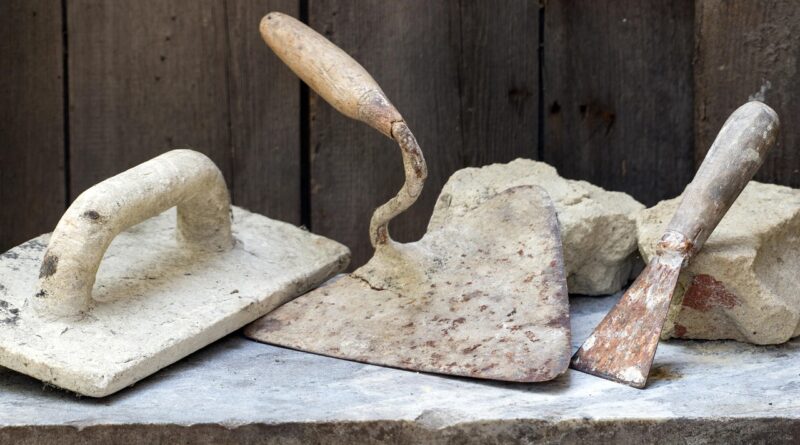
Masonry tools guide for brick, block and concrete work
What masonry tools do in a real workflow
Masonry tools are the hand and power tools used to measure, cut, set, align, finish and repair brick, block, stone and concrete. A useful kit is not just a collection of trowels, saws and drill bits. It should follow the work sequence: layout, mortar handling, unit placement, cutting or drilling, joint finishing, cleaning and safety controls. This guide explains how the main tool groups fit together so buyers, homeowners and jobsite teams can choose tools by task rather than by name alone. For related equipment coverage, see the Tools & Power section.
Masonry work rewards accuracy and punishes shortcuts. A wall that starts out of level usually stays out of level. Mortar that is too stiff, too wet or poorly tooled can affect appearance and durability. Cutting or grinding without dust control can also create serious exposure risks. Good tools do not replace workmanship, but they make consistent workmanship easier to achieve.
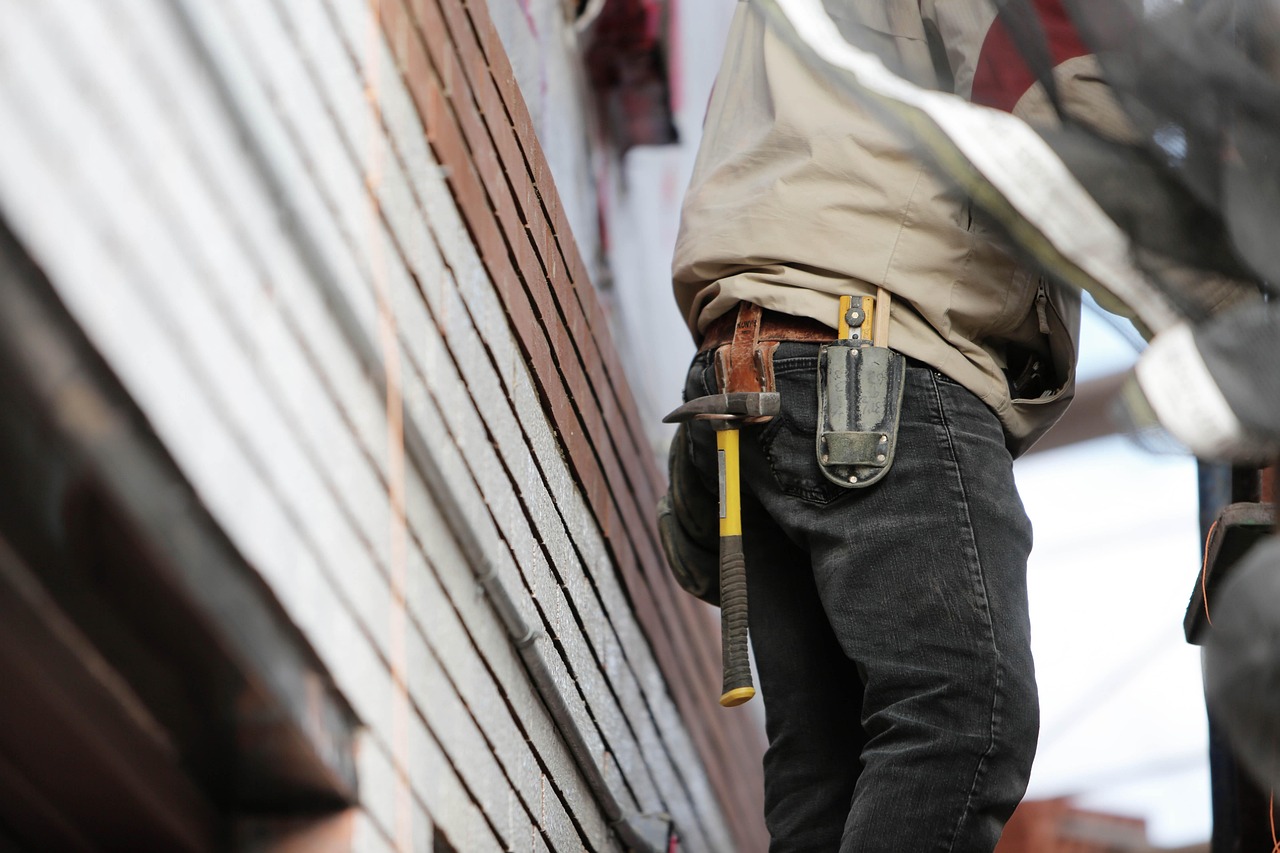
- Set out the work with levels, tapes, lines, squares and story poles.
- Prepare and move mortar with mixing tools, mortar boards, hoes, paddles or mixers.
- Place the units with trowels, line blocks, pins and alignment tools.
- Cut, drill or remove material with saws, grinders, rotary hammers and chisels.
- Finish and clean with jointers, rakes, brushes, sponges and washdown tools.
Core hand tools for brick, block and stone
Measuring and layout tools
Accurate layout tools are the quiet foundation of masonry work. A tape measure, folding rule, framing square, chalk line, mason’s line, line blocks, pins, spirit level and laser level all help keep the work straight before mortar is spread. On repetitive brick or block courses, a story pole can reduce measuring errors by marking course heights, openings and bond patterns in one reference tool.
A mason’s line is especially important because it gives a visual guide for each course. The line should be tight enough to stay straight, but not so tight that it pulls line blocks or pins out of position. On longer runs, intermediate supports may be needed to prevent sag. A level checks individual units, while the line controls the face of the wall across a longer distance.
Trowels and mortar handling tools
The brick trowel is the most recognizable masonry hand tool, but it is not the only trowel worth understanding. A London or Philadelphia-style brick trowel is used to pick up, spread and cut mortar. A pointing trowel reaches smaller areas. A margin trowel helps clean edges, scoop material from pails and work in tight joints. For repair work, tuckpointing trowels and narrow jointers allow more controlled placement of fresh mortar into existing joints.
Mortar handling tools include a mortar board, hawk, mud pan, mixing hoe, bucket, wheelbarrow and paddle mixer. The right choice depends on batch size and site access. A small repair may only require a bucket and margin trowel. A larger wall usually needs a wheelbarrow, mortar pan or mixer so the mortar stays workable and close to the mason without constant trips across the site.
Jointers, rakes and brushes
Joint finishing tools shape and compact the mortar after the masonry units are placed. Common profiles include concave, V, flush, weathered and raked joints. The Brick Industry Association’s technical guidance emphasizes complete mortar joints and proper tooling for exterior exposure because joint shape and compaction influence how the wall sheds water. A jointer is therefore more than a cosmetic tool; it affects the wall surface that weather reaches first.
Timing matters. If a joint is too wet, tooling can smear mortar and weaken the crisp edge. If it is too dry, the tool may drag, tear or fail to compact the surface. Brushes are used after the joint has firmed enough to remove crumbs without washing or scraping the face. Wire brushes should be used cautiously because they can scratch some brick and stone surfaces.
Power tools and cutting tools deserve a separate decision
Masonry saws and angle grinders
Cutting tools should be selected for the material, cut depth, cut quality and dust control requirement. A stationary masonry saw is useful for repeated, accurate cuts in brick, block, pavers or stone units. A handheld cut-off saw is more mobile and can handle larger materials, but it requires firm control and appropriate guarding. An angle grinder is useful for trimming, scoring, raking mortar and small cuts, but it is not a full substitute for a masonry saw on repeated deep cuts.
Diamond blades are common for masonry cutting, but the blade still has to match the material and tool speed. A blade designed for concrete may not behave the same way in hard brick, dense pavers or natural stone. Wet-cutting blades need water delivery when specified. Dry-cutting blades still require dust planning and should not be treated as dust-free. For any blade, the user should check the rated speed, arbor fit, guard compatibility and manufacturer instructions before cutting.
Hammer drills, rotary hammers and demolition tools
Drilling into masonry is another area where tool names can be misleading. A standard drill with a masonry bit may work for occasional light-duty holes in soft brick. A hammer drill adds percussion action and is better for anchors and small holes in masonry. A rotary hammer, often using SDS-plus or SDS-max bits, is designed for heavier drilling and chipping in concrete, block and stone. For removal work, chipping hammers, demolition hammers and masonry chisels may be needed.
Anchor holes should be drilled to the diameter, depth and cleanliness required by the anchor manufacturer or project specification. Dust left in a hole can reduce anchor performance, especially for adhesive anchors. That is why many professional systems pair the drill with a hollow bit, vacuum attachment, blowout bulb, brush or dust extractor.
Mixers, dust extractors and cleanup equipment
Mixing equipment ranges from a margin trowel in a bucket to a paddle mixer or dedicated mortar mixer. The main goal is consistency. Mortar should be mixed to the requirements of the product, project specification and site conditions, not judged by appearance alone. ASTM C270 is a common U.S. reference for mortar for unit masonry, while project documents may also reference masonry specifications and local code requirements.
Dust extractors are not ordinary shop vacuums. Masonry dust can contain respirable crystalline silica when concrete, mortar, brick, block, stone or similar materials are cut, ground or drilled. OSHA’s Respirable Crystalline Silica standard for construction identifies tasks such as masonry saw use, handheld saw use, grinding, drilling, jackhammering and powered chipping as activities that may require specified engineering controls or exposure assessment. NIOSH also warns that cutting, grinding, polishing and drilling silica-containing materials can make fine dust airborne. In practice, water delivery, shrouds, compatible dust collection, HEPA filtration and respiratory protection may be part of the tool system, not optional accessories.
Choosing masonry tools by task rather than by label
The best tool selection method is to start with the job and work backward. Bricklaying, blockwork, stone veneer, repointing and concrete cutting overlap in some areas, but they do not need identical kits. The table below summarizes practical priorities.
| Task | Tool priorities | Selection notes | Common mistake |
|---|---|---|---|
| Brick wall or veneer | Line, level, brick trowel, jointer, brush | Prioritize alignment, joint consistency and clean mortar handling. | Buying cutting tools before having accurate layout tools. |
| Concrete block work | Block trowel, mason’s line, level, story pole, saw or splitter | Block units are larger and heavier, so line control and efficient mortar placement matter. | Using a small brick trowel for work that needs more mortar capacity. |
| Stone veneer | Pointing tools, margin trowel, grinder or saw, spacers, brushes | Irregular shapes often require fitting, trimming and careful joint packing. | Assuming one blade will cut every stone cleanly. |
| Repointing | Joint rake, tuckpointing trowel, grinder with shroud, brush, dust control | Removal depth, mortar compatibility and dust control are more important than speed. | Grinding aggressively and damaging the edges of brick or stone. |
| Anchor drilling | Hammer drill or rotary hammer, correct bit, dust removal tools | Match the bit and hole cleaning method to the anchor instructions. | Drilling oversize holes or leaving dust inside the hole. |
| Concrete or paver cutting | Masonry saw, diamond blade, water delivery or dust collection, PPE | Cut depth, material hardness and exposure control should guide the tool choice. | Using an angle grinder for long, deep or repeated cuts. |
For occasional home repair, it often makes sense to buy durable hand tools and rent expensive cutting or demolition tools. A pointing trowel, margin trowel, jointer, brush, level, line and bucket can handle many small repairs. For repeated work, ownership becomes more practical because tool compatibility, blade selection, dust extraction and maintenance can be standardized. See also: Bolts & Fasteners.
For professional or shared jobsite use, compatibility should be treated as a purchasing requirement. A grinder should accept the required guard or shroud. A saw should support the necessary water delivery. A dust extractor should match the tool port and filter requirements. Batteries, chargers, extension cords and generator capacity should also be checked before the tool arrives on site.
Safety, standards and jobsite limits affect tool choice
Masonry tools are selected not only for productivity, but also for the conditions under which they can be used safely. Cutting, grinding and drilling can create airborne dust; saws and grinders can throw fragments; mixers and rotary hammers can strain hands, wrists and shoulders; and wet cutting can introduce slip and electrical hazards if the setup is poor. Tool choice should therefore include guarding, water control, dust collection, hearing protection, eye protection, gloves and stable work positioning.
In the United States, OSHA’s construction silica rule allows employers to use listed control methods in Table 1 for many common tasks or to assess exposure and limit it by other compliant means. OSHA also restricts dry sweeping or dry brushing where those practices can contribute to silica exposure and wet sweeping, HEPA-filtered vacuuming or other lower-dust methods are feasible. This article is not legal advice, but it highlights a practical buying point: a masonry power tool should be evaluated as part of a control system.
Standards and specifications can also influence tool choice. The Masonry Society describes TMS 402/602 as combining building code requirements and specification provisions for masonry structures, while ASTM C270 addresses mortar for unit masonry. On commercial projects, these references may appear in drawings or specifications. For tool planning, that means the crew may need tools that support specified joint profiles, tolerances, mortar handling, reinforcement placement, grouting, inspection access and cleaning methods.
- Eye protection is essential when cutting, drilling, chipping, mixing or brushing masonry.
- Hearing protection should be considered around saws, grinders, rotary hammers and mixers.
- Respiratory protection may be required depending on material, task, duration and controls.
- Gloves and footwear help with abrasive surfaces, sharp units, wet mortar and heavy blocks.
- Electrical protection matters when water delivery and corded tools are used together.
Maintenance and storage keep masonry tools accurate
Masonry materials harden, abrade and corrode tools quickly. Mortar left on a trowel changes the edge and balance. Dust inside a grinder or rotary hammer can shorten service life. A damaged level, bent line pin or worn jointer can quietly reduce workmanship long before the tool completely fails. Maintenance should be part of the workflow, not something saved for the end of the season.
Hand tools should be cleaned before mortar cures. Trowel edges should be protected from heavy impacts, and steel tools should be dried before storage to reduce rust. Levels should not be used as straightedges for striking or prying. Mason’s line should be kept clean and replaced when frayed, stretched or contaminated with hardened mortar.
Power tools require a different routine. Inspect guards, cords, plugs, switches, batteries, water connections and dust ports before use. Check blades for cracks, missing segments, warping or incorrect rating. Empty dust extractors according to the manufacturer’s instructions and avoid shaking filters in a way that re-aerosolizes dust. If a tool vibrates unusually, overheats or trips breakers, stop and diagnose the cause rather than forcing it through the cut.
Frequently asked questions
What masonry tools should a beginner buy first?
For small brick or mortar repair, start with a margin trowel, pointing trowel, jointer, stiff brush, bucket, sponge, tape measure, level, mason’s line and gloves. Add cutting or drilling tools only after the project requires them. For large, structural or exterior work, consult the project specifications and consider professional help.
Is an angle grinder enough for masonry cutting?
An angle grinder can handle small trimming, scoring and mortar removal when fitted with the right blade and guard, but it is not ideal for every cut. Repeated cuts, deep cuts, thick pavers and dense units may call for a masonry saw or cut-off saw with proper dust or water control.
What tools are used for repointing?
Typical repointing tools include a joint rake or grinder for removing deteriorated mortar, a brush for cleaning joints, a tuckpointing or pointing trowel for placing new mortar, and a jointer for finishing the profile. Dust control is especially important when grinding old mortar.
Do masonry tools require special safety equipment?
Many masonry tasks require eye protection, gloves, hearing protection and dust controls. Cutting, grinding and drilling materials that contain crystalline silica may require water delivery, local exhaust, HEPA filtration or respiratory protection depending on the task and exposure conditions.
What is the difference between a hammer drill and a rotary hammer?
A hammer drill is usually suited to lighter drilling in masonry, while a rotary hammer delivers stronger impact energy for larger holes, repeated anchor drilling and some chipping work. The correct choice depends on hole size, material hardness, frequency of use and bit system.


