
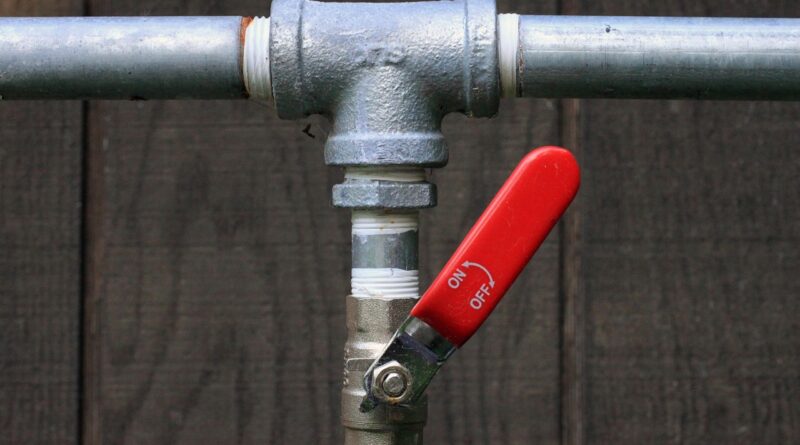
Pipe valves and fittings selection guide for industrial piping systems
How pipe valves and fittings work together
Pipe valves and fittings are usually specified on the same drawings, but they do different jobs in a piping system. Valves control flow, isolate equipment, throttle service, reduce reverse flow, or protect downstream assets. Fittings route the pipe, adapt sizes, connect sections, create branches, and provide service access. A reliable specification starts with the service conditions: fluid, pressure, temperature, connection method, inspection needs, and the applicable standard.
In industrial piping, the question is not simply whether a part fits the pipe. The more important question is whether the valve, fitting, gasket, bolting, pipe material, and installation method can work together as one pressure boundary over the expected service life.
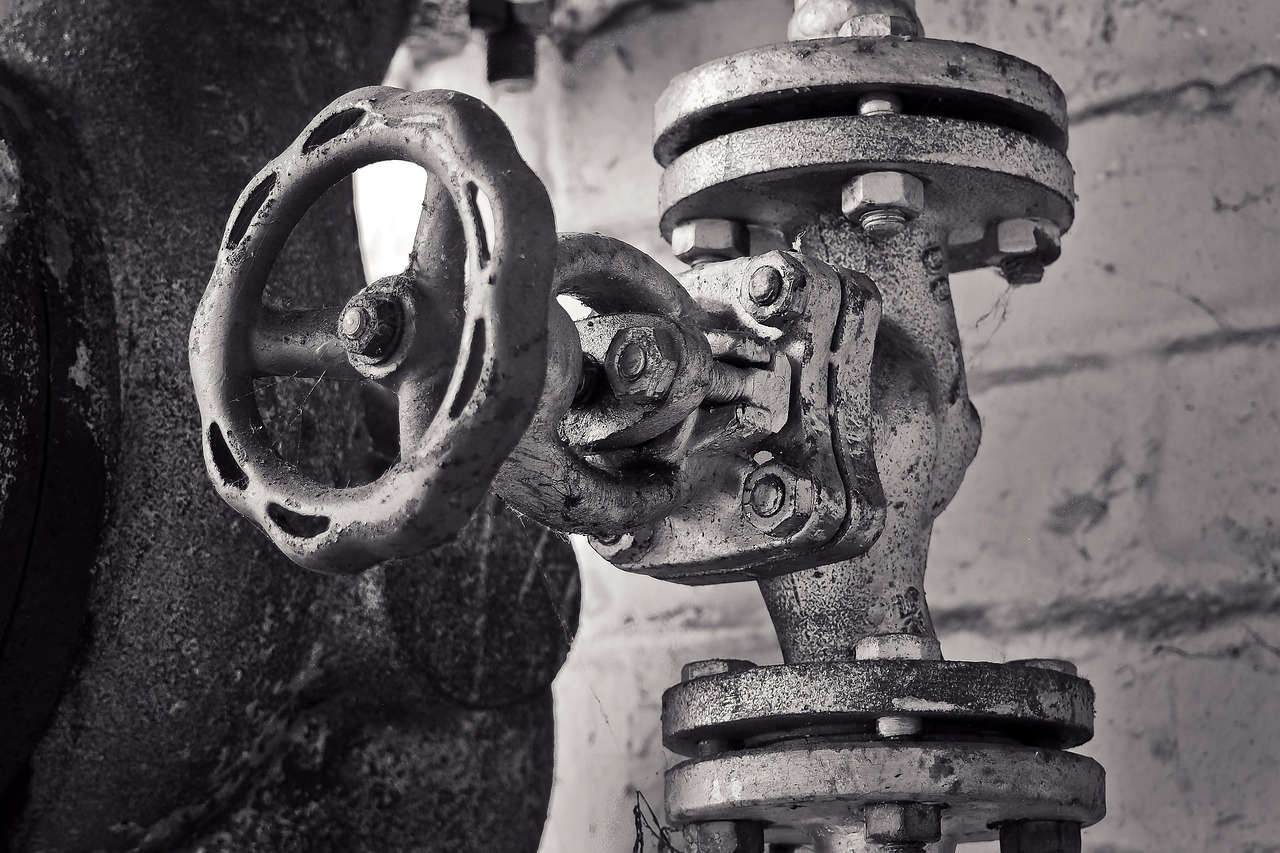
This guide explains the practical selection logic behind pipe valves and fittings, with source-based notes from widely used standards organizations such as ASME, ASTM, API, MSS, and NSF. For related category coverage, see the Fittings & Valves section.
Start with function before choosing a product type
A common selection error is starting with a catalog shape instead of the system function. Every valve and fitting in a piping layout should have a clear purpose. That purpose may be isolation, pressure control, redirection, maintenance access, vibration management, drainage, venting, sampling, or safe equipment removal.
Valve function should match operating behavior
Gate valves, ball valves, globe valves, butterfly valves, check valves, plug valves, and pressure relief devices are not interchangeable just because they share a nominal pipe size. A full-port ball valve is often selected where low pressure drop and quick isolation are important. A globe valve is commonly used where throttling is required, because its internal flow path supports a more controllable pressure drop. Check valves are installed to reduce reverse flow, but their performance depends heavily on flow velocity, orientation, and system dynamics.
Selection should also reflect how often the valve will operate. A valve cycled daily in a process line has different requirements from an emergency isolation valve that may remain in one position for long periods. Seat material, stem sealing, actuation, cycle life, packing access, and lockout provisions can matter as much as nominal size.
Fitting function should match geometry and stress
Elbows, tees, reducers, caps, couplings, unions, flanges, nipples, and branch connections define the physical route of the system. A fitting may look simple, but it can introduce turbulence, welds, wall-thickness transitions, stress concentration, and future maintenance limits. For example, a concentric reducer and an eccentric reducer both adapt pipe sizes, but an eccentric reducer is often chosen where the piping layout must avoid a pocket that can trap liquid or vapor.
Branch connections need the same level of attention. A standard tee, reducing tee, welded outlet, or fabricated branch may lead to different inspection and reinforcement requirements. The right choice depends on the piping code, design pressure, cyclic service, corrosion allowance, and whether the branch is part of a critical pressure system.
Match materials to fluid, temperature, and environment
Material selection is where many premature failures begin. Pipe valves and fittings must be compatible not only with the main fluid, but also with cleaning chemicals, water treatment additives, external atmosphere, insulation conditions, and occasional upset conditions. Carbon steel, stainless steel, ductile iron, brass, bronze, copper alloy, PVC, CPVC, polypropylene, and specialty alloys each have service windows. Those windows become narrower as temperature, corrosion exposure, pressure cycling, or mechanical loading increases.
For metallic components, corrosion resistance is only one part of the decision. Strength at temperature, toughness, weldability, galvanic compatibility, and the availability of matching pipe and flange materials also matter. For plastic or thermoplastic components, chemical compatibility, pressure derating at elevated temperature, UV exposure, and joining method are often decisive.
Drinking water service adds a separate health-effects requirement. NSF describes NSF/ANSI/CAN 61 as a consensus standard that establishes minimum health-effects criteria for products, components, and materials in contact with drinking water. This matters for valves, fittings, gaskets, coatings, linings, and other wetted parts. A pressure-capable component is not automatically acceptable for potable water unless the required certification and local code acceptance are also satisfied.
Understand pressure class and end connections
Nominal pipe size alone does not define whether a component is suitable for service. A 2-inch valve or fitting may be available in several pressure classes, schedules, materials, and end connections. The pressure-temperature rating is tied to material group, wall thickness, standard, and connection design. Higher temperature generally reduces allowable pressure for many materials, so a room-temperature rating should not be treated as the complete design basis.
Threaded connections
Threaded valves and fittings are compact and common in small-bore piping, utility lines, and noncritical services. They are easy to assemble, but they can be vulnerable to thread damage, over-tightening, leakage from poor sealant use, and fatigue in vibrating service. Threads also reduce effective wall thickness at the joint. For that reason, threaded construction is often limited by project specifications in severe, cyclic, hazardous, or high-temperature service.
Socket weld and butt weld connections
Socket weld fittings can be useful for small-bore high-pressure work where a compact welded joint is preferred. Butt weld fittings provide a continuous flow path and are widely used in industrial and process piping, especially where inspection, strength, and long-term integrity are important. ASME B16.9 is the widely referenced standard for factory-made wrought buttwelding fittings and covers dimensions, tolerances, ratings, testing, and markings for sizes from NPS 1/2 through NPS 48, according to ASME’s public standard description.
Flanged connections
Flanged joints make valves, strainers, meters, pumps, and equipment easier to remove. They also introduce requirements for gasket selection, bolt loading, alignment, and face finish. ASME B16.5 covers pipe flanges and flanged fittings from NPS 1/2 through NPS 24. ASME’s public listing shows a 2025 edition of B16.5 issued on May 30, 2025. For larger steel flanges, ASME B16.47 is commonly referenced for NPS 26 through NPS 60. The practical point is straightforward: flange size, class, facing, gasket type, bolting, and tightening practice must be specified as a matched set. See also: Bolts & Fasteners.
Standards that often appear in valve and fitting specifications
Standards do not replace engineering judgment, but they create a common language for dimensions, pressure-temperature ratings, materials, testing, tolerances, and markings. The exact standard depends on the industry, jurisdiction, fluid, pressure system code, and owner specification. The table below summarizes common references and the type of question each one helps answer.
| Standard or organization | Typical relevance to pipe valves and fittings | What to verify |
|---|---|---|
| ASME B16 series | Valves, flanges, fittings, gaskets, and related pressure-service components | Correct edition, size range, pressure class, material group, dimensions, marking, and testing requirements |
| ASME B16.34 | Flanged, threaded, and welding-end valves | Valve pressure-temperature rating, body design basis, materials, nondestructive examination, testing, and marking |
| ASME B16.9 | Factory-made wrought buttwelding fittings | NPS range, wall thickness, fitting type, dimensional tolerances, markings, and compatibility with the piping code |
| ASTM material specifications | Material requirements for steel, stainless, alloy, copper alloy, and other products | Grade, heat treatment, chemical composition, mechanical properties, test reports, and traceability |
| API 598 | Valve inspection and pressure testing for common industrial valve types | Required shell test, seat test, closure test, inspection scope, and acceptance criteria |
| NSF/ANSI/CAN 61 | Health-effects evaluation for drinking water system components | Certification scope, wetted materials, product listing, and local code acceptance |
| MSS standards | Valve, fitting, flange, pipe support, and specialty component practices | Whether the project specification calls for a particular MSS Standard Practice and edition |
Edition control is important. ASME’s public information in 2026 lists recent B16 revisions, including B16.9-2024 for factory-made wrought buttwelding fittings, issued on October 16, 2024, and B16.34-2025 for valves with flanged, threaded, and welding ends, issued on May 30, 2025. A project should state the governing edition rather than rely on an informal phrase such as “latest edition,” especially when procurement, inspection, and documentation may occur months apart.
Check compatibility across the whole joint, not just the component
A piping joint is a system. A high-quality valve can still leak if the flange facing, gasket material, bolt grade, lubrication practice, and tightening sequence are mismatched. A correct fitting can still fail early if the pipe schedule, weld procedure, post-weld heat treatment, or corrosion allowance is wrong. Good specifications look across the whole joint and confirm that every part is compatible.
For flanged joints, confirm the flange standard, pressure class, facing type, gasket style, gasket material, bolt material, nut material, washer policy, and assembly procedure. For welded joints, confirm material grade, weld end preparation, wall thickness, filler metal, welding procedure qualification, welder qualification, examination method, and any heat treatment requirement. For threaded joints, confirm thread form, sealant compatibility, make-up torque practice, and accessibility for inspection.
Installation space should also be checked before procurement. Valves need handle clearance, actuator clearance, suitable stem orientation, packing access, and sometimes straight-run requirements for flow stability. Fittings need enough room for welding, inspection, insulation, drainage, support, and future removal. A component that fits in a model may still be difficult to install safely in the field.
Common selection mistakes that increase lifecycle cost
- Using nominal size as the main selection criterion. Size is only a starting point. Pressure class, wall thickness, material, end connection, and standard must also match the design conditions.
- Ignoring temperature effects. Many pressure ratings are reduced at elevated temperatures. Always check pressure-temperature tables for the applicable material and standard.
- Mixing incompatible materials. Galvanic corrosion, chemical attack, dezincification, chloride stress corrosion cracking, and elastomer swelling can all result from poor compatibility checks.
- Choosing the wrong valve for throttling. Some valve types are excellent for isolation but poor for sustained throttling. Using them outside their intended control range can damage seats and reduce service life.
- Forgetting maintenance access. A valve that cannot be reached, repacked, tested, locked out, or removed can turn a small maintenance task into a shutdown problem.
- Failing to document standards and editions. Unclear specifications invite substitutions that may look similar but differ in dimensions, testing, material traceability, or certification.
A practical specification checklist
Before issuing a purchase request or approving a submittal, a simple checklist can prevent many errors. The goal is not to overdesign every component. The goal is to make the requirement clear enough that the supplied valve or fitting matches the service.
- Define the fluid, including normal composition, contaminants, cleaning chemicals, and upset conditions.
- State the design pressure, design temperature, operating range, and any vacuum or surge conditions.
- Identify the governing piping code, owner specification, and required component standards.
- Specify material grade, product form, corrosion allowance, lining or coating, and required certification.
- Define valve type, port style, trim, seat, packing, actuation, position indication, and testing requirement.
- Define fitting type, size, wall thickness or schedule, end connection, dimensional standard, and marking requirement.
- Check flange facing, gasket, bolting, and assembly requirements as a complete joint package.
- Confirm inspection documents, material test reports, pressure test records, and traceability needs.
- Review installation access for operation, welding, testing, insulation, support, and future replacement.
For critical service, this checklist should be reviewed by qualified piping, mechanical, materials, and inspection personnel. For less severe building services or utility lines, the same logic still applies, but the documentation depth may be lower.
Frequently asked questions
What is the difference between pipe valves and pipe fittings?
Pipe valves control flow, pressure, direction, or isolation. Pipe fittings connect pipe sections, change direction, change size, create branches, or close openings. A valve has an operating function, while a fitting primarily has a routing or joining function. Both are part of the pressure boundary and must be compatible with the piping system.
Can valves and fittings with the same nominal size always be used together?
No. Nominal size does not guarantee compatibility. The pressure class, wall thickness, material, end connection, face type, gasket, bolting, and applicable standard must also match. This is especially important for flanged and welded systems.
Which standards are most important for industrial pipe valves and fittings?
Common references include the ASME B16 series for valves, flanges, fittings, and gaskets; ASTM specifications for materials; API 598 for valve inspection and testing; MSS practices for selected valve and fitting details; and NSF/ANSI/CAN 61 for drinking water contact materials. The governing standard depends on the application and jurisdiction.
Why should the standard edition be stated in a specification?
Standards are revised over time. Stating the edition helps procurement, inspection, and installation teams work from the same requirements. It also reduces disputes when a project spans multiple months or when suppliers quote components manufactured to different editions.
What is the most practical way to reduce valve and fitting failures?
Start with service conditions, then verify material compatibility, pressure-temperature rating, end connection, testing, documentation, and installation access. Most avoidable problems come from treating valves and fittings as simple commodity items rather than as engineered pressure-boundary components.


