
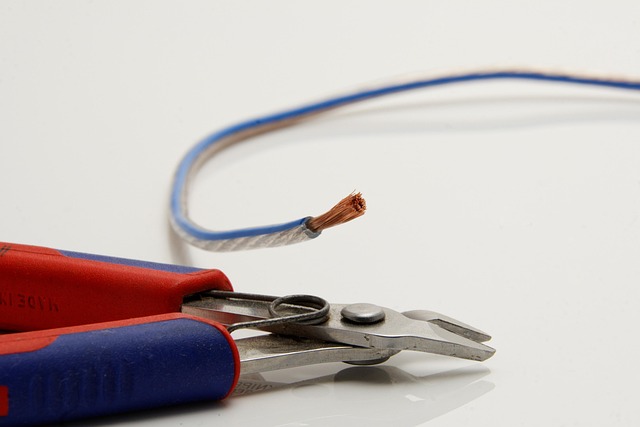
Is the MC Cable Cutter the Key to Maximizing Greenlee C3 Auto Whip Efficiency
Greenlee C3 Auto Whip Clad Cable Cutter
The Greenlee C3 Auto Whip paired with a precision MC cable cutter forms a highly efficient system for processing metal-clad cables in commercial and industrial wiring projects. This integration minimizes manual labor, reduces material waste, and improves consistency across large installations. The combination of automation from the Greenlee C3 Auto Whip and the mechanical accuracy of an MC cable cutter allows electrical professionals to achieve faster throughput without sacrificing safety or quality.
Understanding the Relationship Between the MC Cable Cutter and the Greenlee C3 Auto Whip
In large-scale electrical construction, time spent on repetitive cable preparation tasks can significantly affect project timelines. The synergy between an automated whip system and a reliable cutting tool determines both efficiency and cost-effectiveness during installation.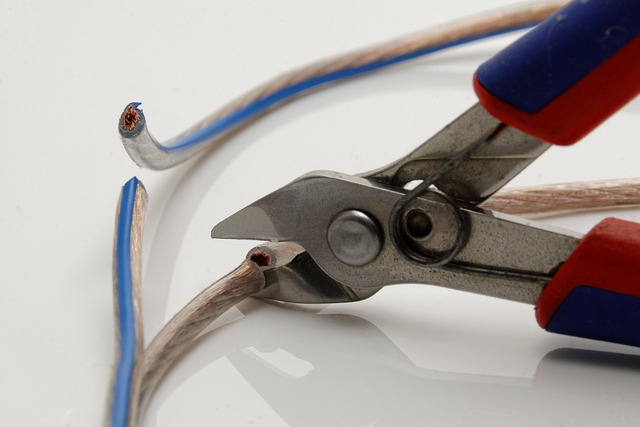
Overview of the Greenlee C3 Auto Whip System
The Greenlee C3 Auto Whip is engineered to streamline the process of cutting and preparing MC (Metal Clad) cable. It automates repetitive procedures that would otherwise require manual labor, offering consistent results with minimal operator intervention. In high-volume environments such as data centers or multi-floor commercial builds, this automation reduces fatigue and enhances precision. Integration with compatible tools like an MC cable cutter further refines its performance, allowing continuous feed operations without interruptions caused by irregular cuts or cable deformation.
The Function and Design of an MC Cable Cutter
An MC cable cutter is designed to slice armored or metal-clad cables cleanly without damaging internal conductors. Its geometry focuses on maintaining roundness in the cut section while avoiding burrs that could interfere with connectors or strain relief fittings. Some models use ratcheting mechanisms for controlled force application, while others employ rotating blades for uniform pressure distribution. Selecting a cutter compatible with automated systems like the Greenlee C3 Auto Whip ensures proper feeding alignment and maintains consistent output lengths.
Evaluating Efficiency Gains from Using an MC Cable Cutter with the Greenlee C3 Auto Whip
When both tools operate in tandem, mechanical precision meets automated consistency. This pairing not only accelerates production but also extends equipment lifespan by reducing operational stress on moving parts.
Mechanical Synergy Between Cutter and Auto Whip
A precisely cut cable places less strain on the auto whip’s feed mechanism, reducing torque fluctuations during operation. Consistent cut quality improves automation accuracy by preventing feed jams or misalignments that could halt production lines. Proper alignment between cutter output and auto whip intake determines how smoothly materials transition through each stage—affecting both speed and wear patterns on internal rollers.
Impact on Workflow Speed and Labor Productivity
Pre-cutting cables using a high-quality MC cable cutter shortens cycle times within the auto whip process since each piece enters at optimal length and shape. Less manual adjustment means fewer stoppages for recalibration or error correction. Over time, this translates into measurable productivity gains—particularly across multi-shift operations where even minor time savings per cycle accumulate into significant labor reductions.
Efficiency Improvements as Cost Savings
Reducing manual intervention not only boosts speed but also cuts down rework costs associated with damaged conductors or uneven cuts. Projects requiring thousands of terminations benefit most; fewer errors mean lower scrap rates and improved profitability margins per installation phase.
Technical Considerations for Optimizing Performance
To sustain consistent performance over extended operation, technicians must account for material compatibility, calibration accuracy, and maintenance discipline throughout both tools’ lifecycles.
Material Compatibility and Blade Selection
Different types of MC cables—aluminum armor, steel jacketed, or copper-clad—demand specific blade compositions to maintain edge durability. Using mismatched blades can cause premature wear or uneven cuts that disrupt feeding in automated systems. Regular blade inspection ensures sharpness remains within tolerance levels across production runs, preserving uniformity in every batch processed.
Calibration and Maintenance Practices
Accurate calibration between cutter output length and auto whip intake tolerance prevents misalignment that could lead to jams or inconsistent stripping depth. Scheduled maintenance routines should include checking roller tension, verifying clamp pressure, and cleaning residue from cutting surfaces to avoid contamination buildup over time.
Lubrication Protocols
Proper lubrication reduces friction along moving parts inside both devices, extending service life while maintaining smooth motion during high-speed cycles. Neglecting this step often results in heat accumulation that dulls blades faster than expected.
Safety and Ergonomic Factors in Integrated Cable Cutting Systems
Integrating mechanical cutters with automated whips enhances not only efficiency but also operator safety when configured correctly under professional standards such as OSHA 1910 Subpart S for electrical safety practices.
Operator Safety Enhancements Through Proper Tool Pairing
Using a compatible MC cable cutter eliminates kickback risks commonly associated with mismatched tooling setups during high-speed feeding operations. Secure clamping mechanisms further stabilize cables under load conditions, minimizing accidental slippage that might otherwise cause injury or damage equipment components.
Ergonomic Advantages for Skilled Technicians
Reduced manual force requirements lower repetitive strain injuries among operators who handle hundreds of cuts per shift. Streamlined setup procedures also help maintain consistency across multiple technicians working different shifts—critical for maintaining quality control in continuous production environments.
Workplace Comfort Considerations
Ergonomically designed handles on modern cutters improve grip comfort during prolonged use periods, allowing electricians to maintain steady control without excessive wrist fatigue—a subtle yet important factor influencing long-term job satisfaction among skilled tradespeople.
Assessing Return on Investment (ROI) in Professional Electrical Applications
From a financial perspective, integrating an MC cable cutter with the Greenlee C3 Auto Whip represents more than just a convenience upgrade—it’s a strategic investment yielding measurable returns through reduced labor hours and improved operational reliability.
Cost-Benefit Analysis of Integrating an MC Cable Cutter with the Greenlee C3 Auto Whip
Although specialized cutters carry higher upfront costs compared to basic hand tools, their precision minimizes rework incidents that inflate project budgets over time. Contractors managing large-scale installations often report labor savings exceeding 20% once automation workflows stabilize across multiple job sites.
Decreased Rework Rates Improve Profitability
Each avoided conductor nick or armor deformation prevents costly replacements later in assembly stages. Consistent cut quality supports accurate terminations that pass inspection faster—reducing downtime tied to compliance checks under NEC Article 330 requirements governing metal-clad cabling systems.
Enhanced Throughput Supports Larger Contract Capacity
With faster turnaround per unit processed, firms can take on additional contracts without expanding workforce size—a key advantage amid skilled labor shortages affecting many regions’ electrical trades markets today.
Long-Term Operational Sustainability
Efficient pairing between these tools contributes to sustainability goals by reducing material waste from improper cuts and lowering overall energy consumption through optimized motor cycles within automated systems.
FAQ
Q1: What makes the Greenlee C3 Auto Whip different from manual preparation methods?
A: It automates repetitive cutting tasks for MC cables, improving speed and consistency compared to manual stripping methods used by electricians on-site.
Q2: Can any MC cable cutter work with the Greenlee C3 Auto Whip?
A: Not all cutters are compatible; only those designed for precise diameter control align properly with automated feed mechanisms used in this system.
Q3: How often should blades be replaced when processing aluminum-clad cables?
A: Under typical usage conditions involving daily operation, blades should be inspected weekly for wear patterns and replaced once surface dulling appears under magnification tests.
Q4: Does integrating these tools reduce total energy consumption?
A: Yes, smoother feeds reduce motor load fluctuations inside automation units, lowering total kilowatt-hour usage over extended production cycles.
Q5: What safety measures are recommended during setup?
A: Always disconnect power before calibration adjustments, verify grounding continuity under OSHA 1910 standards, and confirm guards are locked before initiating automatic feeds.


