
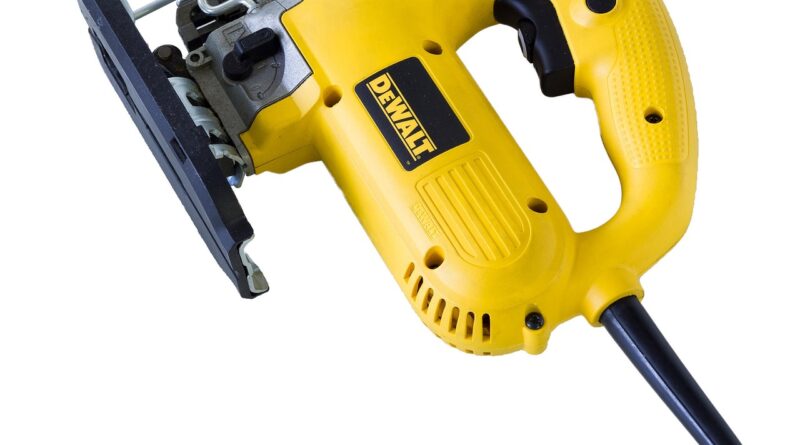
Hand and power tools guide for safer selection, use, and maintenance
Quick answer for choosing hand and power tools
Hand and power tools should be selected by matching the tool to the material, the frequency of the task, the power source, available safety controls, and the expected maintenance burden. The right choice is not simply the tool with the highest torque, fastest speed, or lowest purchase price. Hand tools offer control, simplicity, and low setup time for measuring, fastening, gripping, cutting, and finishing. Power tools improve speed and repeatability, but they also introduce hazards such as rotating parts, kickback, dust, noise, vibration, battery risk, cords, hoses, and damaged accessories. A reliable tool kit usually starts with durable hand tools, then adds corded, cordless, pneumatic, or powder-actuated tools where the work justifies the extra power, training, and inspection.
What counts as hand and power tools
The phrase hand and power tools covers a wide range of workshop, jobsite, and maintenance equipment. Hand tools are driven by the user’s physical force. Common examples include hammers, pliers, screwdrivers, wrenches, chisels, files, handsaws, clamps, measuring tapes, squares, levels, utility knives, and manual riveters. Their main value is precision, portability, low noise, and fewer mechanical failure points.
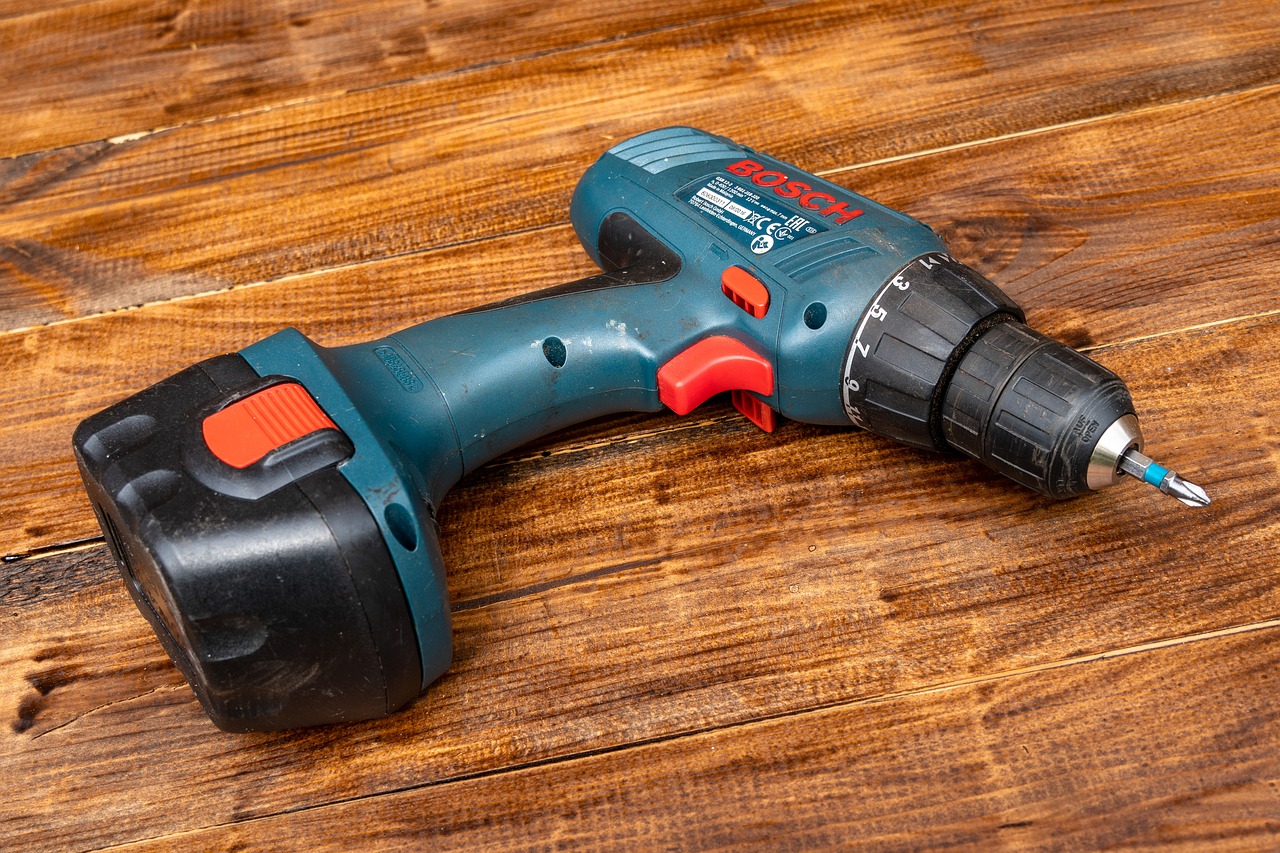
Power tools use an external energy source such as electricity, batteries, compressed air, fuel, hydraulic pressure, or powder charges. Typical examples include drills, impact drivers, circular saws, angle grinders, rotary hammers, sanders, planers, nailers, staplers, cut-off tools, polishers, heat guns, and demolition hammers. They can reduce labor time, but they also require closer control of guarding, accessories, workholding, dust collection, electrical safety, and inspection.
For more practical coverage of related equipment categories, see the Tools & Power section.
Hand tools versus power tools in real work
In many tasks, the best method is not hand tools or power tools alone, but the right sequence of both. A carpenter may mark and square a cut by hand, make the cut with a circular saw, and then fine-tune the edge with a block plane. A mechanic may loosen a stubborn fastener with a breaker bar, then use an impact wrench only after checking that the socket, fastener, and nearby components can tolerate the shock load.
| Tool type | Best suited for | Main advantage | Main limitation |
|---|---|---|---|
| Hand tools | Layout, adjustment, light cutting, controlled fastening, inspection | High control and simple maintenance | Slower on repetitive or heavy work |
| Corded power tools | Continuous drilling, cutting, grinding, sanding, shop use | Stable power without battery downtime | Cord management and outlet dependence |
| Cordless power tools | Field work, service calls, mobile installation, overhead tasks | Mobility and fast setup | Battery cost, charging discipline, heat management |
| Pneumatic tools | High-cycle fastening, automotive work, production environments | Light tool body and long duty cycles | Compressor, hose, coupling, and moisture control requirements |
| Powder-actuated tools | Fastening into concrete or steel where permitted | High fastening energy in dense base materials | Requires specific training, controlled use, and strict safety procedures |
A practical rule is to choose the lowest-risk tool that can produce the required result consistently. If a manual wrench provides accurate torque and access is good, it may be safer and cleaner than an impact tool. If the work involves hundreds of identical fasteners, a power driver with the correct clutch setting can reduce fatigue and improve consistency.
Selection criteria that matter more than headline power
Match the tool to the material
Material type affects cutting speed, bit geometry, wheel selection, torque demand, and heat control. Wood, mild steel, stainless steel, concrete, masonry, plastics, and coated materials all behave differently. For example, a drill that works well in pine may stall or overheat in stainless steel if the bit, speed, pressure, and cutting fluid are wrong. An angle grinder suitable for metal grinding may also be the wrong choice for a material that produces hazardous dust unless proper controls are in place.
Check capacity, duty cycle, and ergonomics
Published capacity should be treated as a working limit, not a target for routine abuse. A saw with a stated cutting depth, a drill with a maximum bit size, or a grinder with a rated wheel diameter should be used within those limits. Pushing a tool beyond its intended range can increase kickback, overheating, accessory failure, and poor finish quality.
Ergonomics deserve the same attention as power. NIOSH guidance on musculoskeletal risk factors identifies force, repetition, awkward posture, contact stress, and vibration as concerns in tool-intensive work. A heavier tool may feel more robust at purchase but cause faster fatigue during overhead work. A compact tool may improve access but transfer more vibration or heat. Handle shape, trigger control, grip diameter, balance, and auxiliary handle design should be reviewed before purchase.
Choose accessories with the same care as the tool
Many tool failures start with the accessory rather than the motor. Drill bits, abrasive wheels, saw blades, sockets, chisels, sanding discs, fasteners, and attachments must be rated for the tool speed, tool size, material, and direction of use. A quality grinder is still dangerous with a damaged wheel. A high-torque impact wrench can crack an ordinary chrome socket that was not designed for impact loads.
Safety principles for everyday use
OSHA’s hand and power tool rules emphasize that tools must be maintained in safe condition and that exposed moving parts, points of operation, belts, gears, shafts, pulleys, and similar hazards must be guarded when they create a contact risk. Those principles are useful beyond formal jobsites. Guards, handles, switches, cords, plugs, batteries, hoses, couplings, and accessories should be checked before work begins, not after a tool sounds wrong.
- Secure the workpiece. Use clamps, vises, stops, or fixtures when a workpiece can shift, spin, bind, or eject.
- Keep guards in place. Removing a guard to improve visibility or reach often moves the user closer to the hazard.
- Use the right personal protective equipment. Eye protection is a baseline for cutting, drilling, grinding, scraping, and striking work. Hearing, respiratory, hand, face, and foot protection may also be needed depending on the task.
- Control dust and debris. Cutting masonry, engineered wood, coatings, or metal can create dust or particles that may require local extraction, wet methods, filtration, or respiratory protection.
- Respect trigger and restart hazards. Disconnect power or remove the battery before changing blades, bits, wheels, or performing maintenance.
- Avoid improvised force. Pipes on wrench handles, taped triggers, modified guards, and mismatched adapters can defeat the tool’s intended safety design.
For pneumatic tools, OSHA rules for construction work include positive securing of pneumatic tools to hoses or whips and secure retainers on pneumatic impact tools to help prevent accidental disconnection or ejection of attachments. The same logic applies in a small shop: check couplers, hoses, clips, operating pressure, and tool retainers before use.
Cordless tools and battery discipline
Cordless tools have changed how crews and workshops organize work. They reduce cord-related trip hazards, shorten setup time, and make field repairs easier. The tradeoff is that the battery and charger become part of the safety system. UL and CPSC battery safety materials both emphasize compatible chargers, battery management, damage inspection, and avoiding unsafe charging conditions.
Good cordless tool practice includes buying batteries and chargers from reputable channels, following the tool maker’s charging instructions, keeping packs away from loose conductive metal parts, and removing a battery from service if it is swollen, cracked, leaking, unusually hot, smoking, or giving off an unusual odor. A battery pack that has been dropped from height or crushed should be treated cautiously even if it still powers a tool. See also: Bolts & Fasteners.
- Charge batteries on a stable, noncombustible surface where heat can dissipate.
- Do not cover chargers with cloth, packaging, sawdust, or other insulation.
- Keep packs dry and within the manufacturer’s stated temperature range.
- Do not mix chargers and batteries unless the manufacturer explicitly allows it.
- Store spare packs so terminals cannot contact nails, screws, bits, or other metal objects.
Battery platform choice is also an economic decision. A lower-cost bare tool can become expensive if batteries, chargers, and replacements are hard to source. For professional or frequent use, availability of genuine replacement packs, warranty support, and platform stability can matter as much as tool speed or torque.
Maintenance, inspection, and storage
Maintenance should be part of the normal tool routine, not an occasional cleanup task. A tool that is cleaned, inspected, and stored correctly tends to cut straighter, run cooler, last longer, and produce safer work. The maintenance burden varies by tool type. Hand tools need cleaning, rust prevention, handle inspection, edge care, and calibration where applicable. Power tools add brushes or electronics, cords, switches, vents, bearings, guards, batteries, chargers, and accessories.
Before use
- Inspect handles, grips, housings, guards, switches, cords, plugs, batteries, hoses, and fittings.
- Confirm the accessory is correct for the tool speed, material, and task.
- Check that cutting edges are sharp and abrasive wheels are not cracked, wet-damaged, or out of date where the maker specifies limits.
- Verify that adjustment locks, depth settings, chucks, collets, and flanges are tight.
After use
- Remove dust from vents, moving joints, and cases without forcing debris deeper into the tool.
- Wipe moisture and corrosive residue from metal surfaces.
- Return blades, bits, sockets, and measuring tools to organized storage so damage is visible next time.
- Tag or separate defective tools so another user does not put them back into service.
Measuring and layout tools deserve special attention. A dropped level, bent square, worn tape hook, or damaged caliper can create hidden errors that affect every cut and installation that follows. For trades where fit and alignment matter, inspection of measuring tools is part of quality control, not housekeeping.
A practical buying checklist
Before purchasing hand and power tools, compare the real use case with the full cost of ownership. The most expensive tool is not always the best fit, and the cheapest tool can become costly if it wastes consumables, breaks under normal use, or lacks safe controls.
- Define the job. List the materials, cut or fastening types, work location, frequency, and required finish quality.
- Check safety features. Look for guards, auxiliary handles, brakes, clutches, overload protection, dust ports, stable switches, and clear labeling.
- Assess ergonomics. Consider weight, balance, grip size, vibration, noise, trigger feel, and overhead use.
- Review accessory availability. Confirm that blades, bits, wheels, batteries, filters, and parts are widely available.
- Think about maintenance. Tools used daily should be easy to clean, inspect, repair, and store.
- Consider the system. Cordless tools depend on battery platform, charger quality, runtime, charge time, and replacement cost.
- Read the manual before first use. The manual defines limits, accessory requirements, maintenance intervals, and warnings specific to the tool.
For occasional home repair, a smaller kit of reliable hand tools and a few versatile cordless tools may be enough. For trade use, durability, parts support, serviceability, battery logistics, and compliance with workplace procedures become more important. In both cases, the right buying decision is the one that delivers the required work safely and repeatedly.
Frequently asked questions
Are hand tools safer than power tools?
Hand tools usually have fewer mechanical hazards, but they are not automatically safe. Dull blades, mushroomed striking heads, cracked handles, slipping wrenches, and poor body position can cause serious injuries. Power tools add speed and stored energy, so they require stricter attention to guards, accessories, power sources, and workholding.
Should I buy corded or cordless power tools?
Choose corded tools for long, continuous work where stable power matters and cord control is practical. Choose cordless tools for mobility, service work, overhead work, and locations without convenient outlets. For many users, a mixed kit is more efficient than relying on one power source for every task.
How often should tools be inspected?
Tools should be checked before each use, after drops or abnormal operation, and before they are returned to storage. High-use professional tools may also need scheduled inspection for cords, guards, bearings, switches, calibration, batteries, and accessories.
Can I use any battery charger that fits?
No. A charger that physically fits is not necessarily compatible with the battery chemistry, voltage, charging profile, or safety controls. Use the charger and battery combinations approved by the tool manufacturer, and remove damaged or suspicious packs from service.
What is the most important rule for power tool accessories?
Use only accessories that match the tool, speed rating, material, and task. A saw blade, abrasive wheel, bit, socket, or attachment that is the wrong size or rating can fail even when the tool itself is in good condition.


