
Which Garden Power Tools Are Best for a Faster Safer Yard?
Why Do Garden Power Tools Matter for a Faster Safer Yard?
For anyone looking after a lawn, hedge, patio edge, or small orchard, garden power tools take a lot of slow hand work out of the job. A mower, trimmer, blower, or saw also helps keep the finish more even, because the motor keeps the cutting speed steady while you control the tool. For more related hardware and tool guidance, visit the Tools & Power section.
Less Hand Strain During Repeat Jobs
Hand tools still have their place. A sharp pruning saw, a steel rake, and a solid spade should be in most sheds. Still, mowing, edging, trimming, and blowing over and over can wear out your wrists and back quickly. A balanced trimmer or self-propelled mower lets the motor take the load, and you only guide the cut. That helps a lot when you look after a corner lot, rental property, or a yard with slopes.
Cleaner Cuts Across Common Yard Tasks
A clean cut is not just for appearance. Ragged grass tips dry faster, hedge stems tear, and rough edges hold wet clippings. Power mowers, hedge trimmers, chainsaws, pole saws, blowers, and string trimmers keep a steadier cutting speed than most hand methods. This is useful when grass grows fast after rain, or when a hedge needs one clean pass before people come over. It is a small thing, but it saves you from cutting the same bad strip twice.
Better Timing Before Weather Changes
Yard work usually follows the weather, not the plan on your calendar. A mower with enough runtime, a trimmer that is ready, and a blower with good air speed can help you finish before rain, wind, or high heat moves in. EPA lawn and garden equipment activity estimates have used residential assumptions such as 25 annual hours for mowers, 9 for trimmers and edgers, 10 for leaf blowers and vacuums, and 13 for chainsaws. The point is simple: even home users put real hours on outdoor tools during a season.
Which Garden Power Tools Should You Buy First?
Buying every tool at once sounds convenient, but sheds fill up fast and some tools sit unused. Start with the job that takes the most time or leaves you the most tired. In many yards, that means cutting grass, cleaning edges, and clearing clippings or leaves. The right buying order depends on yard size, plant type, and how neat you want the place to look between full cleanups.
Mower for the Largest Weekly Job
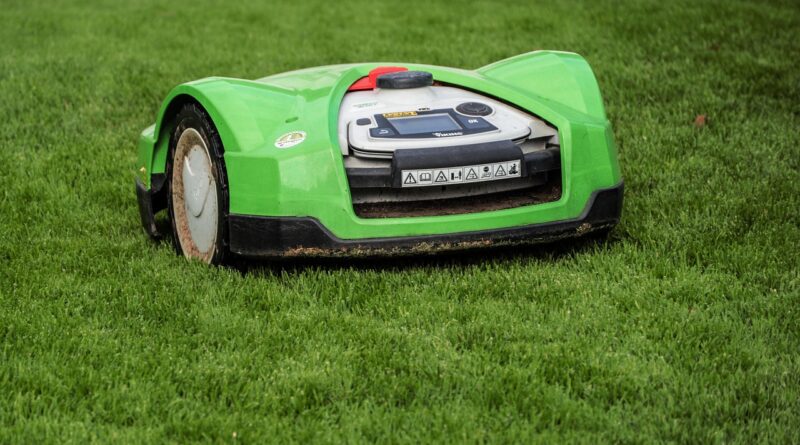
For a grass yard, the mower usually comes first. A push mower works well on small, flat areas, while a self-propelled mower is easier on slopes or thicker turf. Riding mowers make sense when the property is large enough that walking the full cut becomes a slow job. Check deck width, height adjustment, bagging or mulching options, and how easy it is to clean under the deck. If the mower is hard to lift, fold, or store, you will deal with that problem every week.
String Trimmer for Edges and Tight Spots
A mower cannot reach every fence line, tree ring, mailbox post, or raised bed. A string trimmer cleans those spots and gives the yard a finished edge. For small yards, a light battery trimmer is often enough. For heavy weeds, tall roadside grass, or long fence runs, choose a model with more torque and a larger cutting swath. Also check the line feed style. Bump feed is common, but some users like fixed line because it is simple and does not need much adjusting.
Blower or Hedge Trimmer for Seasonal Cleanup
After mowing and trimming, choose the next tool based on your landscape. A blower is useful for patios, driveways, dry leaves, and grass clippings. A hedge trimmer matters more if you have boxwood, privet, laurel, or other shaped shrubs. For hedges wider than your shoulders, blade length and tool weight matter more than many buyers expect. A heavy trimmer can look strong on the shelf, but it feels different at chest height after ten minutes.
Should You Choose Battery Electric Corded or Gas?
The power source changes how the tool feels, how long it can work, and how much care it needs. Battery electric tools are now a common choice for homes, corded tools still fit small areas near outlets, and gas tools still work well for long, hard sessions. Do not choose only because a tool type is popular. Look at distance from power, job length, storage space, noise rules, and the maintenance you are willing to do.
Battery Power for Most Home Yards
Battery tools start quickly, have no exhaust at the tool, and need less routine service than gas engines. They are a good fit for suburban mowing, trimming, hedge work, pruning, and cleanup. Stay with one battery platform if you can, because shared batteries reduce storage clutter and extra cost. Compare voltage, amp-hour rating, charger speed, and battery price. A tool sold with one small battery may look cheaper at first, but it can be annoying when it stops halfway through thick grass.
Corded Tools for Small Areas Near Outlets
Corded tools can be light, low cost, and steady for short jobs. They work best in small yards where the outlet is close and the cord path is easy to see. Use outdoor-rated cords, match the cord rating to the tool load, and keep connections off wet ground. The Electrical Safety Foundation International advises using cords rated for the product and marked for indoor or outdoor use, with cord amperage higher than the item being powered. For damp areas, GFCI protection is a basic safety habit, not an optional extra.
Gas Power for Long Heavy Sessions
Gas tools still make sense for large lots, remote work, thick brush, storm cleanup, and commercial-style use. They refuel fast and can keep running as long as you have fuel and the engine is maintained. The tradeoff is noise, exhaust, fuel storage, pull starts, spark plugs, filters, and seasonal service. EPA rules for small spark-ignition engines exist because exhaust and evaporative emissions from this equipment are real enough to regulate. If you only trim a small townhouse yard, gas is likely more machine than you need.
What Safety Details Should You Check Before Using Them?
Outdoor power tools feel familiar, and that can make users careless. Problems often start when a quick job is treated too casually. The U.S. Consumer Product Safety Commission NEISS Data Highlights for calendar year 2023 estimated 76,137 emergency department-treated injuries linked to lawn and garden equipment, 70,381 linked to lawn mowers, and 20,726 linked to trimmers and small power garden tools. These estimates do not mean every tool is unsafe, but they do show why basic checks are worth doing.
Eye Ear Hand and Foot Protection
Wear safety glasses or a face shield when trimming, mowing, cutting brush, or blowing debris. Small stones can move fast, and they do not need much size to cause injury. Gloves help with vibration, grip, and small scrapes. Closed-toe footwear is the minimum, and sturdy work shoes are better. Hearing protection is also a smart habit. CDC NIOSH has reported that equipment such as lawn mowers can average around 85 to 90 dBA, and NIOSH uses 85 dBA as a recommended exposure limit for an 8-hour time-weighted average in workplaces. A homeowner may not mow for eight hours, but loud weekend tool use adds up over the years.
Cord Battery and Fuel Checks
Before starting, look for cracked cords, loose plugs, swollen batteries, damaged battery rails, fuel leaks, and missing guards. Let batteries cool before charging if the manual says to do so. Keep chargers indoors and away from damp concrete floors. For gas tools, mix fuel only as directed and store it in approved containers. A quick pre-start scan takes less than a minute. It may feel boring, but boring is fine when spinning blades and electricity are involved.
Debris Children and Wet Grass Risks
Clear sticks, wire, toys, stones, and hoses before mowing or trimming. CPSC power mower safety guidance tells users to check the lawn for debris before mowing and avoid tipping or lifting a mower while it is running. Keep children and pets away from the work area, especially behind riding mowers. Wet grass is another common issue. It clumps, slips, hides debris, and can put extra load on the motor. If the job can wait until the surface dries, let it wait. See also: Bolts & Fasteners.
What Buying Specs Matter More Than Marketing Claims?
Tool packaging can be noisy. Bigger numbers, bright colors, and glossy photos do not always show how a tool will work in your hands. Focus on specs that match the actual jobs in your yard. A good tool should cut cleanly, run long enough, fit your body, and use replacement parts that are easy to find.
Voltage Capacity and Real Workload
Voltage can suggest the power class, but it does not explain everything. Battery capacity, motor design, blade sharpness, line diameter, and workload all affect runtime. A 20V trimmer may be fine for a narrow strip beside a driveway. A larger yard with thick grass may need a 40V, 56V, or higher platform with a bigger battery. For mowers, ask the more useful question: can it finish your normal cut on one charge with some reserve left?
Cutting Width Weight and Balance
Cutting width affects speed. A wider mower deck or trimmer swath covers more ground, but it can also add weight. Weight on paper is not the full story. Balance matters when the tool is in your hands. A rear-heavy trimmer can pull on your wrist, while a well-balanced hedge trimmer can feel steadier even if it weighs a little more. If possible, hold the tool in the working position before buying. Ten seconds in the aisle can tell you a lot.
Parts Availability and Service Access
Blades get dull. Trimmer heads wear out. Spools, chains, bars, filters, spark plugs, chargers, and batteries will need replacement at some point. Check whether common parts are easy to buy before you choose the tool. For metal and hardware buyers, this is the practical point that quick online comparisons often miss. A cheaper tool with rare parts can cost more after one broken guard or lost charger. Standard fasteners, clear manuals, and local service access make ownership easier.
How Can You Make Garden Power Tools Last Longer?
Good tools do not stay in good shape without care. Grass juice, sap, dust, rain, heat, and old fuel all shorten service life. A little cleaning after each job protects motors, blades, switches, bearings, housings, and battery contacts. It also makes the tool safer, because you are more likely to notice damage before the next start.
Blade and Line Care After Each Use
Brush off clippings, dirt, and sap after use. For mowers, clean the deck only when the tool is off and safely disabled. Sharp blades cut better and put less strain on the motor. Dull mower blades tear grass, and dull hedge blades chew stems instead of cutting them. String trimmers need the right line diameter. Line that is too thick can overload the motor, while line that is too thin breaks often. Keep a spare spool or line pack on hand so a small break does not stop the whole job.
Battery Charging and Storage Habits
Store lithium-ion batteries away from extreme heat, freezing cold, and standing moisture. Follow the brand manual for charge level during long storage. Many owners keep batteries inside the house or in a dry utility room instead of a hot shed. Use the matching charger, keep contacts clean, and do not force a battery that does not slide in smoothly. If a battery becomes swollen, cracked, very hot, or smells strange, stop using it.
Off Season Cleaning and Rust Control
At season end, clean the tool, check guards, tighten accessible fasteners, and coat bare metal lightly if the manual allows it. Drain or stabilize fuel for gas tools as directed. Hang tools where they will not fall, and avoid resting blades on damp concrete. Label batteries and chargers if several people use the shed. It may sound a little fussy, but next spring you will be glad when the mower starts and the trimmer head is not stuck with old grass.
FAQ
Q1: What Garden Power Tools Should a Beginner Buy First? A: Start with a mower if you have grass, then add a string trimmer for edges. After that, choose a blower, hedge trimmer, or pruning saw based on the plants and surfaces in your yard.
Q2: Are Battery Garden Power Tools Strong Enough for Normal Home Use? A: Yes, many battery tools are strong enough for typical mowing, trimming, hedge cutting, and cleanup. Match the battery platform and capacity to your yard size, grass thickness, and expected runtime.
Q3: Are Corded Garden Tools Safe Outdoors? A: They can be safe when used with outdoor-rated cords, proper amperage, dry connections, and GFCI protection. Do not use damaged cords or run cords through wet grass where the plug connection may sit in water.
Q4: How Often Should You Sharpen Mower and Hedge Trimmer Blades? A: Sharpen when cuts become ragged, the tool vibrates more than usual, or the motor sounds strained. Many home mowers benefit from blade service at least once a season, with more frequent care for sandy soil or large yards.
Q5: Is Gas or Battery Better for Large Properties? A: Gas is still useful for long, heavy sessions and remote areas. Battery works well when you have enough capacity, spare batteries, and charging time. For large properties, the better choice depends on runtime, terrain, noise limits, and maintenance preference.


